 JOHN SINCLAIR
JUNKYARD
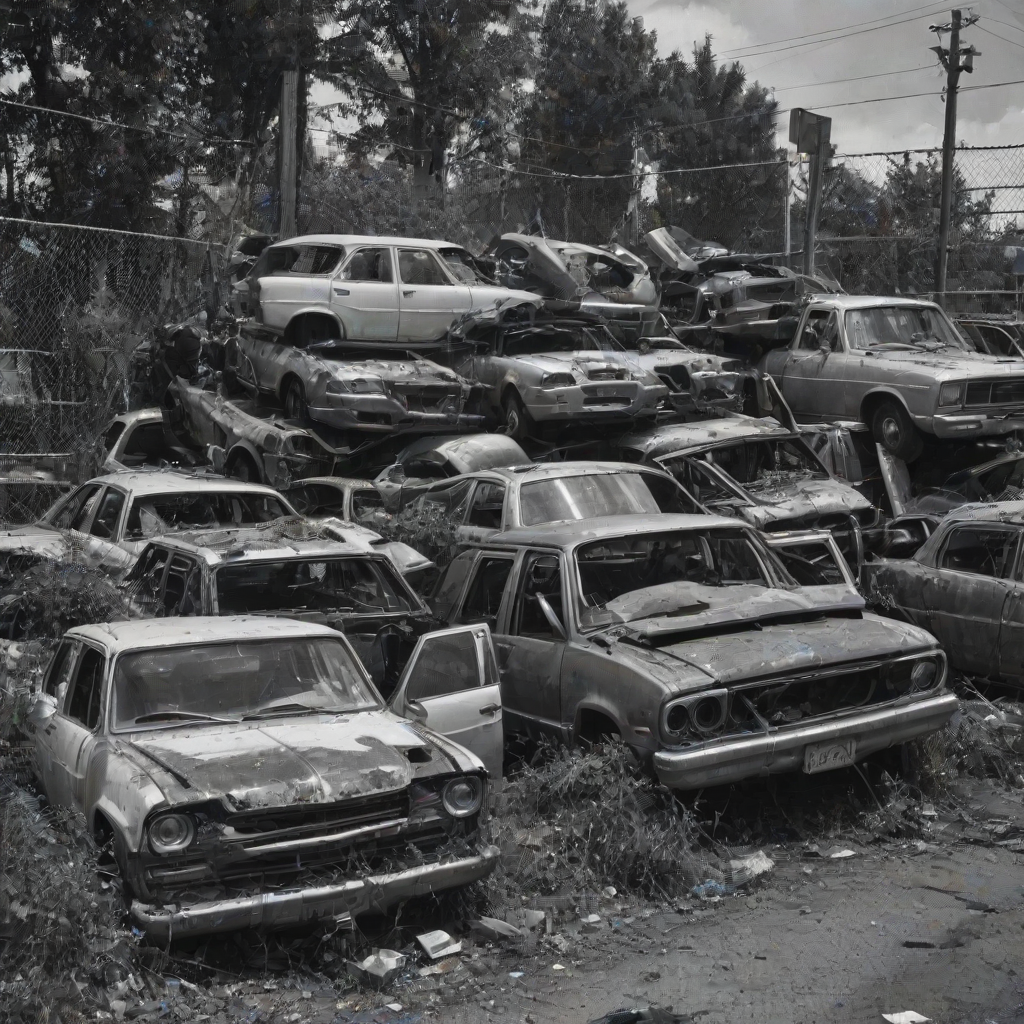
You walk into the junkyard and everything has already been thrown away once. Every object in the junkyard had a life before this one. The washing machine worked until it did not. The car ran until it stopped. The refrigerator kept things cold for twenty years and then one Tuesday it got warm inside and somebody called a truck and the truck brought it here. The junkyard is not a graveyard. The graveyard is final. The junkyard is a waiting room. Everything in the junkyard is waiting for someone to see it differently than the last person who owned it.
Simon Rodia spent thirty three years building the Watts Towers in Los Angeles out of broken bottles and pottery shards and steel pipes and bed frames and seashells he found in the neighborhood. He did not have a plan. He did not have an education in architecture or engineering. He had a pair of pliers and a window screen he used to bend rebar and he built towers that are ninety nine feet tall out of materials that everyone else called garbage. The city tried to tear them down in nineteen fifty nine because the city said they were unsafe. They pulled them with a crane and the towers did not move. The garbage was stronger than the building code.
Tom Waits recorded albums using junkyard percussion because he said the sound of real things breaking is more honest than the sound of expensive things being played correctly. He banged on hubcaps and dragged chains across concrete and dropped brake drums on the floor and called it music and he was right. The junkyard gave him a sound that no music store could sell. The sound of a hubcap is the sound of every car that hubcap ever rode on. The sound carries the miles. A snare drum has no miles on it. A snare drum comes out of a box. A hubcap comes out of a life.
In Heidelberg Street in Detroit Tyree Guyton took the abandoned houses on his block and covered them in polka dots and stuffed animals and shoes and vacuum cleaners and anything else that people had thrown away. The city called it blight. The art world called it a masterpiece. The neighbors called it home. Guyton understood that the difference between trash and art is not the material. The difference is the decision. Somebody decided that this shoe is finished. Somebody else decided that this shoe is a statement. The object did not change. The frame changed. The junkyard is full of objects waiting for someone to change the frame.
You stand in the junkyard and the sun hits a chrome bumper and for a second the bumper is the most beautiful thing you have ever seen. The junkyard is full of moments like that. Moments where the light finds something that everybody forgot about and reminds you that forgetting is not the same as finishing. The junkyard does not judge what it holds. The junkyard holds everything equally. The piano with no keys and the bicycle with no wheels and the television that shows nothing. They are all the same in the junkyard. They are all waiting. The junkyard is the most patient place in the city because the junkyard knows that everything gets a second chance if it waits long enough.