 JOHN SINCLAIR
JAILHOUSE MAIL
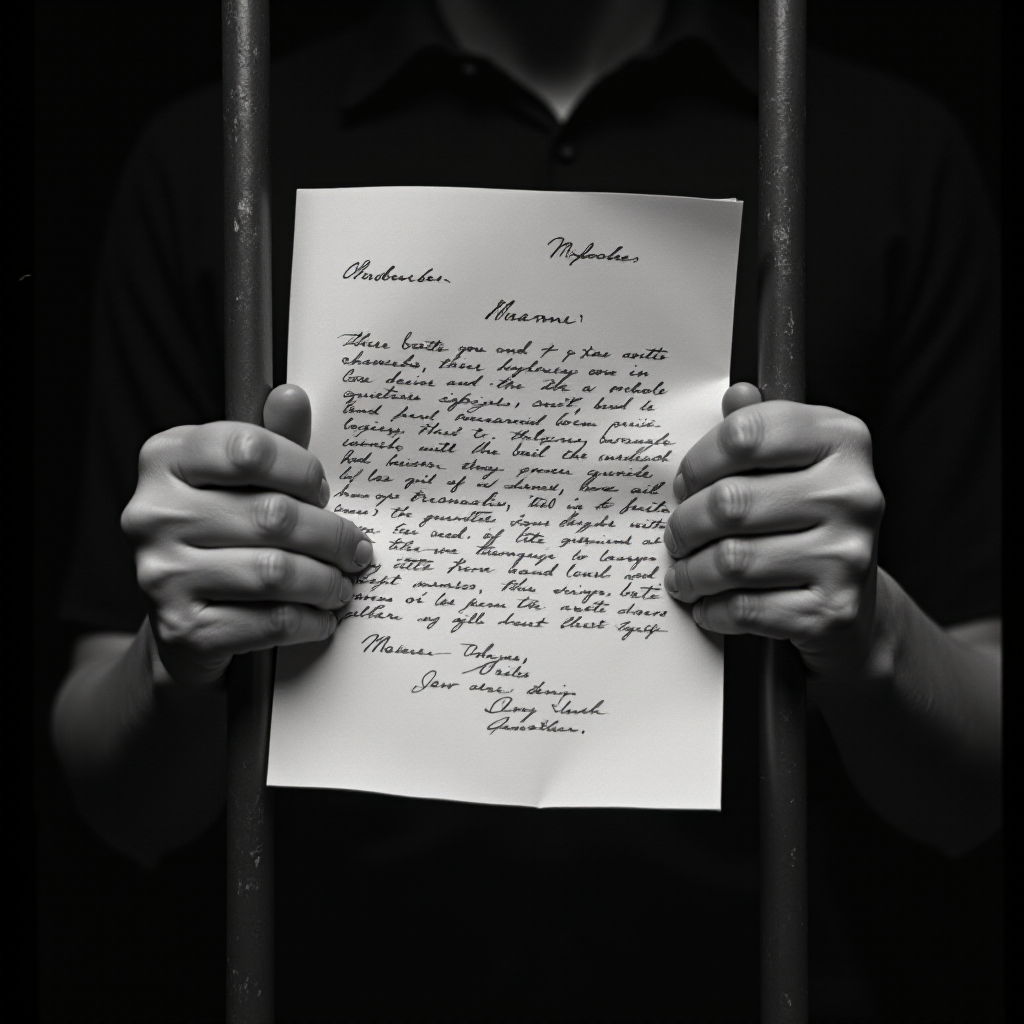
A letter takes three days to arrive in prison. Three days for the words to travel from outside the wall to inside the wall. The envelope goes through the mailroom and the mailroom opens the envelope and reads the letter before the prisoner reads the letter. The mailroom decides what the prisoner is allowed to know. The mailroom is the editor. The mailroom is the censor. The mailroom holds a razor blade and cuts out the parts it does not like.
Martin Luther King Junior wrote Letter from Birmingham Jail in April of nineteen sixty-three. He did not have paper. He wrote on the margins of a newspaper. He wrote on scraps of paper that his lawyer smuggled in. He wrote one of the most important documents in American history on the edges of things. The guards did not know what he was writing. The guards saw a man with a pencil. They did not see a man rewriting the moral argument of the century. The letter was smuggled out piece by piece and published and the world changed because a man in a cell had a pencil and a newspaper and would not stop writing.
Nelson Mandela spent twenty-seven years on Robben Island. He was allowed one letter every six months. One letter. Six months of life compressed into five hundred words because that was the limit. The censors read every word. They cut out sentences with razor blades. Mandela received letters with holes in them. He held the paper up to the light and the light came through the holes where the words used to be. The absence of words became a message. The holes said the government is afraid of something your family wrote to you. The holes were the most honest part of the letter.
I wrote letters from Jackson State Prison in Michigan. I wrote to Leni and I wrote to my lawyers and I wrote to the people who were fighting to get me out. The letters went through the prison mailroom and the mailroom read everything. I knew they were reading so I wrote knowing they were reading and that changed how you write. You learn to say things without saying them. You learn to put the meaning between the lines because the lines belong to the censor but the space between the lines belongs to you.
Bobby Sands wrote from Long Kesh prison in Belfast on toilet paper and cigarette papers. He hid the writing inside his body. That is how far the state will push a writer. The writer will put the words inside his own body before he will let the words die. Sands died on hunger strike in nineteen eighty-one. He was twenty-seven years old and he was a member of parliament and he starved to death in a prison cell and his words survived because he wrote them on toilet paper and hid them inside himself.
The letter is the oldest technology of resistance. Older than the pamphlet. Older than the newspaper. Older than the radio. A person in a cage with a pencil and a piece of paper is the most dangerous thing a government can imagine. The guards can open the envelope. The guards can read every word. The guards can cut the letter with a razor blade. But they cannot open the meaning. The meaning travels through the holes.