 JOHN SINCLAIR
IRONWORKS
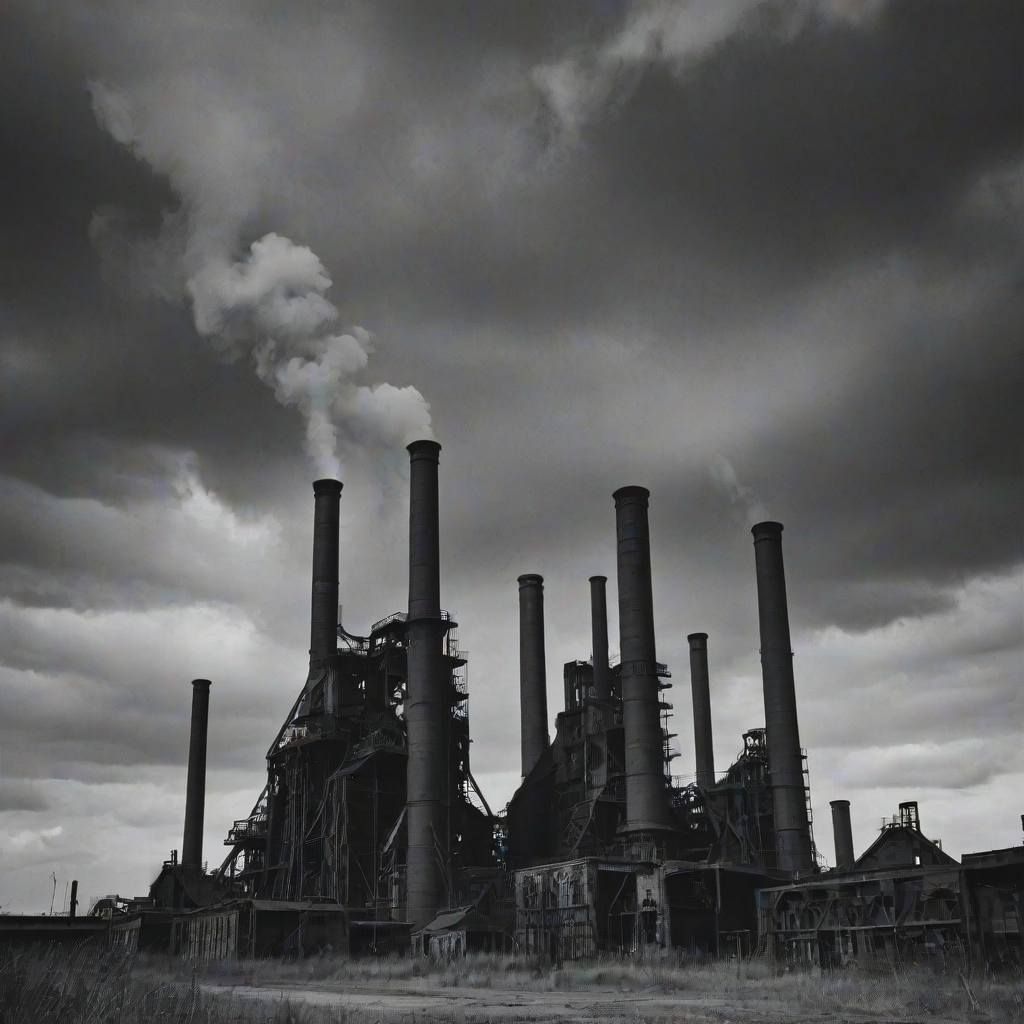
You stand in the ironworks and the ironworks is the building where the raw becomes the refined. The ore goes in. The iron comes out. The ore is rock and the iron is metal and the rock becoming the metal is the transformation that made civilization possible. Before the ironworks there was the forge and before the forge there was the campfire and the campfire that melted the first nugget of iron from the rock was the beginning of everything that is not stone or wood. The ironworks scaled the forge. The ironworks took what one blacksmith could do and made it industrial and the making it industrial changed the world from handmade to manufactured.
The Sloss Furnaces in Birmingham Alabama ran for ninety years from eighteen eighty two to nineteen seventy one and the running for ninety years made Birmingham the Pittsburgh of the South. Birmingham sat on top of the only place in the world where the three ingredients for making iron — coal and iron ore and limestone — were found within a few miles of each other and the found within a few miles meant the ironworks did not need a railroad to bring the materials. The materials were under the city. The Sloss Furnaces produced pig iron and the pig iron was the crude iron that other furnaces refined into steel and the refining into steel was the second step but Sloss was the first step and the first step was the fire. The workers at Sloss were mostly Black men and the mostly Black men worked in the heat of the furnace because the heat of the furnace was the job the South gave to Black men and the giving the heat to Black men was the economy of Birmingham.
The ironworks at Coalbrookdale in Shropshire England cast the first iron bridge in seventeen seventy nine and the first iron bridge changed what was possible to build. Abraham Darby had been smelting iron with coke instead of charcoal at Coalbrookdale since seventeen oh nine and the smelting with coke made iron cheap and the making iron cheap made the Industrial Revolution possible. The Iron Bridge still stands over the River Severn and the still standing is two hundred and forty five years of standing and the two hundred and forty five years of standing is the proof that iron endures. The bridge is a single arch of cast iron and the single arch spans one hundred feet and the hundred feet was the longest span in the world in seventeen seventy nine. The ironworks at Coalbrookdale is where the modern world began. The coke furnace at Coalbrookdale made iron cheap and cheap iron made machines possible and machines made factories possible and factories made cities possible and cities made us.
In the Catalan forge tradition the ironworks was small and the small meant one or two men and a waterwheel and the waterwheel powered the bellows and the bellows fed the fire and the fire melted the ore and the melted ore became wrought iron. The Catalan forge produced iron for a thousand years before the blast furnace replaced it. In Sweden the bruk was the ironworks village and the village existed because the ironworks existed and the ironworks existed because the forest provided charcoal and the river provided water power and the mountain provided ore. The bruk at Engelsberg is a World Heritage Site now and the World Heritage Site is the world recognizing that the ironworks village was the birthplace of Swedish industry and Swedish industry built Volvo and IKEA and everything else.
You look at the ironworks and the ironworks is silent now. The blast furnaces are cold. The pig beds where the molten iron was poured are covered in rust and the covered in rust is the iron returning to the state the ironworks rescued it from. The ironworks pulled the iron from the ore and the ore was rust and the rust is what the iron becomes when the ironworks stops. The cycle. The ore is red with iron oxide. The furnace strips the oxygen. The iron is gray and pure. The iron rusts. The iron becomes red again. The ironworks interrupts the cycle. The ironworks holds the iron in its refined state for as long as the iron is needed and the as long as it is needed is a bridge or a building or a rail. The ironworks. The fire that refines. The furnace that separates. The building where rock becomes metal. The beginning. The heat. The pour. The iron. Red to gray to red again.