 DAVID PEEL
Hitching Post
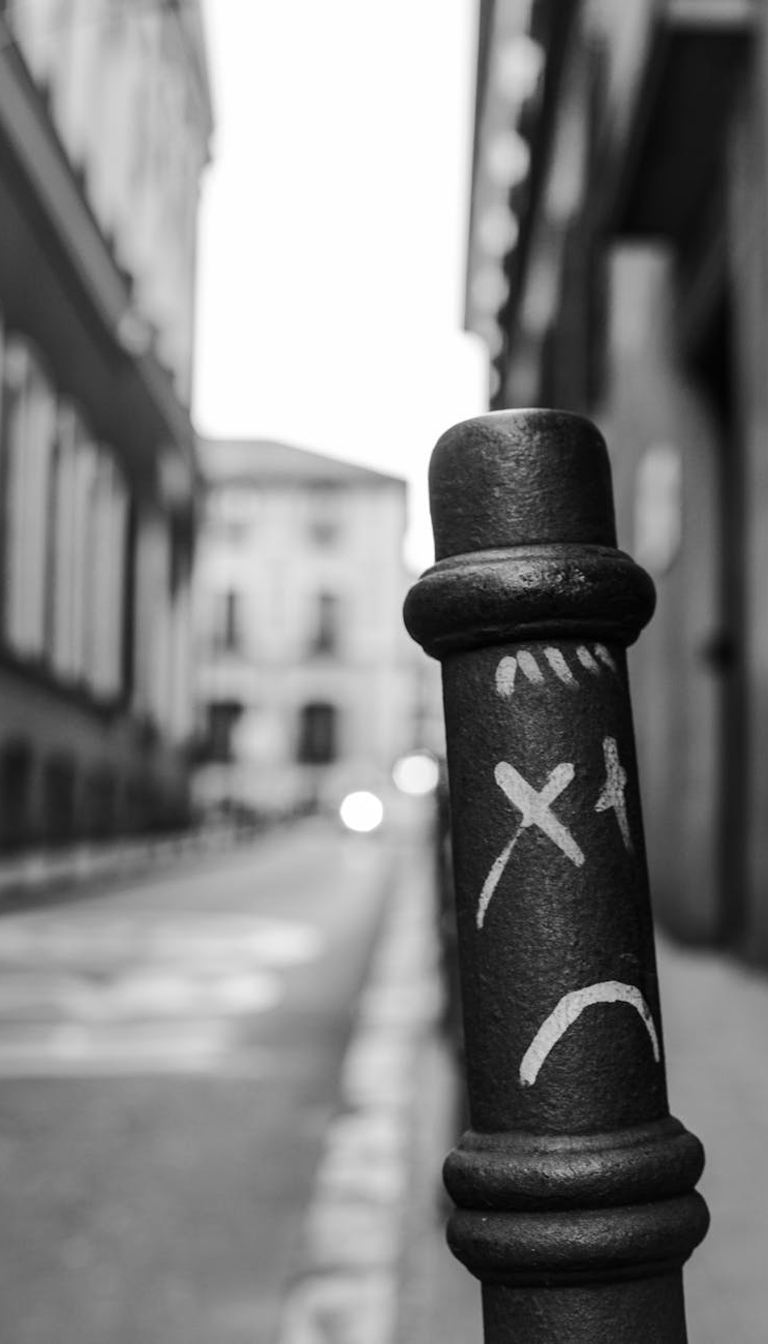
The hitching post was a short iron or stone pillar at the edge of the sidewalk with a ring at the top. You tied your horse to it. That was the function. The hitching post was the parking meter of 1890. The hitching post said this is where you stop. This is where the horse waits. This is the boundary between motion and standing still.
There were thirty thousand horses in Manhattan at the turn of the century. Thirty thousand horses needed thirty thousand places to stand. The hitching post was on every block. In front of every store. In front of every church. In front of every saloon. The horse stood at the hitching post and waited and the flies gathered and the horse stamped its hooves and the children brought it sugar and the hitching post held it in place.
The hitching post was carved. Stone. Some of them were shaped like horse heads. Some had fluted columns. Some were plain iron posts with a ring. The fancy hitching posts were in front of the fancy houses. The plain hitching posts were in front of the tenements. You could tell the wealth of the block by the hitching posts. The hitching post was the first piece of street furniture that said who lives here.
The automobile arrived and the horse left and the hitching post stayed. Nobody removed them. They were set in stone. Literally. Set in the foundation of the sidewalk. The city paved around them. The hitching post stood on the sidewalk with nothing to hold. An anchor with no ship. A hand with no rope. The hitching post is still there on some blocks in the Village. Nobody knows what it is.
A kid on MacDougal Street chained his bicycle to a hitching post. That is what the hitching post is now. A bike rack. A thing designed for an animal became a thing used by a machine. The hitching post does not care. The hitching post was built to hold whatever needed holding. The horse is gone. The bicycle is here. The hitching post does not judge the century.
See also: Horse Trough, Cobblestone