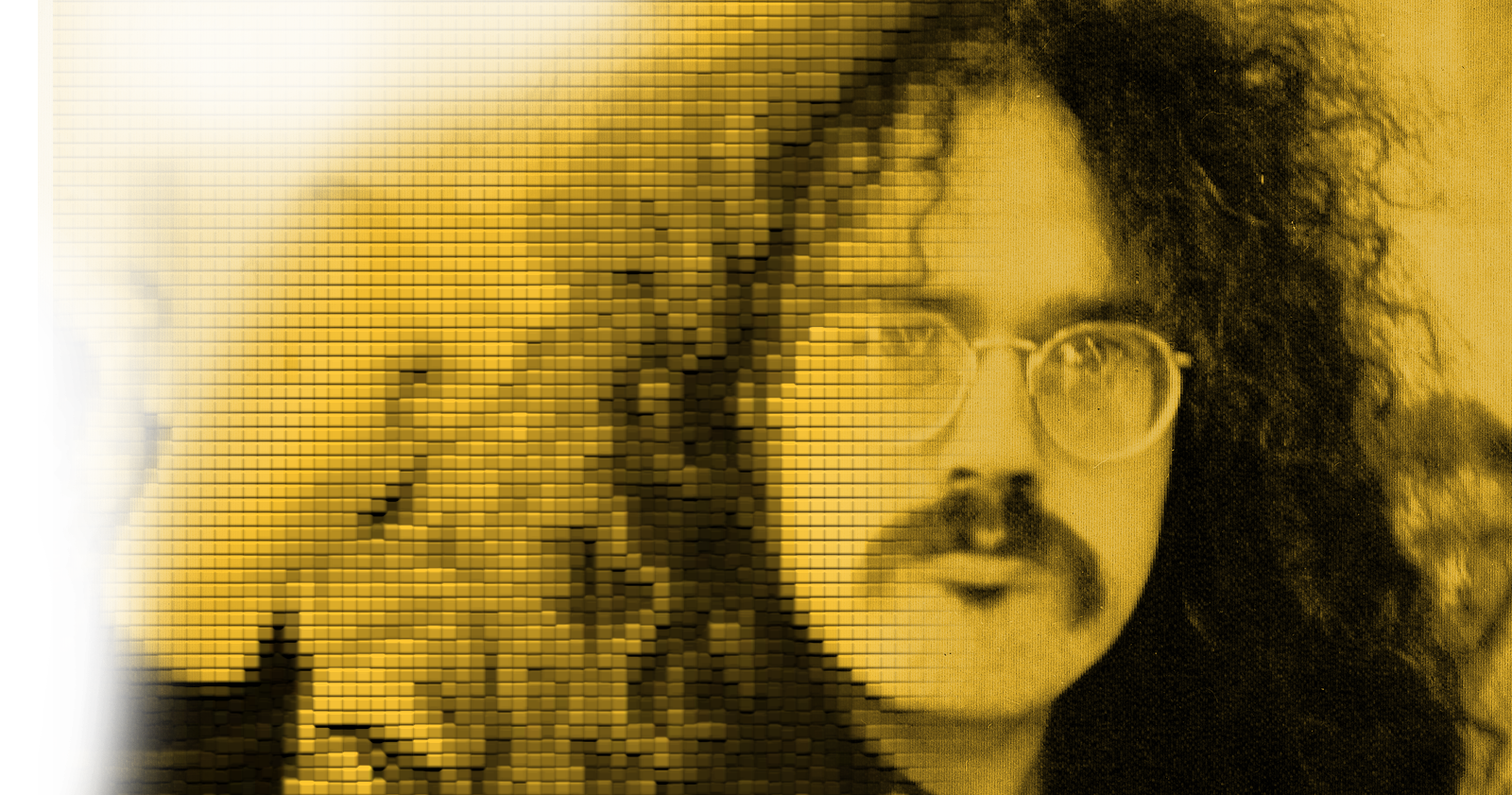
 JOHN SINCLAIR
GUITAR ARMY
You open Guitar Army and the book opens you back. John Sinclair wrote it in nineteen seventy two and the writing in nineteen seventy two means the book was written while the revolution was still happening. The ink was still wet on the posters. The tear gas was still in the air. Guitar Army is not a memoir because a memoir looks backward and Guitar Army looks forward and sideways and up. Guitar Army is a manual. Guitar Army is a map of what the counterculture was trying to build and the map includes the streets and the stages and the jail cells and the courtrooms and the newspaper offices and the communal houses where people were trying to live a different way.
The MC5 are at the center of the book because the MC5 were at the center of the movement. The MC5 played the Grande Ballroom in Detroit and the playing the Grande Ballroom was not entertainment. The MC5 played like the building was on fire and the audience played like the building was on fire and the building was on fire. Sinclair managed the MC5 and the managing the MC5 meant Sinclair stood between the music and the system. The music was loud and free and dangerous and the system wanted the music quiet and contained and safe. Kick Out the Jams is the sound of that collision. The MC5 opened for the Democratic Convention in Chicago in nineteen sixty eight and the opening for the convention meant the MC5 played in the park while the police beat the protestors in the street. The music and the violence were simultaneous. That was Sinclair's point. The music and the politics were simultaneous. You could not separate them. Guitar Army says you should not try.
The White Panther Party manifesto is in the book and the manifesto is ten points and the ten points include a demand for the total assault on the culture by any means necessary including rock and roll. The White Panthers were not the Black Panthers but the White Panthers supported the Black Panthers and the supporting the Black Panthers meant the FBI watched both. Sinclair founded the White Panthers in nineteen sixty eight in Ann Arbor and the founding in Ann Arbor meant the party operated from a college town which gave it the energy of the campus and the paranoia of a small city where everyone knew where the communal house was. The party became the Rainbow People's Party in nineteen seventy one because the name White Panther had confused people about the party's relationship to race and the confusion about race was a problem Sinclair wanted to solve by making the name about all people.
Two and a half years in prison for two joints. Sinclair was sentenced to nine and a half to ten years in nineteen sixty nine for giving two marijuana cigarettes to an undercover officer and the giving two cigarettes to an undercover officer was the crime and the nine and a half to ten years was the sentence and the disproportion between the crime and the sentence was the injustice that Guitar Army documents. The judge said he was sentencing a threat to society. The threat was a man who believed marijuana should be legal and music should be free and the government should answer to the people. John Lennon played the Free John rally in Ann Arbor on December tenth nineteen seventy one and the playing the Free John rally put international pressure on Michigan and three days later the Michigan Supreme Court released Sinclair. Guitar Army was written partly in prison and the writing partly in prison means the book has the clarity that comes from sitting in a cell with nothing to do but think about what you believe.
You close Guitar Army and the book stays open in your head. The manifesto stays. The MC5 stay. The courtroom stays. The communal house stays. The prison stays. The book is not nostalgic because nostalgia softens the edges and Guitar Army does not soften anything. The book says what it says. The music is the revolution. The revolution is the music. The guitar is a weapon and the army is anyone who picks one up. Sinclair believed this. Sinclair went to prison for believing this. Guitar Army is the document. Guitar Army is the evidence. The book is fifty years old and the fifty years has not made it irrelevant because the questions the book asks — who controls the culture and who profits from the culture and who goes to prison for the culture — are the same questions being asked right now in different rooms by different people holding different guitars. The army is still out there. The book is the proof.