 DAVID PEEL
Gaslight
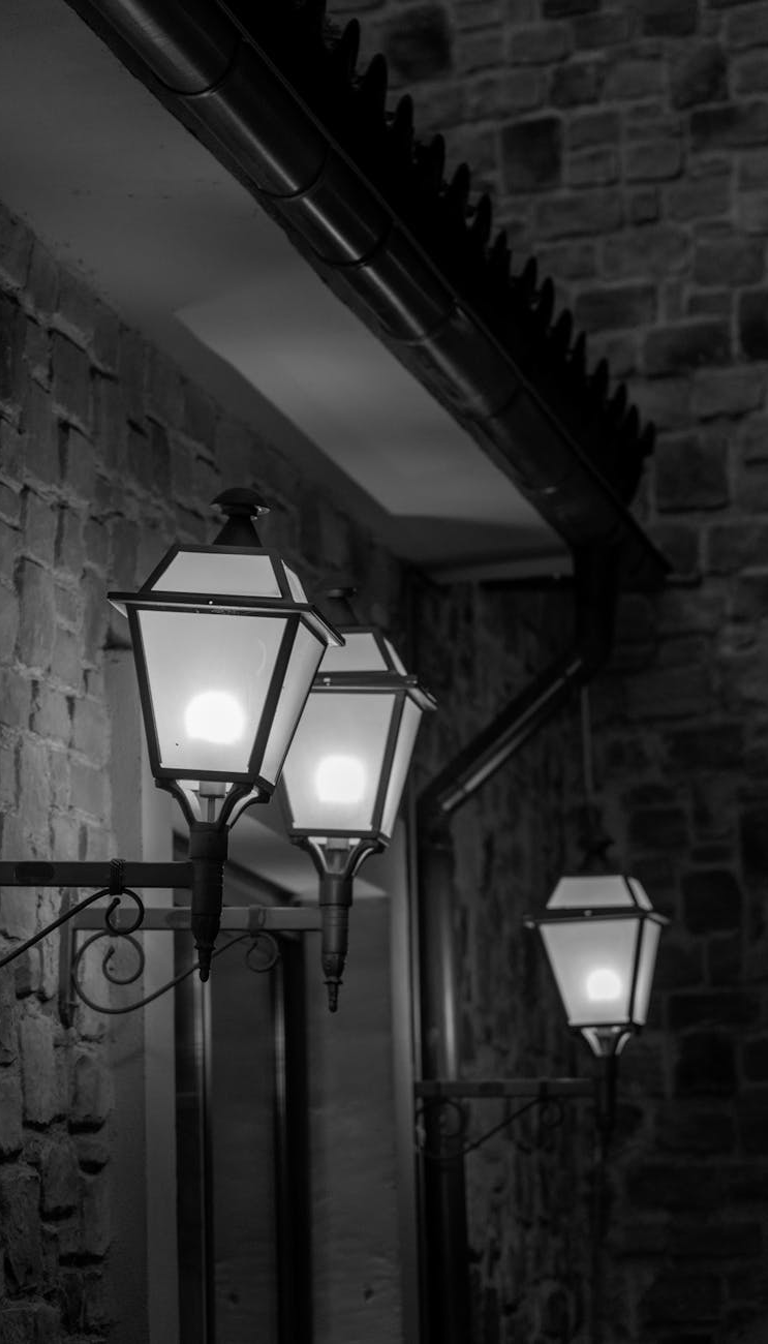
The gaslight was the first thing that made the city visible after dark. Before electricity. Before neon. Before the screen in your pocket. The gaslight was a flame behind glass on a cast iron post and it burned all night and the lamplighter came at dusk and lit it with a long pole and at dawn he came back and turned it off. The gaslight was the city's first employee. It worked the night shift.
The lamplighter carried a pole with a hook and a flame. He walked from post to post and reached up and opened the valve and touched the flame to the gas and the light came on. One man lit an entire street. The lamplighter knew the route the way a milkman knew the route. First post at the corner. Last post at the end of the block. The lamplighter was the opening act. He set the stage for the night. Everything that happened after dark happened because the lamplighter came first.
The gaslight was not bright. It was a glow. The street under gaslight was amber and soft and the shadows were long and the faces of the people walking past were half lit and half dark. The gaslight was the most flattering light in the history of the city. Everybody looked better under gas. The electric streetlight killed the flattery. The electric light is bright and white and it shows everything. The gaslight showed you what it wanted you to see. The gaslight was an artist. The electric light is a journalist.
I played guitar under a gaslight in Greenwich Village in 1967. The last gaslights in the city were in the Village and they were there because the Village wanted them and the city let the Village have them because the Village always got what it wanted. The gaslight made the street look like a painting. The guitar sounded different under gas. The notes were warmer. The audience was softer. The gaslight did not just light the street. It lit the mood.
There are still gaslights in the Village. A few. On Washington Square North and on a stretch of Patchin Place. The city maintains them as historical artifacts. Historical artifacts are things the city keeps to remind itself of what it destroyed everywhere else. The gaslight is a museum piece on a living street. The people walk past it and they do not know it is gas. They think it is electric with a warm bulb. Nobody looks up at the light. Nobody wonders who lit it. The lamplighter is gone. The flame is still there. Nobody notices.
See also: Streetlight, Telegraph Pole