 DAVID PEEL
Gas Lamp
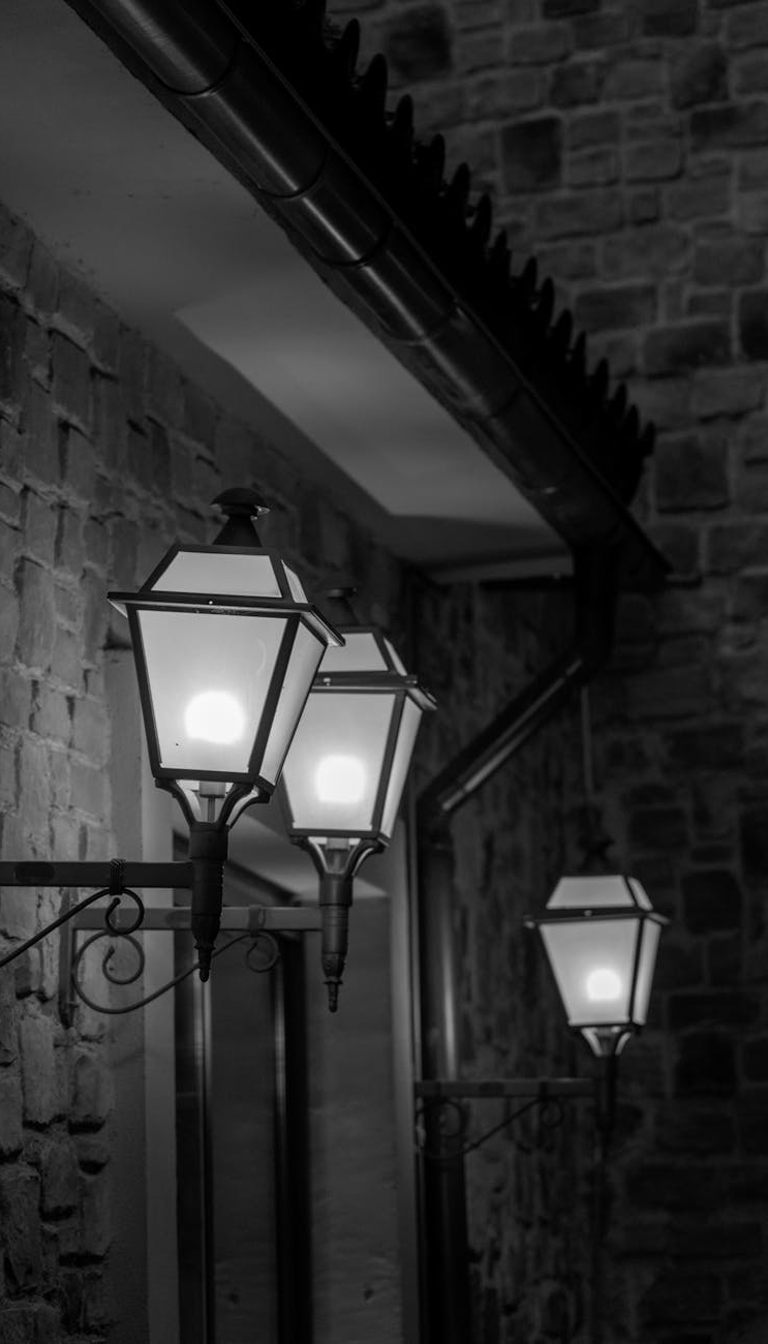
The gas lamp was the first public light. Before the gas lamp the city was dark and people carried lanterns and the night belonged to whoever had a flame. The gas lamp democratized the night. The gas lamp said the street belongs to everybody after the sun goes down. The lamplighter came at dusk with a long pole and lit the lamps one at a time and the city turned on in sequence like a slow dawn in reverse.
The gas lamp had a quality the electric light does not have. The gas lamp flickered. The light moved. The light breathed. The shadows under the gas lamp were soft and the shadows moved with the flame and everything under the gas lamp looked alive. The electric streetlight does not flicker. The electric light is constant. The shadows are hard. Nothing moves under the electric light except the people and the people look flat.
I walked under gas lamps on the Bowery in 1964. The last gas lamps in Manhattan. The light was yellow and warm and the street looked like a painting by somebody who understood that darkness is not the absence of light. Darkness is the other half of the conversation. The gas lamp understood the conversation. The gas lamp gave you enough light to see and enough darkness to imagine. The electric light gives you everything and leaves nothing to imagine.
The lamplighter had a route. Every evening he walked the same blocks and lit the same lamps in the same order and the city woke up one light at a time. The electric light has a switch. One switch and the whole block is lit. The lamplighter took thirty minutes to light one block. The switch takes one second. The lamplighter gave the city thirty minutes of transition between day and night. The switch gives the city no transition at all. Day to night. Dark to light. On or off. The gas lamp understood that there was something in between.
See also: Cobblestone, Rooftop Antenna