 JOHN SINCLAIR
FRONT PORCH
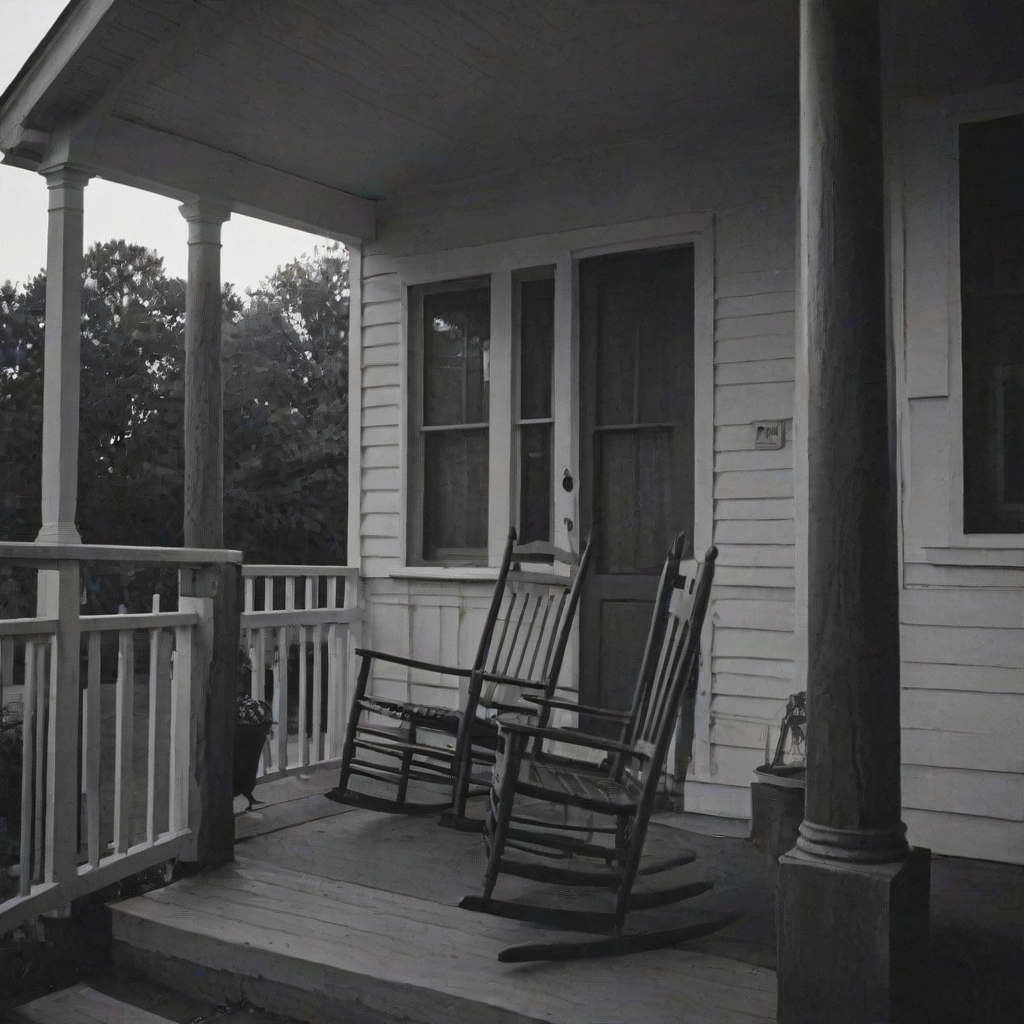
You sit on the front porch and you see everything. You see who is walking to work and who is walking home and who is walking nowhere in particular. You see the mail carrier and the stray cat and the kid on the bicycle who takes the corner too fast every single day. The porch is not inside and not outside. The porch is the space between your house and the world and from that space you can see both.
Langston Hughes wrote poems on the porch in Harlem and the porch was the stage. The neighbors were the audience. The street was the theater. Hughes did not need a publishing house to publish a poem on the porch. He just needed a chair and a pencil and somebody walking by who would stop and listen. The porch turned a private act into a public one without anyone having to buy a ticket. The best poetry reading in Harlem was free and it happened every evening between dinner and dark.
Muddy Waters played guitar on the porch in Clarksdale Mississippi before he went to Chicago and plugged in and changed everything. The porch was the first stage. The Delta blues started on porches and in juke joints and the difference between the two was that the porch was free and the juke joint cost a nickel. Robert Johnson played on porches. Son House played on porches. The entire history of American music can be traced back to somebody sitting on a porch with a guitar and playing for whoever happened to be walking past. The music did not wait for a venue. The music made its own venue out of wood and nails and a view of the street.
On Hill Street in Ann Arbor the porch was the office. The White Panther Party ran itself from porches and living rooms and kitchen tables. Sinclair sat on the porch and planned the next issue of the paper and the next benefit concert and the next confrontation with the university administration. The porch was where you could see who was coming. The porch was where you could see the police car before it stopped. The porch was surveillance and community and music and politics all at once because the porch does not separate things the way a building does. The porch holds everything together by refusing to be a wall.
You sit on the porch and the sun goes down and the streetlight comes on and the neighborhood changes from a place you see to a place you hear. The screen door behind you and the sidewalk in front of you and you are balanced between the two. The porch is the oldest social network. No password. No algorithm. No terms of service. Just a chair and a view and the willingness to say hello to whoever walks by. The porch does not scale. The porch does not need to scale. The porch works because it is small enough to hold a conversation and wide enough to hold a community and that is exactly the right size for anything that matters.