 JOHN SINCLAIR
FREIGHT ELEVATOR
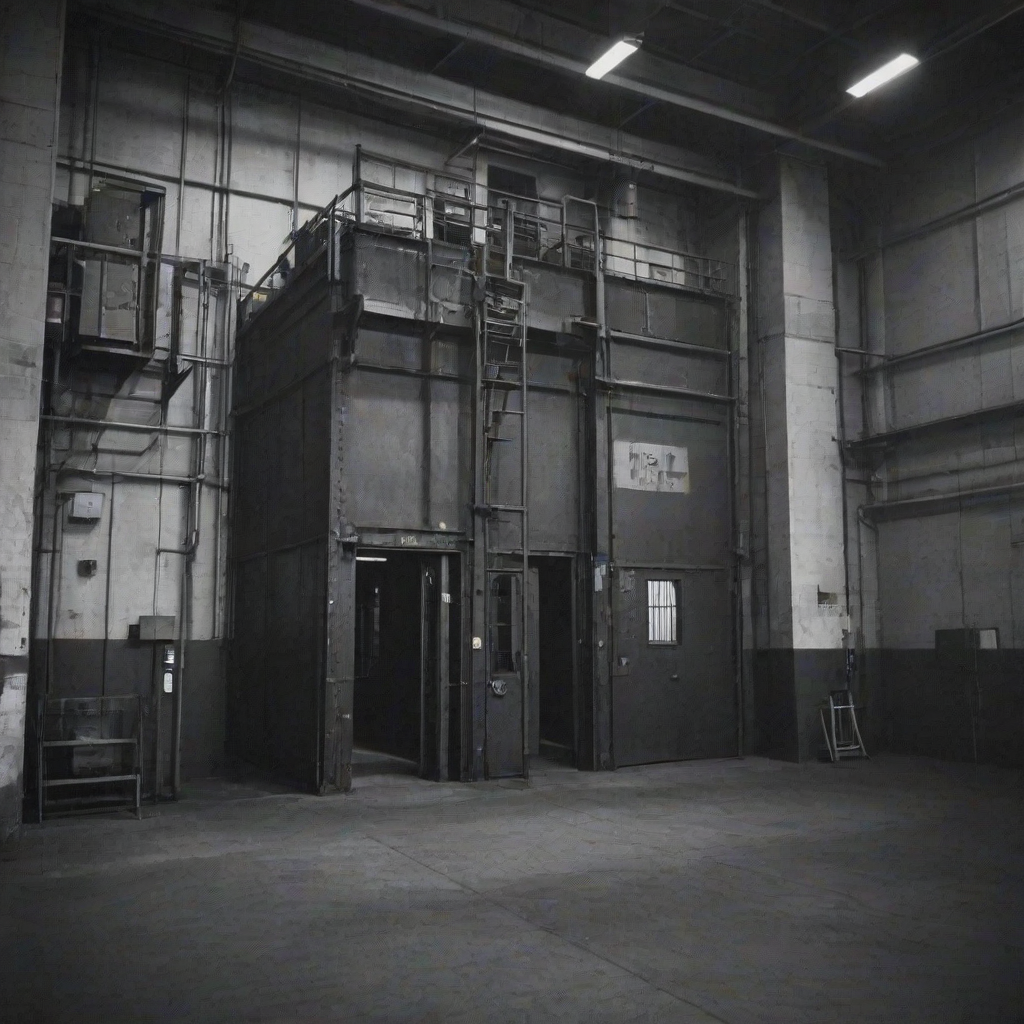
You ride the freight elevator and the freight elevator is the machine that made the skyscraper possible. The freight elevator is a platform in a shaft and the platform rises and the platform falls and the rising and falling is the vertical transportation that changed cities from horizontal to vertical. Before the elevator a building could be five stories tall because five stories was the most a person would climb. After the elevator a building could be fifty stories tall because the elevator climbed for you. The freight elevator came first. The passenger elevator came second. The freight elevator lifted cargo before it lifted people because people were afraid of the rope breaking and the afraid of the rope breaking was rational because the rope did break and the breaking meant everything on the platform fell.
Elisha Otis demonstrated the safety elevator at the Crystal Palace in New York in eighteen fifty four by cutting the rope while he stood on the platform. The platform dropped a few inches and stopped. The crowd gasped. Otis said all safe gentlemen all safe. The safety mechanism was a spring-loaded pawl that caught the guide rails when the tension on the rope released. The pawl was the invention. The pawl was the difference between falling and not falling. The demonstration at the Crystal Palace was theater but the theater sold elevators and the selling elevators changed architecture. The Haughwout Building on Broadway installed the first commercial Otis elevator in eighteen fifty seven. Five stories. The elevator was steam powered. The elevator was slow. But the elevator worked and the working meant the top floor was now as valuable as the ground floor and the top floor being as valuable as the ground floor inverted the economics of height.
The freight elevators at the Ford Rouge plant moved ten thousand tons of material a day between floors. The Rouge was the largest industrial complex in the world and the largest in the world meant the factory had multiple stories and the multiple stories meant materials had to go up and down as well as across. The iron came in at the river level. The iron went up to the furnace floor. The steel went up to the rolling mill. The sheet went across to the stamping plant. The freight elevator was the vertical artery. The conveyor was the horizontal artery. Together the elevator and the conveyor moved everything and the moving everything was the assembly line in three dimensions. Henry Ford did not invent the freight elevator but Ford used more freight elevators than anyone else and the using more than anyone else was the scale.
In the garment district of New York the freight elevator was the center of the building. The loft buildings on Seventh Avenue had freight elevators that carried bolts of fabric up and finished garments down. The elevator man opened the gate. The racks of dresses rolled on. The elevator rose. The racks rolled off. The Triangle Shirtwaist Factory occupied the eighth ninth and tenth floors of the Asch Building and the occupying the eighth ninth and tenth floors meant the workers depended on the elevator to get out. On March twenty fifth nineteen eleven the fire started on the eighth floor and the freight elevator made a few trips carrying workers down but the heat buckled the shaft and the buckling the shaft meant the elevator stopped and the stopping meant the workers on the ninth floor could not get down. The fire escape collapsed. The doors were locked. A hundred and forty six workers died. The freight elevator that carried them up every morning could not carry them down on the day they needed it most.
You ride the freight elevator and the gate closes and the platform shudders and the shuddering is the motor engaging and the motor engaging is the weight being lifted. The freight elevator is honest. The freight elevator does not pretend to be elegant. The freight elevator has no mirror and no music and no carpet. The freight elevator has a steel floor and a steel gate and a button that says UP and a button that says DOWN. The freight elevator. The platform in the shaft. The Otis pawl. The Rouge ten thousand tons. The garment district lofts. The machine that made the skyscraper possible. The machine that turned flat into tall. The gate opens. You step out. The elevator descends empty. The freight elevator carries. That is all it does. That is enough.