 DAVID PEEL
Floorboard
The floorboard was a plank laid across the joists. Tongue and groove. The tongue of one board slid into the groove of the next and the two boards became one floor. The joint was invisible from above. You walked on a surface that looked continuous but was actually a hundred separate pieces holding each other in place. The floor was a community pretending to be a single thing. Every neighborhood works the same way.
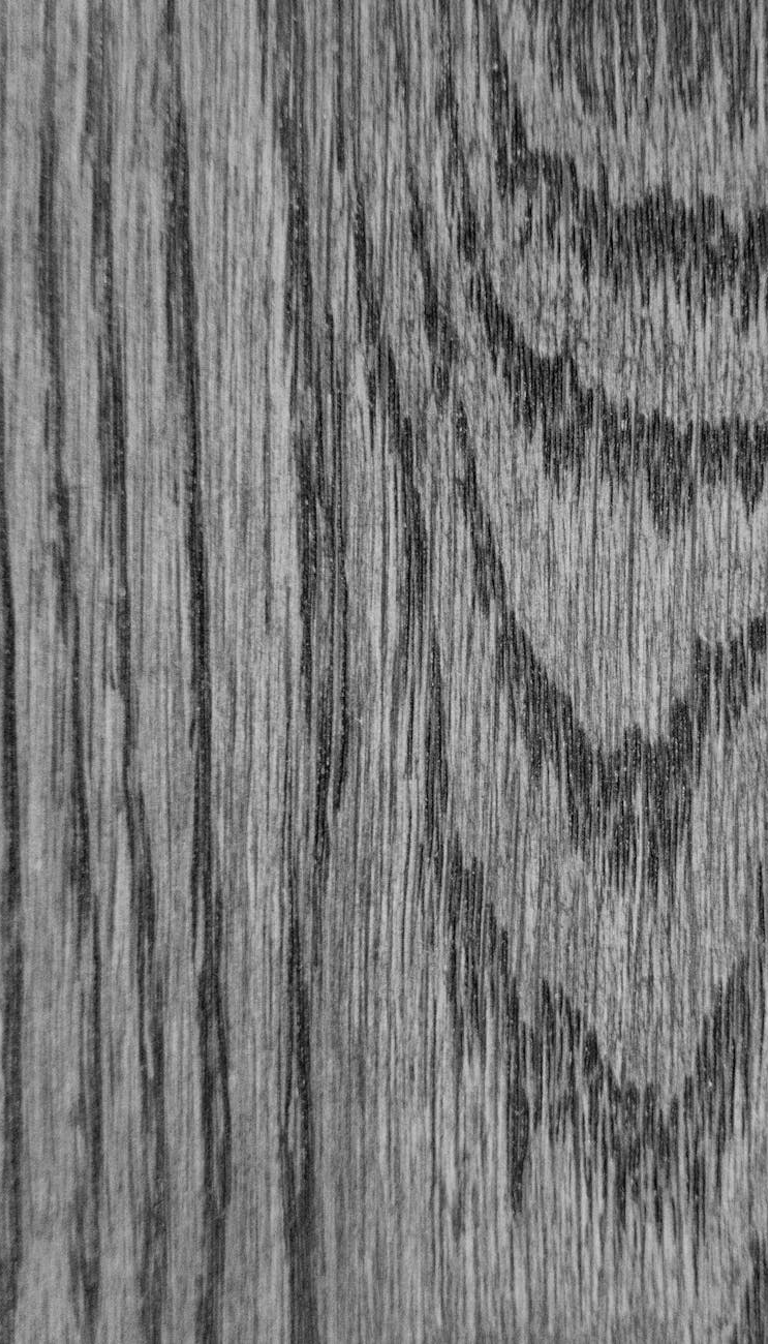
The floorboard was oak or pine or maple depending on who was paying. Oak for the parlor where the guests could see it. Pine for the bedroom where only the family walked. Maple for the kitchen where the flour fell and the water spilled and the maple did not care because maple is harder than vanity. The wood told you who lived where and who they were trying to impress. The parlor lied. The kitchen told the truth.
The floorboard squeaked. The squeak was not a defect. The squeak was a report. The squeak said the nail has loosened. The squeak said the joist has shrunk. The squeak said somebody is walking in the hallway at two in the morning and the floor is telling you about it. The floor was the first alarm system. You could not sneak across a floor that knew you. The modern subfloor is glued and screwed and silent and you do not know who is in the hallway until they are standing in your doorway.
The carpenter face-nailed the first floorboards. Drove the nail straight through the face of the board into the joist. You could see the nails. Then somebody decided the nails were ugly and the carpenter learned to blind-nail through the tongue at an angle so the next board groove hid the nail head. The nail disappeared. The work disappeared. The carpenter skill increased and the evidence of the carpenter skill decreased. The better the work the less you see it.
Nobody lays floorboards anymore. They click laminate into place like a puzzle. The laminate is a photograph of wood printed on fiberboard. A photograph of wood is not wood. A photograph of wood does not age. A photograph of wood does not develop a patina from sixty years of footsteps wearing a path from the bedroom to the kitchen. The path was the family story written in the grain. The laminate has no grain. The laminate has no story. The laminate is new on the day you move in and new on the day you move out and newness is not a quality. Newness is the absence of a quality.