 JOHN SINCLAIR
FIRE STATION
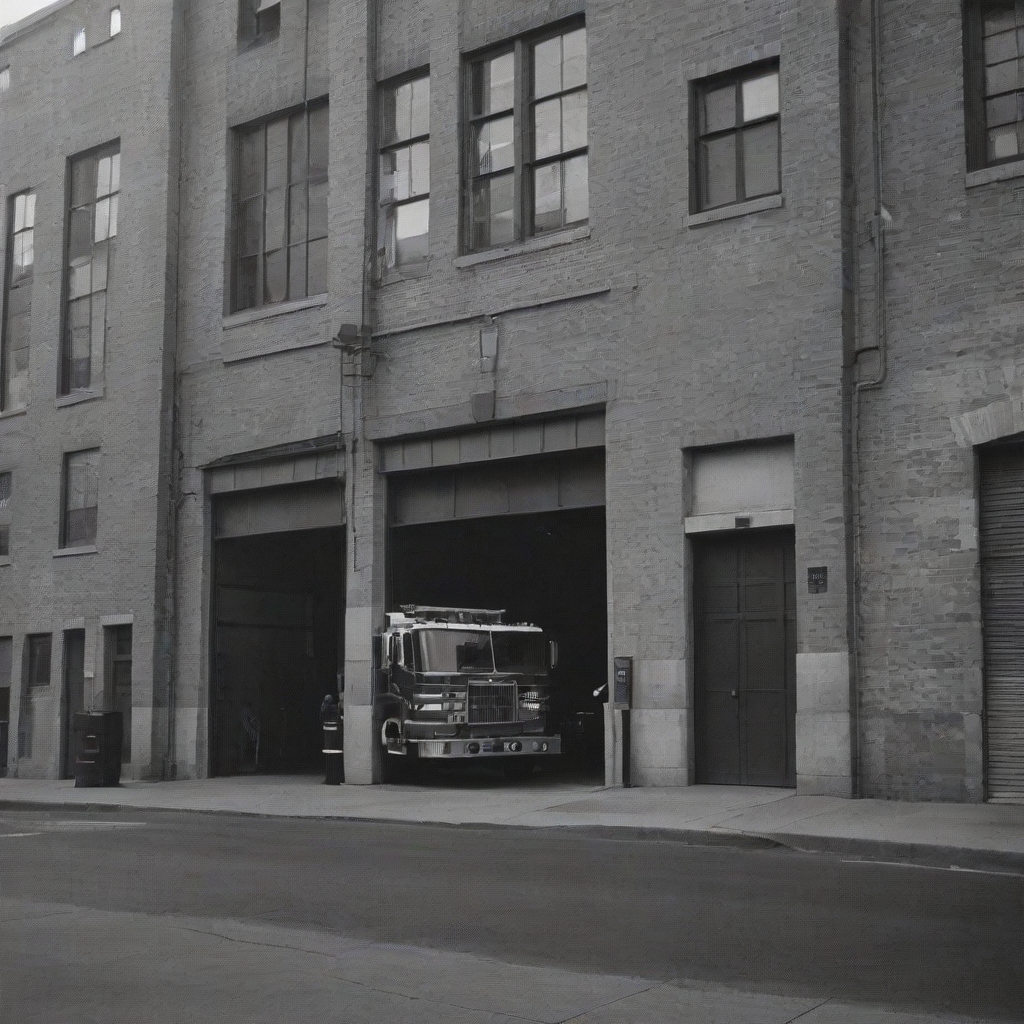
You pass the fire station and the doors are open and the truck is waiting and the waiting is the whole job. The fire station is the only building in the city that is always ready. The fire station does not close. The fire station does not take a day off. The fire station has beds upstairs and a kitchen and a pole and the pole is the fastest way down because the stairs are too slow when someone's house is on fire. The bell rings and the boots are on and the truck is rolling in sixty seconds and the sixty seconds is the difference between a house and a ruin and the firehouse knows this and the knowing is why the firehouse never sleeps.
Engine Company 82 Ladder Company 31 sat on Intervale Avenue in the South Bronx and during the nineteen seventies they ran more calls than any firehouse in the United States of America. The Bronx was burning. The landlords were burning their own buildings for insurance money and the fire department was catching the fires and the catching was a war they could not win because the fires came faster than the trucks. Dennis Smith was a firefighter at Engine 82 and he wrote a book called Report from Engine Co. 82 and the book told the country what the firehouse already knew. The city was on fire and the city did not care and the only people who cared were the people inside the firehouse and the people inside the burning buildings and sometimes those were the same people.
The firehouse architecture of America tells you everything about what a city valued when it was built. The Victorian firehouses had towers because the towers dried the hoses and the towers also said we are here. The towers were the first public architecture that was not a church and not a government building and the towers said the city protects you and the protection has a building and the building has a tower and the tower is the city watching over you. The art deco firehouses of the nineteen thirties had clean lines and brass poles and the brass was polished every day because the polishing was the discipline and the discipline was the job when there was no fire.
In Chicago after the Great Fire of eighteen seventy one the city built firehouses on every other block because the city had learned what a city without firehouses looks like. It looks like ash. It looks like forty miles of nothing where a city used to be. Three hundred people dead and a hundred thousand homeless and the homeless were not homeless because of poverty. The homeless were homeless because the fire moved faster than anyone could run and the running was all anyone could do. Chicago rebuilt with brick and stone and firehouses and the firehouses were the promise that the city made to itself. We will not burn again. The promise was architecture. The architecture was the firehouse.
You walk past the fire station at night and the lights are on and the truck is gleaming and someone is cooking dinner upstairs and the cooking is the domesticity and the domesticity is the strangest thing about the fire station. The fire station is a home for people who leave home to save homes. The firefighter eats dinner and watches television and sleeps in a bed and the bed is not his bed and the kitchen is not his kitchen but the firehouse is his house and the house is the thing he defends when the bell rings. The bell rings and the dinner is abandoned and the television is still playing and the bed is still warm and the warmth is the evidence that someone was here and the someone is now inside your burning building carrying your children down the stairs.