 JOHN SINCLAIR
FERRY TERMINAL
You stood at the edge of the land and the water was the barrier and the ferry was the answer. The ferry terminal was the building where the city ended and the journey began and the beginning was the gangplank and the gangplank was the bridge between solid ground and the faith that the boat would take you across. The ferry terminal smelled like salt water and creosote and engine oil and the combination was the smell of the in-between. You were not on land and you were not yet on water. You were in the terminal and the terminal was the waiting and the waiting was the democracy because everyone waited the same amount of time for the same boat.
Robert Fulton launched the first commercial steamboat ferry service between Manhattan and Brooklyn in eighteen fourteen and the launching was the connection that made Brooklyn possible as a bedroom community for people who worked in Manhattan. Before the ferry Brooklyn was a separate city across the water. After the ferry Brooklyn was twenty minutes away and the twenty minutes was the commute and the commute created the suburb before anyone called it a suburb. By eighteen sixty there were twelve ferry routes operating out of Manhattan and the twelve routes were the circulatory system of a city that was built on islands and the building on islands meant the ferry was not a luxury. The ferry was the infrastructure. The Hoboken Ferry carried forty million passengers a year in nineteen hundred and the forty million was larger than the population of most European countries and the larger than most European countries meant the ferry terminal at Barclay Street was the busiest building in America that most Americans had never heard of.
The ferry terminal was the Ellis Island of the daily commute. You walked in and you joined a crowd and the crowd moved as one organism through the turnstile and down the ramp and onto the boat and the moving as one organism was the choreography of a city that had learned how to process ten thousand people in fifteen minutes. The Staten Island Ferry began running in eighteen seventeen and the running has not stopped. The ferry is free and the free is the last free ride in New York City and the last free ride passes the Statue of Liberty and the passing the Statue of Liberty for free is the democracy that the city gives to everyone who stands on the deck. The Whitehall Terminal at the southern tip of Manhattan was rebuilt in two thousand and five and the rebuilding cost two hundred and fifty million dollars for a building that charges no admission and the charging no admission for a two hundred and fifty million dollar building is the statement and the statement is that some public services are beyond the reach of the accountant.
The ferry terminal was where America arrived. Castle Garden at the Battery was the first immigration station in America and the first immigration station was a ferry terminal because the immigrants arrived by ship and the ship was the ferry that crossed the Atlantic instead of the Hudson. Between eighteen fifty five and eighteen ninety Castle Garden processed eight million immigrants and the eight million walked off the gangplank and into the terminal and the terminal was the first room in America for eight million people. Ellis Island replaced Castle Garden in eighteen ninety two and Ellis Island was an island you reached by ferry and the reaching by ferry meant that the last leg of the journey from Palermo or Galway or Minsk was a ferry ride across New York Harbor and the ferry ride across the harbor was the final crossing. The ferry terminal at Ellis Island processed twelve million immigrants between eighteen ninety two and nineteen fifty four and the twelve million walked through the Great Hall and the Great Hall was the ferry terminal of the American Dream.
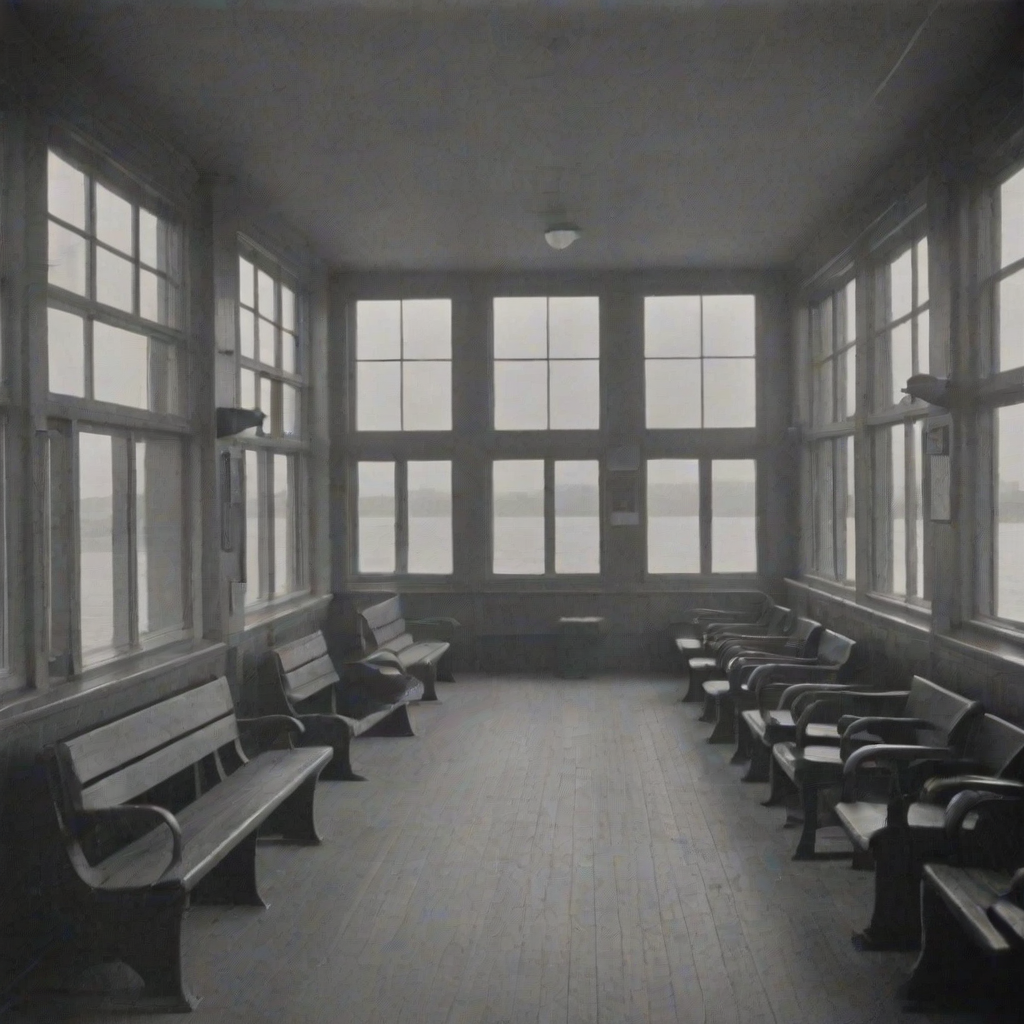
The ferry terminal is not vanishing. The ferry terminal is returning. New York launched citywide ferry service in twenty seventeen. San Francisco runs ferries across the Bay. Seattle runs ferries to the islands. The ferry is coming back because the bridge is full and the tunnel is full and the water is still there and the still there is the resource that the city forgot it had. But the ferry terminal that is coming back is not the ferry terminal that left. The ferry terminal that left processed forty million passengers a year and had a waiting room with wooden benches and a newsstand and a shoeshine stand and a man selling roasted chestnuts from a cart outside. The ferry terminal that is coming back has a digital display and a contactless payment system and no newsstand and no shoeshine and no chestnuts. The gangplank is still there. The water is still the barrier and the ferry is still the answer. You still stand at the edge of the land and wait for the boat and the waiting is still the democracy. But the waiting room is smaller than it was and the smaller is the efficiency and the efficiency is the enemy of the roasted chestnuts and the roasted chestnuts were the civilization.