 JOHN SINCLAIR
ELEVATOR
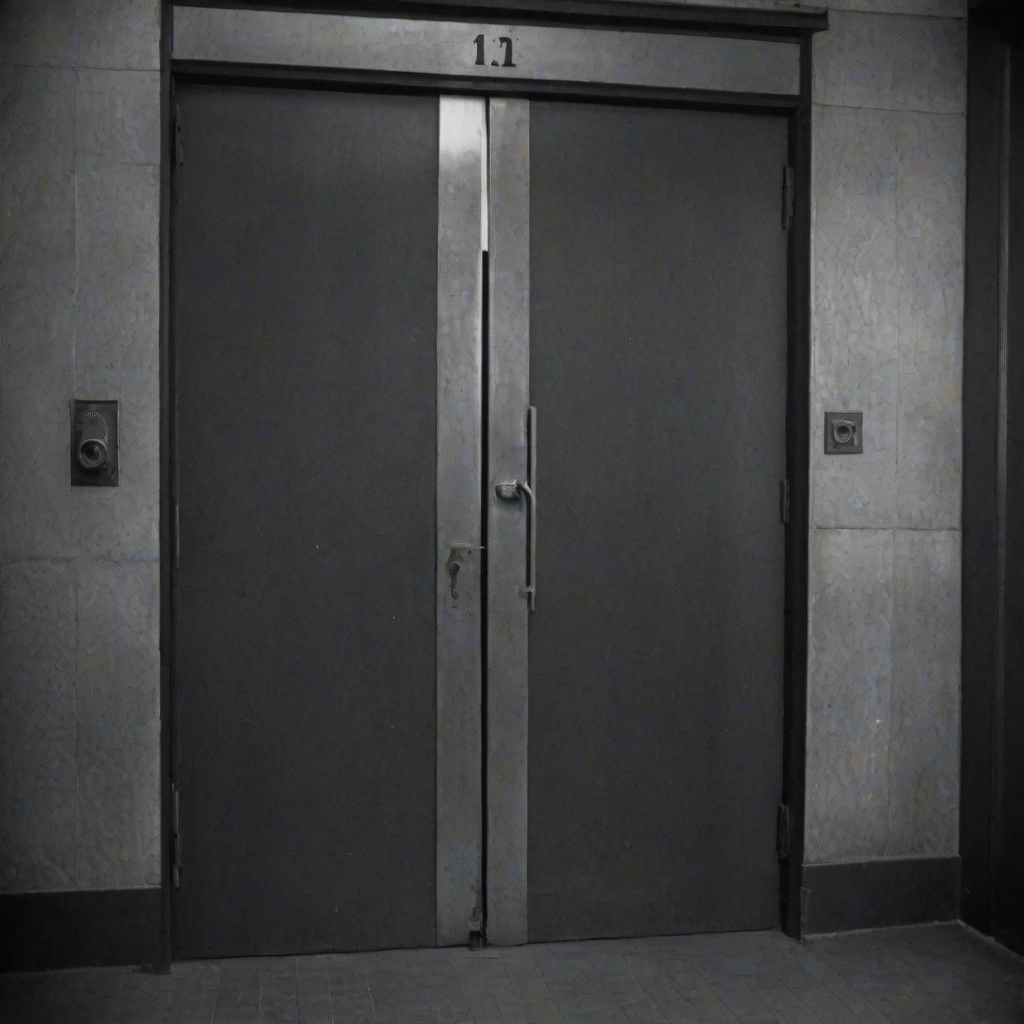
You step into the elevator and the doors close and you are in a room with strangers and nobody talks. The elevator is six feet by eight feet and the six by eight is smaller than a prison cell and the prison cell you are in for years and the elevator you are in for forty seconds and the forty seconds feel longer than years because the forty seconds are spent standing next to someone you do not know and the not knowing is the discomfort and the discomfort is the silence and the silence is the loudest sound in the building. You face forward. Everyone faces forward. The facing forward is the agreement. The agreement is that we will all pretend this is not happening.
Elisha Otis stood on a platform at the Crystal Palace in New York in eighteen fifty four and ordered his assistant to cut the rope. The platform dropped and the crowd gasped and then the safety brake caught and the platform held and the holding was the invention and the invention was the skyscraper. Before Otis buildings were five stories because five stories was as high as anyone would walk. After Otis buildings were a hundred stories because the elevator carried you and the carrying meant the sky was the limit and the limit was not a metaphor. Every city with a skyline owes its skyline to a man who cut a rope and did not fall.
Andy Warhol's Factory at 231 East Forty-Seventh Street had a freight elevator and the freight elevator was the velvet rope. You rode the elevator up and the doors opened and you were in the Factory or you were not and the being in or not was decided before you got on. Edie Sedgwick rode the elevator. Lou Reed rode the elevator. The Velvet Underground hauled their amplifiers up in the elevator and the amplifiers were heavy and the elevator was slow and the slow ride up was the transition between the street and the silver room where everything was filmed and nothing was private. The elevator at the Factory was the last door. The street door was open to anyone. The elevator decided who got to the floor.
In the housing projects the elevator is the most important machine in the building and the most broken. The elevator at the Robert Taylor Homes in Chicago served twenty-eight floors and the elevator broke every week and the breaking meant the grandmother on the twenty-second floor could not leave and the not leaving was a prison that no judge sentenced. The elevator in the projects is the infrastructure that separates a home from a cage. When the elevator works you live in an apartment. When the elevator breaks you live in a cell. The distance between the two is one machine and the machine is maintained by a city that does not maintain things in buildings where the people inside do not have the power to complain to anyone who listens.
You ride the elevator down and the floors count backward and the counting is the only entertainment and the entertainment is numbers. Thirty. Twenty-nine. Twenty-eight. The elevator stops and someone gets on and you move to make room and the making room is the only conversation and the conversation is physical. The doors open at the lobby and you step out and the stepping out is the relief and the relief is ridiculous because nothing happened. You stood in a box. The box moved. The box stopped. You left. The elevator asks nothing of you except that you stand still and face forward and wait and the waiting is the smallest test of patience the city offers and most people pass and some people do not and the not passing is why the stairs exist.