 DAVID PEEL
Elevated Train
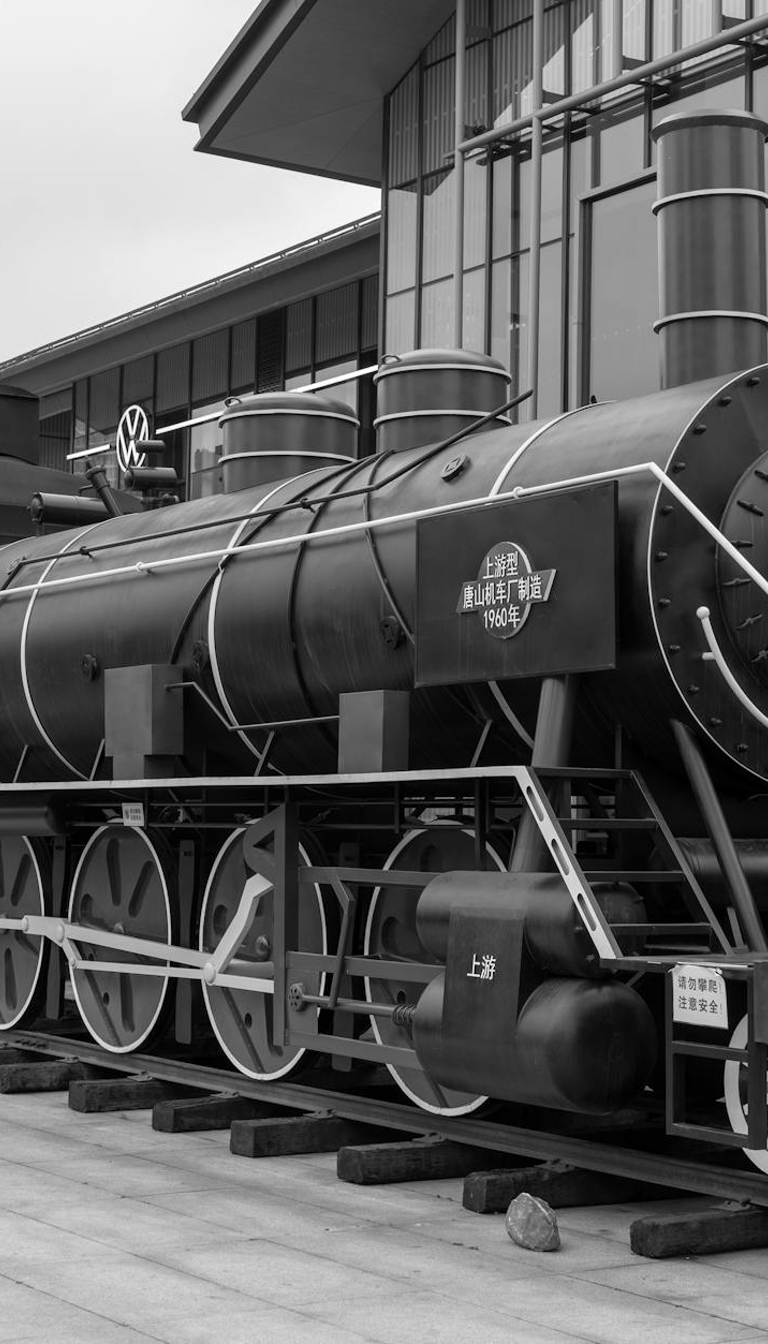
The elevated train was the first thing that put the city above itself. Before the subway went underground the train went up. Iron columns and wooden platforms and a steam engine pulling three cars over the heads of the people on the street. The El ran down the Bowery and down Ninth Avenue and down Third Avenue and the shadow of the tracks fell on the sidewalk and the sidewalk lived in permanent shade. The elevated train blocked the sun. The sun was the cost of transportation.
The noise was the signature. The El came through every four minutes and every four minutes the conversation stopped. You learned to talk in the gaps. Four minutes of talking. Twenty seconds of thunder. Four minutes of talking. Twenty seconds of thunder. The rhythm of the elevated train became the rhythm of the neighborhood. Babies fell asleep to it. Old men set their clocks by it. The El was not a disruption. The El was the heartbeat. When they tore it down the silence was louder than the train.
I lived on Third Avenue in 1966 and the El had been gone for ten years but the ghost was still there. The buildings on both sides had two colors. The top floors were light because the sun had bleached them. The lower floors were dark because the El had shaded them for sixty years. The train was gone but the shadow stayed. That is how you know something mattered. It leaves a mark on the brick. The El left a tan line on the whole avenue.
The stations were wooden platforms with wooden roofs and a man in a booth who sold you a ticket. You climbed the stairs from the street and you were above the city. You could see into the windows of the tenements. The tenements could see you. The elevated train made privacy impossible. You rode to work and you looked into kitchens and bedrooms and you saw people eating breakfast and getting dressed and nobody cared because everybody was moving and moving forgives everything.
They tore down the Third Avenue El in 1955 and the Ninth Avenue El in 1940 and the Second Avenue El in 1942 and the sunlight came back to the streets and the rents went up and the character went down. The El was ugly. The El was loud. The El was in the way. The El was the city being honest about what it needed. It needed to move people and it put the tracks where the people were and it did not apologize for the noise or the shadow or the view into your kitchen. The subway hides underground. The El did not hide. The El was the city admitting it was a machine.
See also: Subway Token, Turnstile