 JOHN SINCLAIR
DINER
You sit at the counter and the counter is long and the coffee comes without you asking. The coffee at the diner comes in a white mug and the white mug is thick and the thick is the diner telling you that this mug has survived ten thousand hands and it will survive yours. The menu is laminated and the lamination is sticky and the sticky is the history of every finger that has pointed at the eggs. You order the eggs. Everyone orders the eggs. The eggs at the diner cost four dollars and the eggs at the restaurant down the block cost sixteen dollars and the eggs are the same eggs from the same chickens and the difference is the lighting and the lighting at the diner is fluorescent and the fluorescent is honest.
The first diner was a horse-drawn lunch wagon in Providence Rhode Island in eighteen seventy two and Walter Scott parked it outside the Providence Journal newspaper building because Scott understood that the people who print the news at night still need to eat. The lunch wagon became the diner car became the diner and the diner kept the shape of the railroad car because the shape was narrow and the narrow fit on a city lot. The Worcester Lunch Car Company in Massachusetts built diners in a factory and shipped them on trucks and the shipping on trucks meant the diner arrived complete. The diner arrived with the counter and the stools and the grill and the pie case and the arriving complete is the diner's genius. The diner is a restaurant that was built somewhere else and dropped onto your street like a gift.
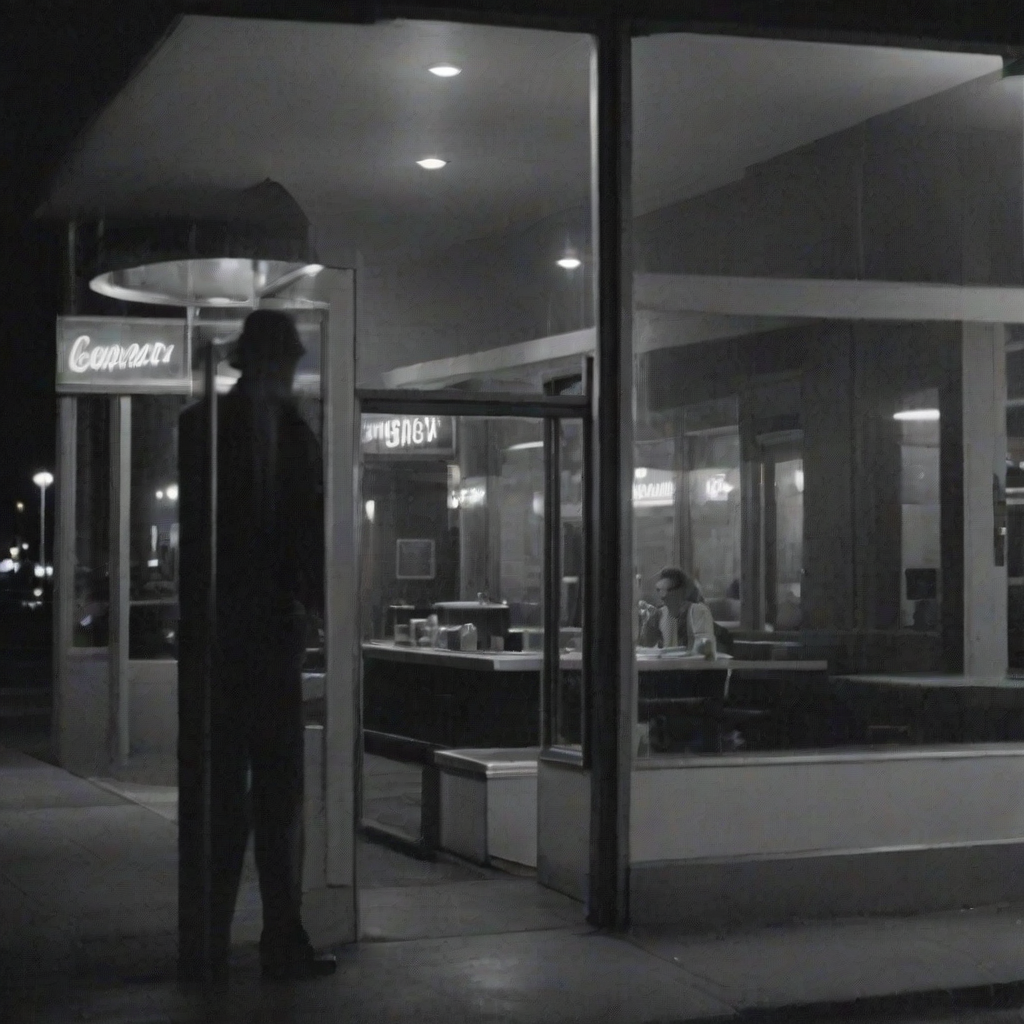
Edward Hopper painted Nighthawks in nineteen forty two and the painting is a diner at night and the diner is loneliness made visible. Four people sit in the diner and none of them are talking and the not talking is the painting. The diner in Nighthawks has no door. Art historians have looked and the door is not there and the no door means you cannot enter and the cannot enter means you can only watch. Hopper understood that the diner at night is a stage and the people inside are performers and the performance is being alone together. The diner window is the proscenium. The fluorescent light is the spotlight. The coffee is the prop.
In Waffle House there are nineteen hundred locations across the American South and FEMA uses the Waffle House Index to measure the severity of a disaster. If the Waffle House is open the disaster is manageable. If the Waffle House has a limited menu the disaster is serious. If the Waffle House is closed the disaster is catastrophic. The Waffle House becomes the unit of measurement for whether civilization still functions and the still functioning is measured in hash browns. Scattered smothered covered chunked. The Waffle House does not close. The Waffle House opens when the storm passes and sometimes before the storm passes and the before is the defiance and the defiance is made of eggs and coffee and a cook who drove through the flood to get to work.
You sit at the counter at two in the morning and the diner is the only light on the block. The cab drivers are here. The nurses are here. The person who has nowhere else to go is here. The diner at two in the morning does not ask why you are awake. The diner at two in the morning serves you the same eggs it served at noon because the diner does not have a clock. The diner has hours that say open and the open is the promise. The diner is the last place in the city that will feed you without a reservation and without a dress code and without judgment and the without judgment is the counter and the counter is long enough for everyone.