 JOHN SINCLAIR
DIAL TONE
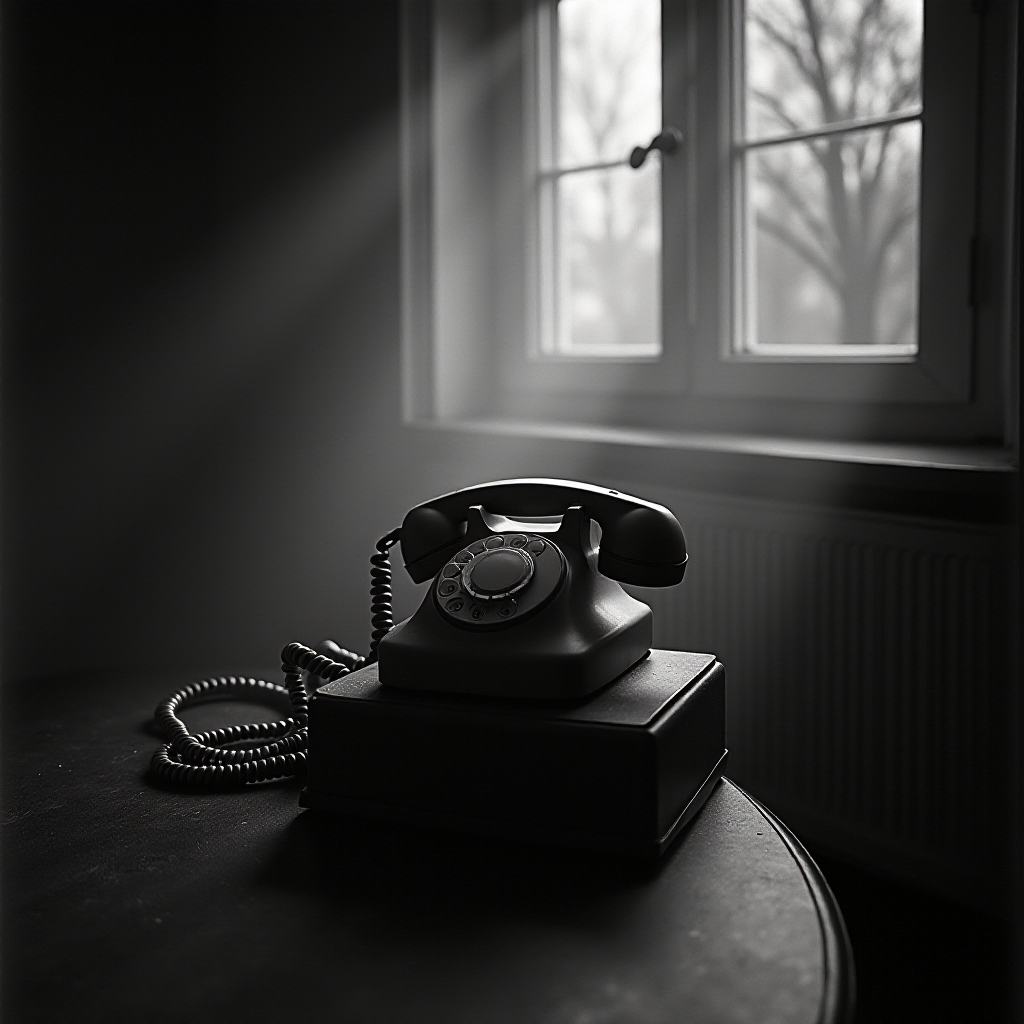
You call a number you have called a thousand times and the phone rings and nobody answers. You let it ring. You let it ring nine times ten times eleven times because you know the person and the person always answered by the third ring and now it is the eleventh ring and the phone is ringing in an empty room and the sound is bouncing off the walls and the furniture and the photographs and nobody is there to hear it. You hang up. You call again. You let it ring.
Alexander Graham Bell made the first telephone call on March tenth eighteen seventy-six. He said Mr. Watson come here I want to see you. The first words ever spoken on a telephone were a request for someone to come closer. The first telephone call was about distance. The telephone was invented to collapse the space between two people and for a hundred and fifty years that is what it did. You picked up the phone and the distance disappeared and the voice was in your ear and the ear was the closest you could get to another person without touching them.
The dial tone is the sound of a connection waiting to happen. You pick up the phone and the tone is there and the tone says the system is ready. The system is ready for you to reach somebody. The dial tone does not know who you are going to call. The dial tone does not care. The dial tone is democracy. The dial tone gives everybody the same hum. The president gets the same dial tone as the prisoner. The dial tone does not rank. The dial tone connects.
I called John Lennon's number after he was killed. December nineteen eighty. I called the number I had called before. I do not know why I called. I knew he would not answer. I knew nobody would answer. But I called because the number was still in my book and the number was still connected and the phone still rang in the apartment on West Seventy-Second Street and maybe I thought if the phone rang it meant something was still alive in that room. The phone rang. Nobody answered. I hung up and I never called that number again and I never erased it from my book.
You have a number in your phone right now that belongs to somebody who is gone. You have not deleted it. You will not delete it. The number is a door and you know the door does not open anymore but you keep the door because the door used to open and the memory of the door opening is worth more than the space the number takes up in your phone. You scroll past it sometimes. You see the name. You do not call. But you do not delete. The number is a monument. The number is a headstone made of digits. The number is the last address of someone who no longer has an address.
The dial tone is gone now. Cell phones do not have a dial tone. You tap a screen and the call goes out and there is silence until the ringing starts. The silence is not the same as the dial tone. The dial tone said the world is ready for you. The silence says nothing. The silence is the space between you and the person you are trying to reach and the space is full of nothing and the nothing does not hum. The dial tone hummed. The hum was a promise. The silence is not a promise. The silence is just silence.