 JOHN SINCLAIR
DANCE FLOOR
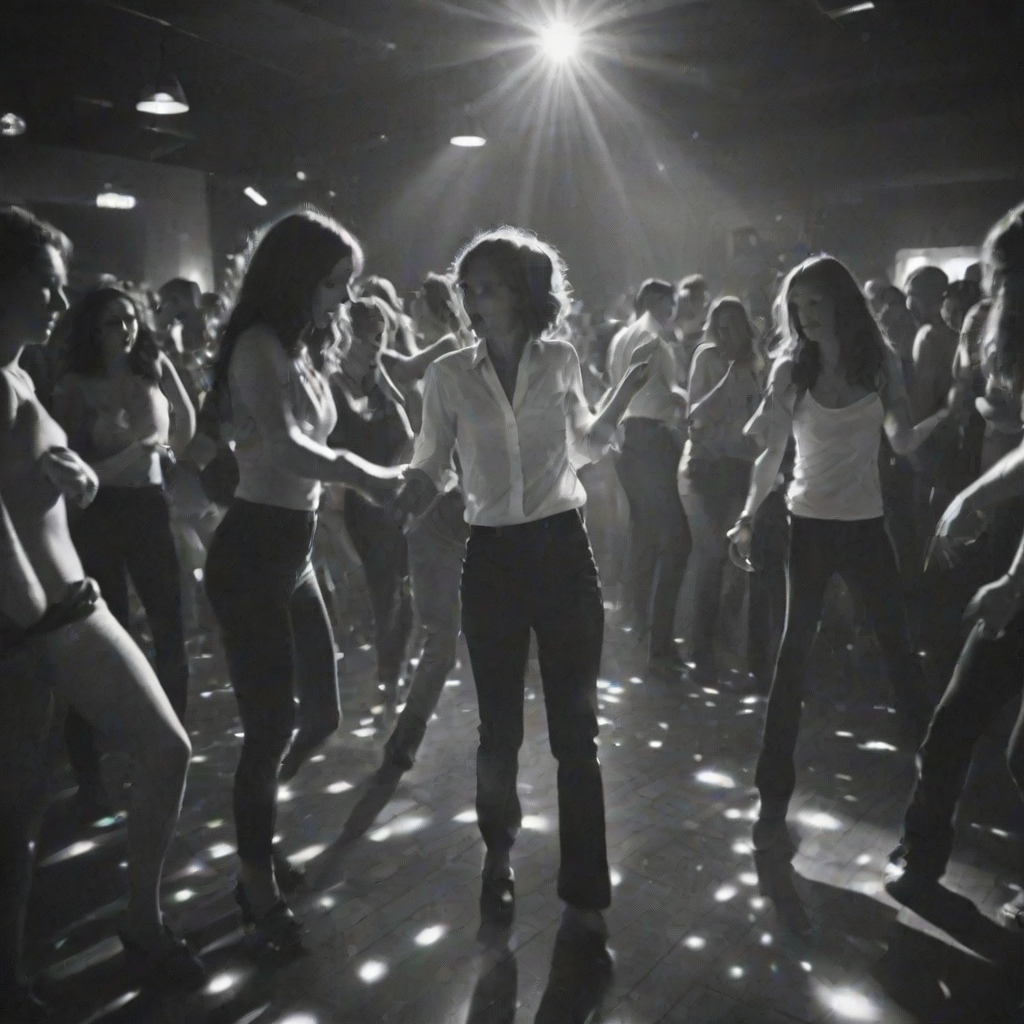
You step onto the dance floor and your job title disappears. Your bank account disappears. Your last name disappears. The dance floor does not care where you went to school or whether you went at all. The dance floor has one question and the question is can you move. Not can you move well. Not can you move correctly. Just can you move. And the answer is always yes because every body can move and every body does move when the right song comes on at the right volume at the right time of night.
Northern Soul kids in England drove three hours every Saturday night to Wigan Casino to dance until eight in the morning to records that nobody else in the country had ever heard of. American soul singles that flopped in Detroit and Chicago and Philadelphia became anthems in a casino ballroom in Lancashire. The kids wore baggy trousers so they could spin and they brought talcum powder for the floor and they danced all night to music that the rest of England did not know existed. The dance floor at Wigan held a thousand people and every one of them was there for the same reason and the reason was the three minutes between the needle drop and the last note. Nobody talked about the dancing afterward. The dancing was not a topic. The dancing was the point.
Fela Kuti built the Shrine in Lagos and the Shrine was a dance floor with a stage attached to it. The Afrika 70 played for four hours straight and the songs did not end so much as transform into the next song and the next song after that. The dance floor at the Shrine held a thousand people and nobody checked for a ticket at the door because Fela said the music belongs to everybody and you cannot charge people for what already belongs to them. The government sent soldiers to burn the Shrine down twice and both times Fela rebuilt it because the dance floor is harder to destroy than the building that holds it. You can burn the walls. You cannot burn the rhythm.
In Detroit the warehouses on the east side became dance floors in the late nineteen eighties because Derrick May and Kevin Saunderson and Juan Atkins made music that required a room with no seats. Techno was built for standing and for moving and for the specific kind of freedom that happens when the bass is loud enough to feel in your chest. The warehouses had no liquor license and no fire exit signs and no dress code and that was the point. The warehouse said come as you are and the people came as they were and the music did not judge them for it. The best dance floors in the history of American music were illegal.
You are on the dance floor and the song changes and you do not decide to keep dancing. Your body decides. The decision happens below the neck. The dance floor is the only room in the city where thinking is optional and feeling is mandatory. You close your eyes and the person next to you closes their eyes and for three minutes you are both in the same place even though you have never met and will never meet again. The dance floor does not build community. The dance floor is community. The dance floor is what community feels like before anybody turns it into a meeting.