 JOHN SINCLAIR
CRANE
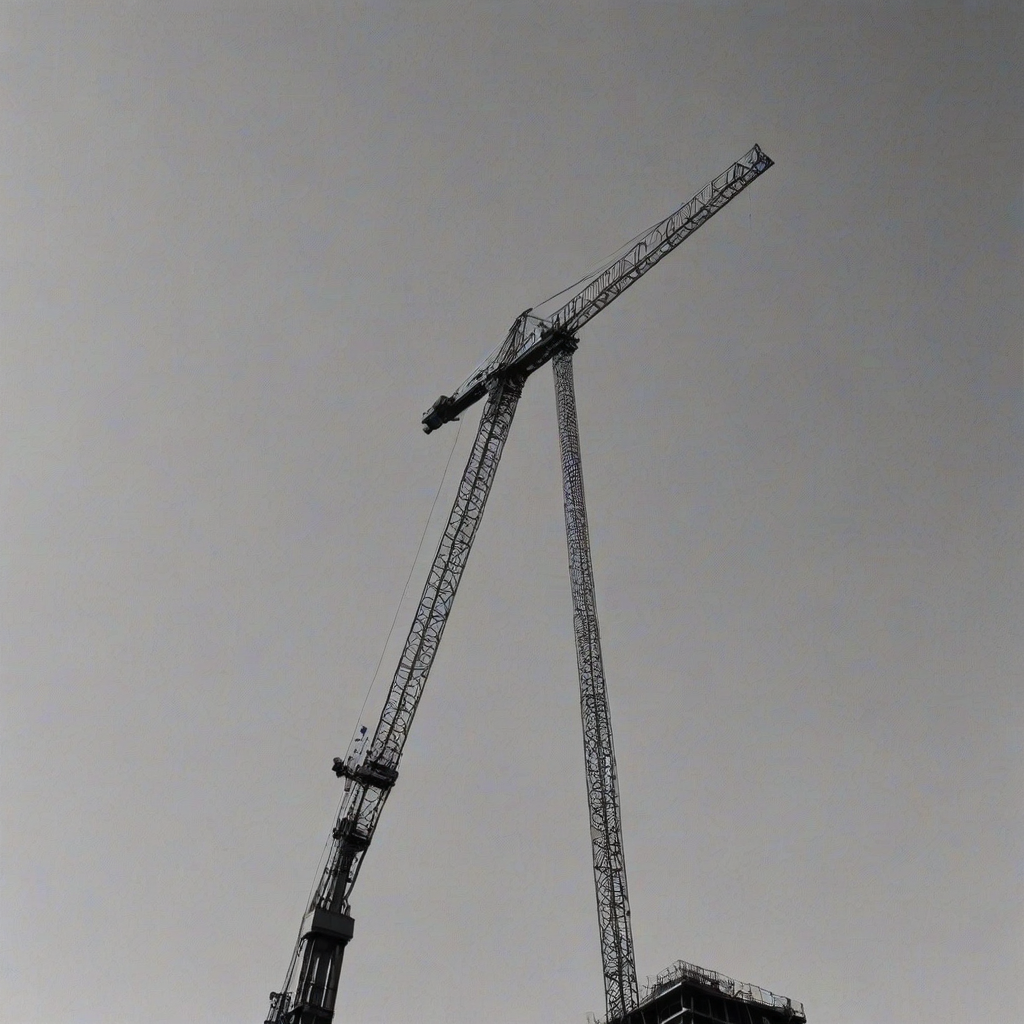
You look up at the crane and the crane is the tallest thing on the skyline because the crane is building the next tallest thing on the skyline. The crane is temporary. The crane is always temporary. The crane arrives before the building and leaves after the building is done and the arriving before and leaving after is the crane's relationship to the building which is that the crane is the midwife. The crane delivers the building. The crane lifts the steel and the concrete and the glass and the mechanical equipment to the floors where they are needed and the lifting to the floors where they are needed is the work that gravity opposes and the crane beats gravity every time.
The Liebherr LTM eleven thousand two hundred can lift twelve hundred tons and the lifting twelve hundred tons is the strongest machine that moves on wheels. The crane extends on a telescoping boom and the telescoping boom reaches one hundred meters and the reaching one hundred meters means the crane can place a load on the roof of a thirty story building from the street. The crane operator sits in a cab at the base and the cab at the base means the operator cannot see the load and the not seeing the load means the operator works by radio and the working by radio means a voice on the ground says left and right and up and stop and the left and right and up and stop is the language of the crane which is the language of direction and weight.
The cranes that built the World Trade Center worked twenty four hours a day for six years. The tower cranes sat on top of the rising steel and the sitting on top meant the cranes rose with the building. The crane was jacked up. The building grew a few floors. The crane was jacked up again. The crane climbed the building it was building and the climbing the building it was building is the paradox of the tower crane which is that the machine stands on the thing the machine is making. The kangaroo crane is what they call it when the crane climbs. The kangaroo crane at the World Trade Center lifted steel beams that weighed thirty tons to a height of thirteen hundred feet and the lifting thirty tons to thirteen hundred feet is the arithmetic of skyscrapers.
In Sinclair's Detroit the cranes worked the waterfront and the rail yards and the auto plants. The gantry cranes at the Rouge unloaded ore from the ships and the unloading ore from the ships was the first step in making a car. The ore was lifted from the hold by crane and dropped into the furnace by crane and the dropping into the furnace was the crane feeding the factory. The overhead cranes inside the plants moved the engine blocks and the body panels and the finished cars and the moving the engine blocks was the crane's daily work. The overhead crane ran on rails near the ceiling and the operator sat in a cage above the factory floor and the sitting in a cage above the factory floor meant the crane operator saw everything from above and the seeing everything from above was the god's-eye view of the assembly line.
You watch the crane swing the beam and the beam swings slowly and the swinging slowly is the care and the care is the operator and the operator is one person controlling sixty tons in the air with a joystick. The beam swings over the street. The beam swings over the workers. The beam arrives at the column and the ironworkers guide it in and the guiding it in is the connection and the connection is the bolt and the bolt holds the beam to the column and the beam to the column is the floor and the floor is the building growing. One beam at a time. The crane swings again. Another beam. Another floor. The crane. The arm that lifts the city. The machine on top of the machine it is making. The tallest thing on the skyline until the thing it is building is taller. Then the crane comes down. The building stays.