 JOHN SINCLAIR
COUNTRY JOE
Country Joe McDonald died on March seventh, 2026. He was eighty-four years old. Parkinson's disease. He died in Berkeley, California, which is where he had lived since the sixties, which is where everything started.
I need to talk about this because Country Joe was one of us. Not one of us in the way that people use that phrase when someone famous dies and everyone claims kinship. One of us in the way that means we were in the same rooms, on the same stages, in the same movement, getting the same files opened on us by the same government agencies for the same reasons.
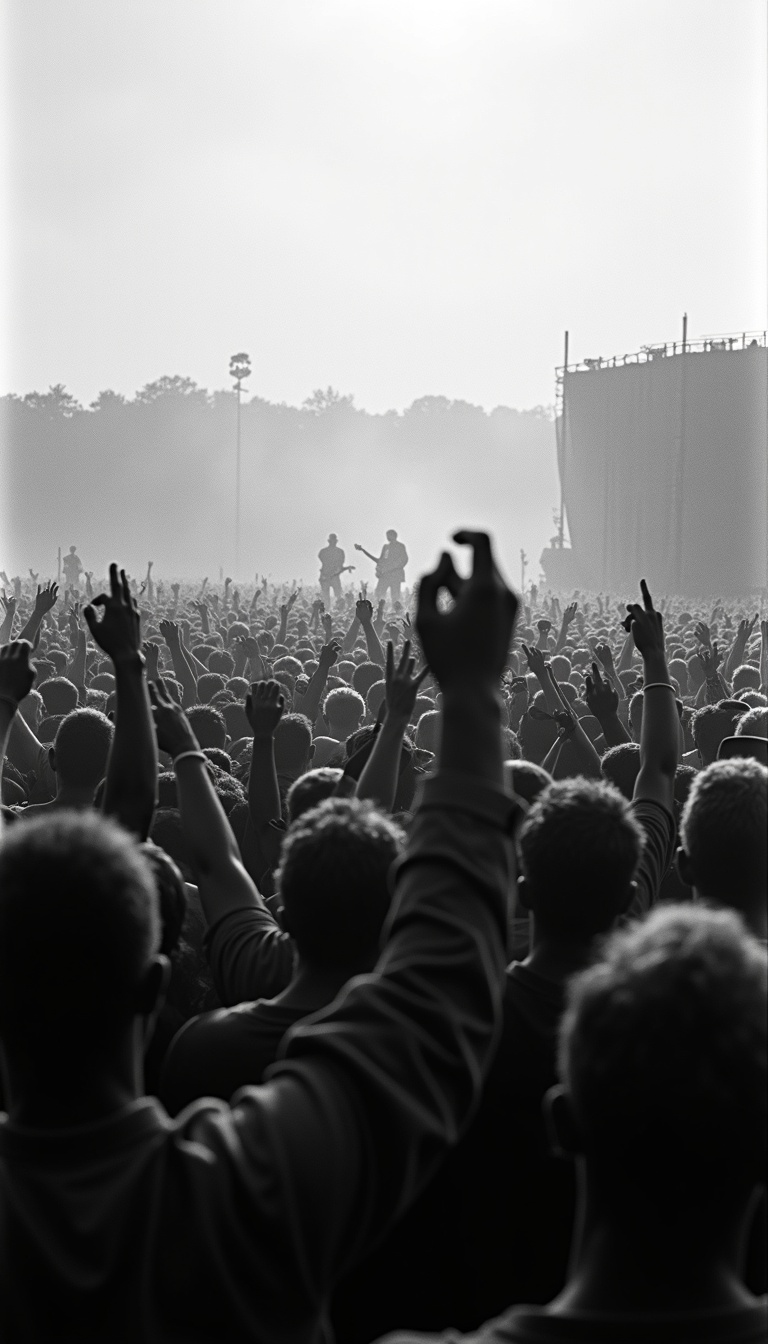
Country Joe McDonald stood on the stage at Woodstock on August fifteenth, nineteen sixty-nine, in front of half a million people, and he said: "Give me an F." And half a million people said F. And he said: "Give me a U." And half a million people said U. And he said: "Give me a C." And he said: "Give me a K." And he said: "What's that spell?" And half a million people spelled a word that the government did not want them to spell.
That was the Fish Cheer. That was the whole act. A man with a guitar getting an audience to say a word together. The word was not the point. The togetherness was the point. The fact that half a million people would say the same word at the same time on a muddy hill in upstate New York — that was the revolution in miniature. Not the politics. Not the ideology. The willingness to open your mouth and say what you were not supposed to say because the man on the stage asked you to.
Then he played "I-Feel-Like-I'm-Fixin'-To-Die Rag." Which is the greatest protest song ever written. I have said this before and I will say it again because it is true and because the man who wrote it just died and somebody should say it while it still matters.
The song is a ragtime march about dying in Vietnam. It is cheerful and singable and the lyrics are about body bags. That is what made it work. That is what makes all the best protest songs work — the distance between what the music sounds like and what the words say. The music says: this is a good time. The words say: your government is sending your children to die for nothing. The audience has to hold both of those things in their head at the same time. That dissonance is the protest. Not the anger. The dissonance.
The FBI opened a file on Country Joe. Of course they did. They opened files on all of us. They opened a file on me. They opened a file on David Peel. They opened a file on John Lennon. The file on Country Joe ran to dozens of pages. A man with a guitar and a sense of humor and a song about a war and the Federal Bureau of Investigation spent taxpayer money surveilling him because the song was too effective.
That is the compliment nobody wants. When the government opens a file on you, it means you have changed something. It means the frequency got through. It means somebody in a windowless room in Washington is worried that the song you sang on a muddy hill might actually make people think differently about the war their children are fighting. They do not open files on people who do not matter. Every file is a review. Every page is a standing ovation from the enemy.
Country Joe and I were at the same festivals, the same rallies, the same demonstrations. We were not close friends. We were something else — we were in the same frequency. Different cities, different bands, different methods, same signal. He had Berkeley. I had Detroit. He had the Fish Cheer. I had the MC5. He had a ragtime song about dying. I had a rock and roll band that played so loud the plaster cracked. Both of us were trying to do the same thing — get people to open their mouths.
After Vietnam he kept going. Forty years of benefit concerts. Forty years of showing up. He played for veterans' causes, for environmental causes, for antiwar causes, for any cause that needed a man with a guitar and a song that people remembered. He never stopped. That is the part that the obituaries will get wrong. They will say he was a Woodstock legend. He was not a legend. He was a worker. He showed up. Legends retire. Workers die on the job. Country Joe died on the job.
Eighty-four years old. Parkinson's. Berkeley. March seventh. The Fish Cheer will outlive all of us. Half a million people spelling a word on a hill. That is the image. That is the signal. A man stands on a stage and asks you to say what you are not supposed to say and you say it and for one moment you are free.
Give me an F.
See also: The Fish Cheer — Peel's rant on Country Joe. The Rally — fifteen thousand people singing "Free John Sinclair." The Festival — what happens when the room gets bigger. Forty Pages — David Peel's FBI file. The Five — the MC5, the other band that changed everything. I Was There — Peel on the night Lennon played. The Grande — the night the Stooges played the Grande Ballroom.
Country Joe McDonald (1942–2026). The Fish Cheer. The Rag. The frequency. Rest in power.