 DAVID PEEL
Cornerstone
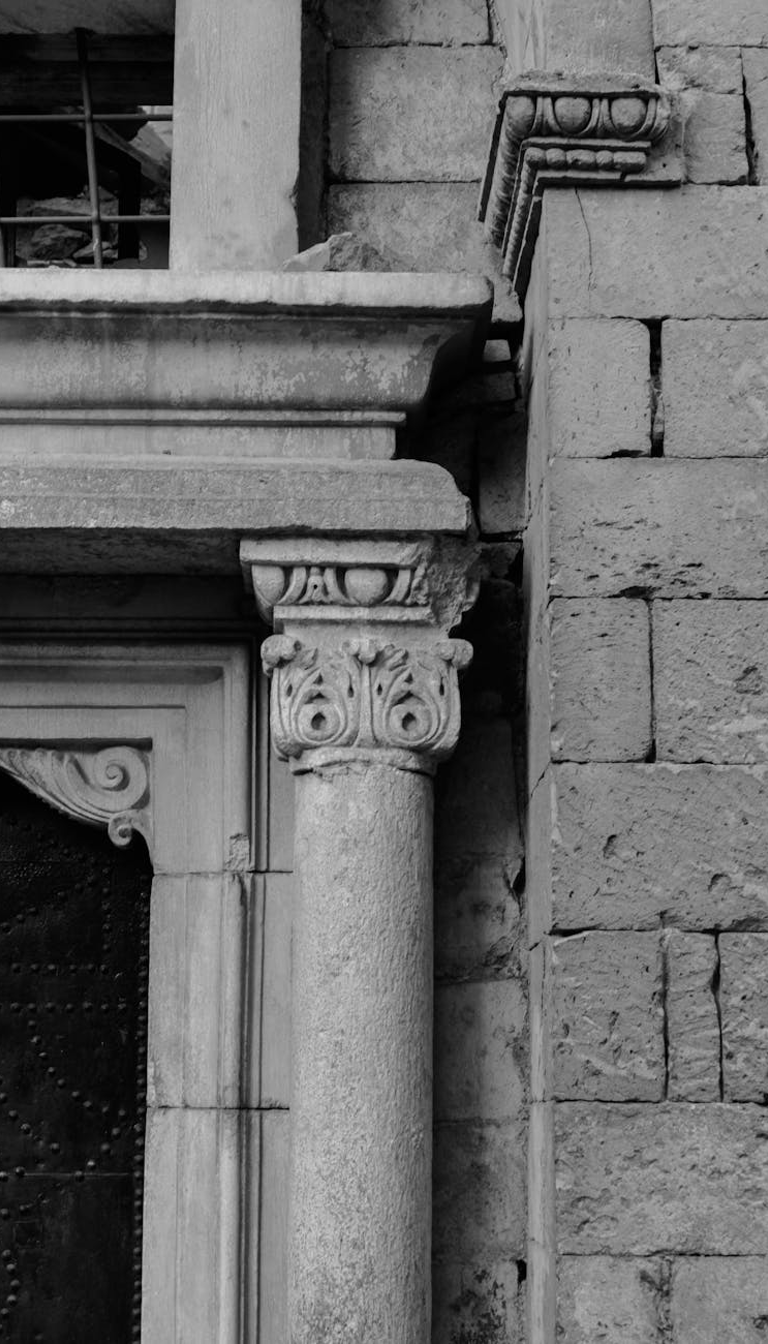
The cornerstone was the first stone laid. The northeast corner. Always the northeast corner. The mason set the cornerstone and every other stone in the building was measured from that stone. The cornerstone was the origin point. The zero on the ruler. The A on the piano. Every wall started at the corner and every corner started at the cornerstone and the cornerstone started with a mason and a level and a decision that this spot right here is where the building begins.
The cornerstone had a date. The year carved into the face of the stone so the building would remember when it was born. Some cornerstones had names. The architect. The builder. The mayor who cut the ribbon. The names on the cornerstone are the names of people who thought they would be remembered because they put their names on a stone. Some of them are remembered. Most of them are not. The stone is remembered. The stone outlasts the name carved into it. The stone does not care whose name it carries. The stone cares about the wall.
The cornerstone was hollow. A metal box inside the stone held the things the builders wanted the future to find. A newspaper from the day of the laying. A coin from the year. A list of the workers. A Bible. The time capsule was a letter to somebody who did not exist yet. The builders wrote to the future the way you write to a stranger. Politely. Hopefully. With the assumption that the stranger will care about what you saved. The stranger tears down the building and opens the box and finds a newspaper from 1893 and the newspaper says nothing about the building. The newspaper talks about a war or a scandal or the price of flour. The building saved the newspaper and the newspaper did not save the building.
The ceremony mattered. The laying of the cornerstone was a public event. The mayor spoke. The lodge members came in their aprons. The silver trowel spread the mortar. The level was checked. The plumb was dropped. Every step was ritual because the cornerstone was not just construction. The cornerstone was a promise. The building was promising to stand. The community was promising to use it. The ceremony was the contract between the building and the street. A handshake between the built and the unbuilt.
Nobody lays cornerstones anymore. The steel frame goes up and the curtain wall hangs on the frame and the curtain wall has no corner because the curtain wall is a skin not a structure. The skin has no origin point. The skin wraps. The stone building started at a corner. The glass building starts at a spreadsheet. The spreadsheet does not have a ceremony. The spreadsheet does not make a promise to the street. The building goes up and the street does not know when it started or who started it or why. The cornerstone answered all three questions in one stone. The glass building does not answer because the glass building was not asked.