 DAVID PEEL
CORNER PHONE
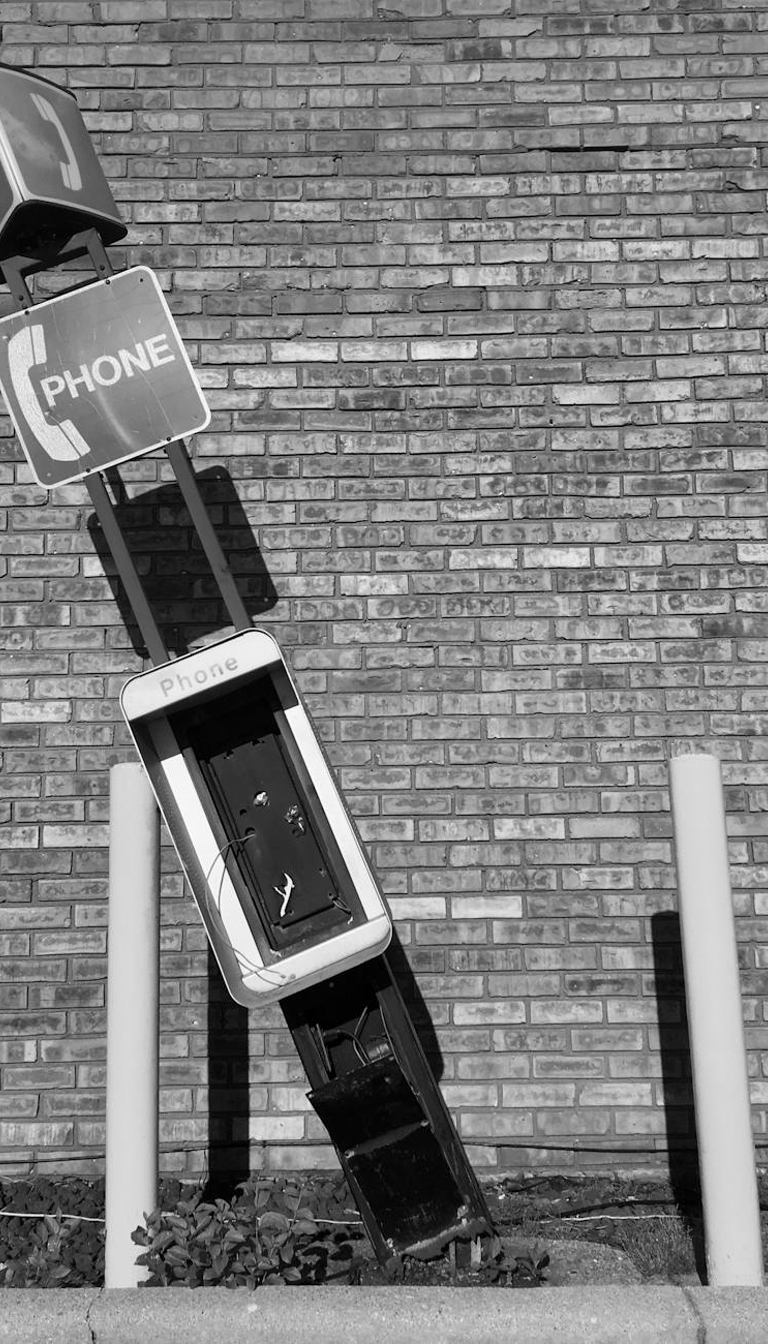
The corner phone was a pay phone on the corner of the block and it was the only phone some people had. You did not call from your apartment because your apartment did not have a phone. You walked to the corner and you put a dime in the slot and you called your mother and you told her you were fine and she could hear the traffic behind you and she knew you were calling from the corner and she knew fine meant alive. The corner phone was a lifeline sold for a dime.
The corner phone had a number. People called you on it. If you were expecting a call you stood by the phone on the corner at the time you agreed on and you waited and the phone rang and you picked it up and that was your phone call. If the phone rang and nobody was waiting a stranger would answer it and the stranger would yell up to the building and somebody would come down and that stranger had just been your answering service. For free. Because the block took care of its own.
The drug dealers used the corner phone. The bookies used the corner phone. The man calling his parole officer used the corner phone. The kid calling his girl used the corner phone. Everybody's business went through the same receiver and the receiver did not judge. The corner phone was the most democratic technology in the city. One phone. One dime. One conversation at a time. The line that formed behind you was the city learning patience.
I got a record deal on a corner phone. Avenue B and Fourth Street. The man from the label called the number I gave him and a kid who was waiting for his own call answered and yelled up to my window and I came down in my undershirt and bare feet and I said hello and the man said we want to put out your record. The biggest moment of my life happened on a pay phone on a street corner in my bare feet. That is how things happened in the city. Not in offices. On corners.
The pay phones are gone. The booths are charging stations now. You charge your cell phone where people used to charge their dimes. The corner phone was public. The cell phone is private. The corner phone meant somebody might overhear your conversation and that was fine because the overhearing was how the block stayed connected. Your neighbor knew you were calling your mother because he was standing three feet away. Now your neighbor does not know who you are calling. Now your neighbor does not know you. The phone got better. The connection got worse.