 DAVID PEEL
Coping
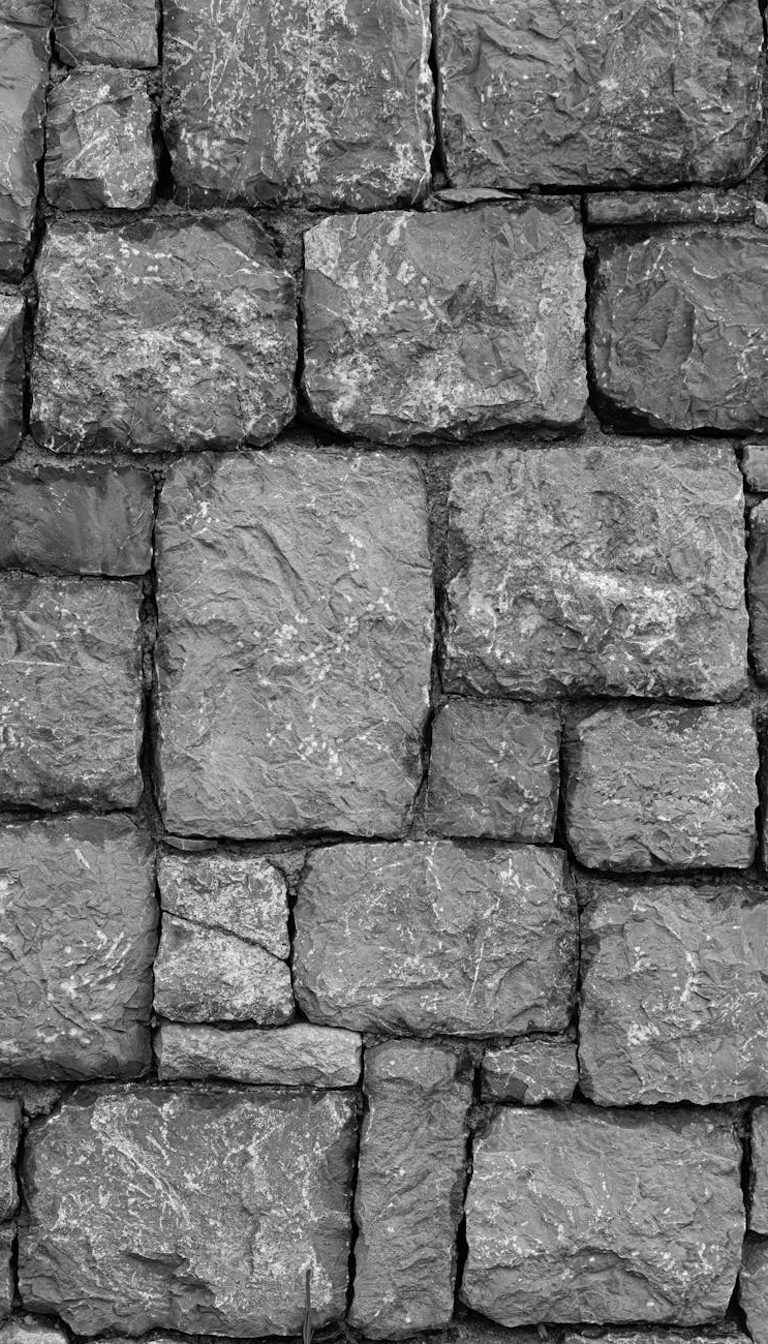
The coping was the cap on top of the wall. A row of stones or bricks laid flat on the top course with a slight slope to each side so the rain ran off instead of soaking in. The coping was the wall's hat. A wall without a coping is a wall without a hat and a wall without a hat gets wet and a wet wall rots from the top down. The coping was the cheapest part of the wall and the most important.
The coping was sloped. Both sides. The slope sent the water outward and the water dripped off the edges instead of sitting on top of the wall and soaking through the mortar. The slope was barely visible. You had to look close. But the water saw it and the water obeyed it because water always obeys a slope. The flat cap on the modern wall does not slope. The flat cap trusts the sealant. The sealant trusts the chemistry. The chemistry expires in seven years. The slope never expires.
The brownstone coping was carved. A piece of brownstone cut to fit the top of the wall with a bullnose profile on each edge. The bullnose turned the corner soft so the rain did not hang on the edge. The water hit the curve and let go. The sharp edge on the concrete cap holds the water and the water hangs there and the hanging water is the water deciding where to go. A sharp edge gives the water a choice. A round edge makes the choice for it. The coping stone was a decision made in stone.
The coping failed at the joint. Two coping stones met and the joint between them was the door the water walked through. The mason pointed the joint with mortar and the mortar kept the water out for twenty years and then the mortar cracked and the water got in and the water ran down the inside of the wall and the wall started to decay from within. You could not see the failure. The failure was inside the wall doing its work in the dark. The coping stone was still sitting there looking fine. The wall beneath it was dissolving.
Nobody thinks about the coping. The coping is the most invisible part of the building. Nobody looks at the top of the wall. Everybody looks at the windows and the door and the facade. But the coping is why the facade is still there. The coping did the work that nobody noticed and the work that nobody noticed kept the building standing. The best work is invisible. The best worker is the one you never think about until the day the wall starts to crumble and somebody says who forgot the coping.