 DAVID PEEL
Cold Chisel
The cold chisel was a steel bar with a cutting edge on one end and a striking face on the other. You held the chisel against the material and hit the striking face with a hammer and the cutting edge bit into whatever you were cutting. Brick. Stone. Concrete. Mortar. Metal. The cold chisel cut them all. The cold chisel was called cold because it cut material that was not heated. A hot chisel cut hot metal in the forge. A cold chisel cut cold material in the field. The distinction was temperature. The forge was hot work. The field was cold work. The chisel did not care. The chisel cut what you put in front of it.
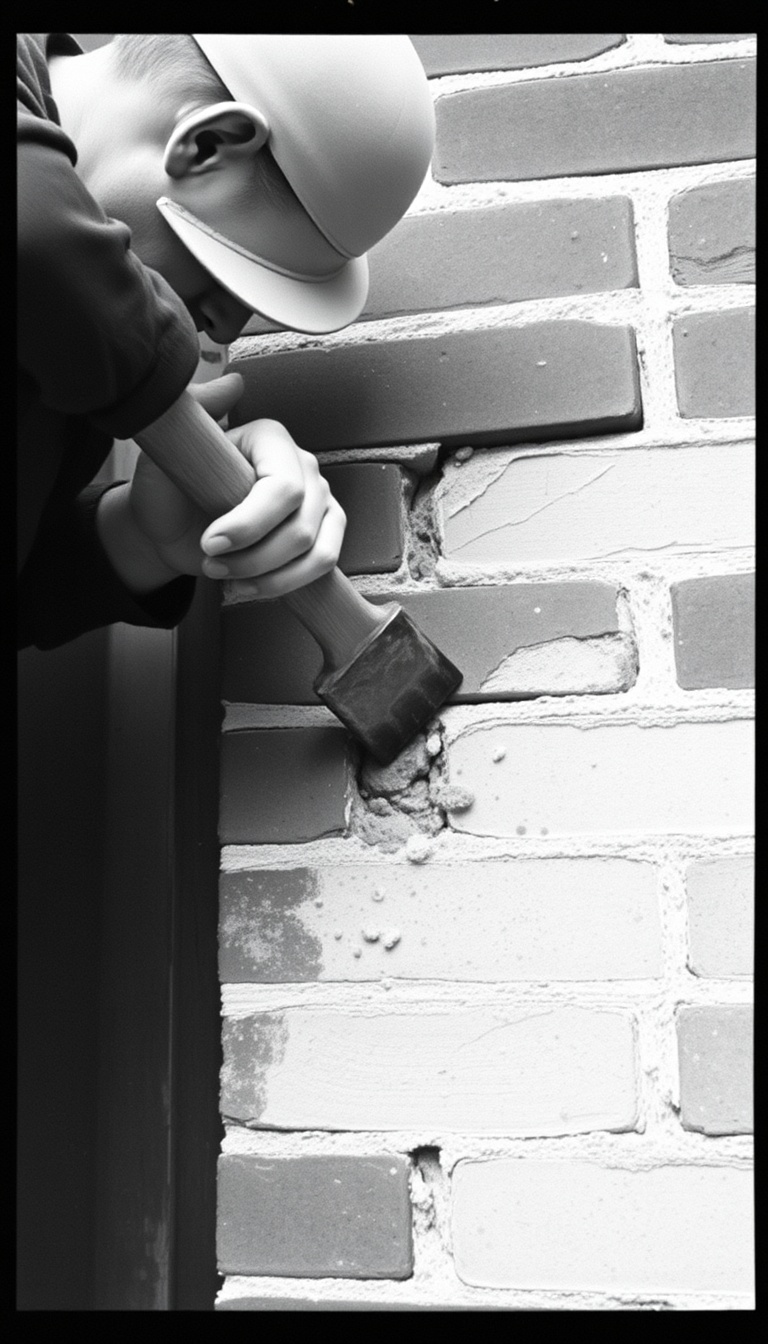
The mason used the cold chisel to remove old mortar from joints. Repointing. The chisel went into the joint and the hammer drove it along the joint and the old mortar crumbled and fell out. The joint opened up and the mason filled it with new mortar and the wall was repointed. The repointed wall looked new. The bricks were old but the mortar was new and the mortar was what you saw. The bricks were the body. The mortar was the face. The cold chisel gave the building a new face without changing its body.
The cutting edge mushroomed over time. The hammer struck the striking face and the force traveled through the bar and the cutting edge spread from the impact. The mushroom was dangerous. A piece of the mushroom could break off and fly. The mason ground the mushroom flat on a bench grinder every few days. The grinding restored the edge and removed the mushroom and the chisel was safe again until the next mushroom formed. The cycle was use and abuse and restoration. The chisel was always being damaged by its own purpose. The chisel cut by being struck and the striking damaged the chisel and the damaged chisel was repaired and struck again. The tool wore out by doing its job.
Nobody makes a living with a cold chisel anymore except in restoration. The diamond blade saw cuts faster and straighter and does not need a hammer. The saw does not mushroom. The saw does not send chips flying. The saw makes a clean cut in a straight line and the straight line is perfect. The cold chisel made a rough cut in an approximate line and the approximate line was good enough because the mortar filled the imperfection and the imperfection was invisible after the pointing. The cold chisel was the tool of good enough. The diamond saw is the tool of perfect. The old buildings were built with good enough and the old buildings are still standing.
See also: Brick Hammer, Pointing