 DAVID PEEL
Cobblestone
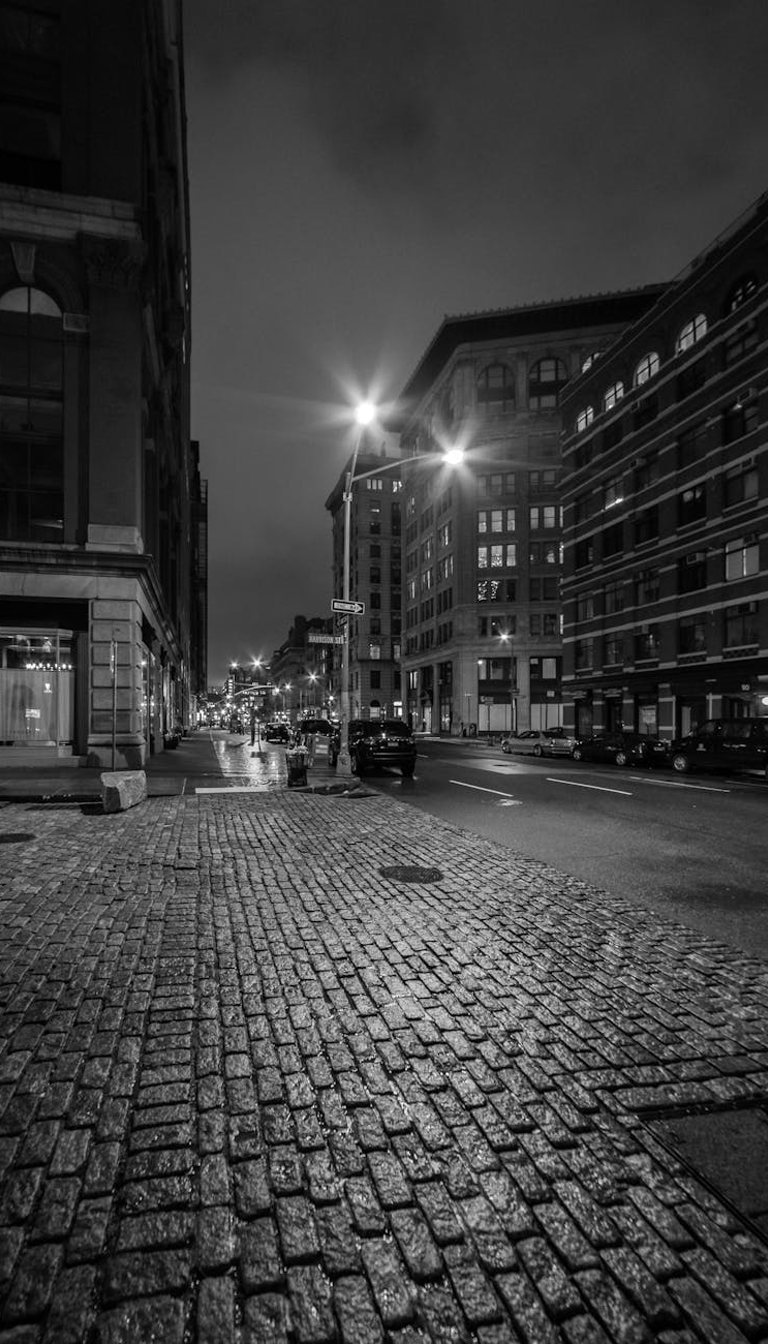
The cobblestone is under the asphalt. Every street in lower Manhattan has cobblestones underneath and every time they dig up the street you can see them. The cobblestones were the original street. The asphalt is the cover story. The city paved over the cobblestones because the cobblestones were bumpy and the cars did not like the bumps. The cobblestones were built for horses and the horses did not complain.
The cobblestone was cut from granite. A man cut each stone by hand and another man laid each stone in sand and the street was built one stone at a time. The street was a mosaic. Every stone was slightly different. The street had texture. The asphalt has no texture. The asphalt is one thing pretending to be a surface. The cobblestone was a thousand things that agreed to be a street.
I walked on cobblestones on Water Street in 1962. The cobblestones were wet and the light hit the wet stones and the street looked like it was made of dark mirrors. The cobblestone street in the rain was the most beautiful street in the city. The asphalt street in the rain is a puddle you avoid. The cobblestone held the rain between the stones. The asphalt rejects the rain and the rain goes to the sewer. The cobblestone and the rain had an arrangement. The asphalt and the rain have a disagreement.
They keep some cobblestone streets in SoHo and the West Village because the cobblestones are historic and the historic streets raise the property values. The cobblestone went from being a working street to being a decoration. The street that built the city is now a landmark in the city. That is what happens when you last long enough. First they pave over you. Then they dig you up and call you heritage.
See also: Trolley Car, Stickball Bat