 JOHN SINCLAIR
COAL CHUTE
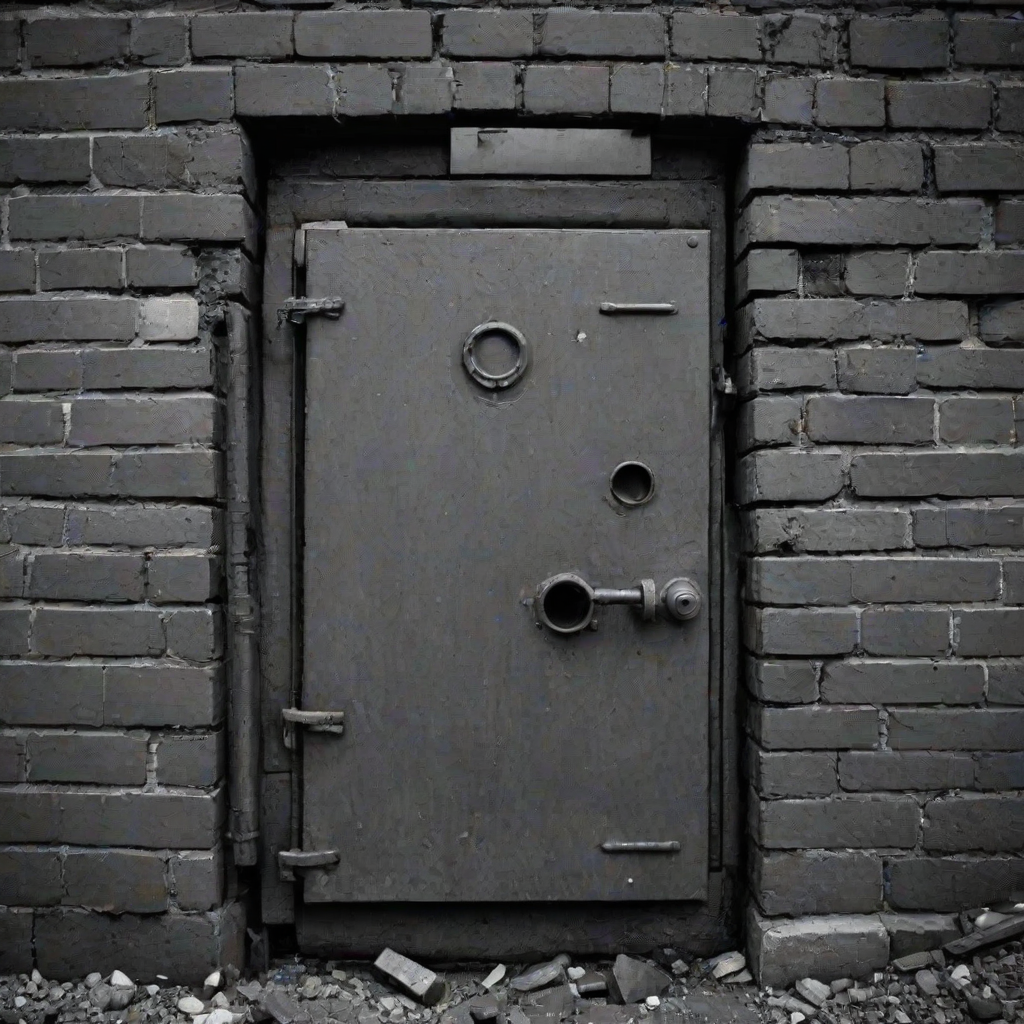
You hear the coal chute before you see it and the hearing is the thunder of coal sliding down metal into the basement. The coal chute is a hole in the wall. The coal chute is a metal door at sidewalk level that opens to a steel slide that drops at a forty five degree angle into the coal bin in the basement. The coal truck backs up to the curb. The driver opens the chute door. The driver backs the truck bed up and the coal slides down the chute and the sliding down the chute is the sound and the sound is the roar of a thousand black rocks falling through a metal throat. The coal chute fed the furnace. The furnace heated the building. The building needed coal every two weeks in winter and every two weeks meant the coal chute opened twenty times a year.
Every building in New York had a coal chute in nineteen hundred and the every building having a coal chute meant nine million tons of coal poured through small iron doors in the sidewalks every year. The coal came on barges up the Hudson and the barges docked at the coal yards on the West Side and the coal yards weighed the coal and loaded it onto horse drawn wagons and the horse drawn wagons carried it through the streets to the buildings and the buildings opened their chutes and the coal poured in. You can still see the coal chute doors in the sidewalks of Brooklyn and Manhattan. The small cast iron doors are set flush with the concrete and the set flush with the concrete means most people walk over them without knowing. The doors say COAL in raised letters and the raised letters are the signature of an age that heated itself by burning rock.
The coal mines of West Virginia sent a hundred and seventy million tons through chutes and tipples and rail cars in nineteen forty seven which was the peak year and the peak year meant a hundred and twenty five thousand miners worked underground to feed the chutes. The tipple was the building at the mine mouth where the coal was sorted and loaded and the tipple had its own chutes and the chutes dropped the coal into rail cars and the rail cars carried it to the cities. The coal came out of the mountain through the mine mouth and dropped down the tipple chute into the car and the car carried it to the city where it dropped down the building chute into the basement. Chute to chute. Mountain to basement. The coal's journey was a series of falls. The coal fell from seam to car. The coal fell from car to barge. The coal fell from truck to cellar. The coal fell every step of the way because coal is heavy and gravity is free.
In the steel mills the coal chute was the coke oven door. The coal entered the coke oven through a charging chute at the top and the entering through the top meant the coal fell into the oven and the oven baked the coal at two thousand degrees for eighteen hours and the eighteen hours burned off the gas and tar and left the coke and the coke was pure carbon and the pure carbon was what the blast furnace needed. The coke ovens at the Clairton Works near Pittsburgh had eight hundred and sixty eight ovens and the eight hundred and sixty eight ovens processed thirty thousand tons of coal per day. The coal chute at the top of each oven opened four times a day and each opening dropped fifteen tons of coal into the oven and the dropping fifteen tons was the feeding and the feeding kept the furnaces alive. Without the coke oven chute there was no coke. Without the coke there was no steel. Without the steel there was no car and no bridge and no building. The coal chute was the first domino.
You stand by the coal chute and the chute is quiet now. The iron door in the sidewalk is rusted shut and the rusted shut means no coal has come down this chute in fifty years. The building switched to oil in the sixties and the switching to oil meant the coal chute closed and the coal bin became storage and the storage filled with bicycles and boxes and the things that replaced coal in the basement. The coal chute. The iron door. The thunder of coal on metal. The nine million tons in New York. The hundred and seventy million from West Virginia. The coke oven door at Clairton. The throat that fed the furnace age. The coal fell. The buildings were warm. The coal chute is closed now but the door is still there in the sidewalk. Walk over it. Look down. Read the word cast in iron. COAL. The whole age in four letters.