 DAVID PEEL
Clothespin
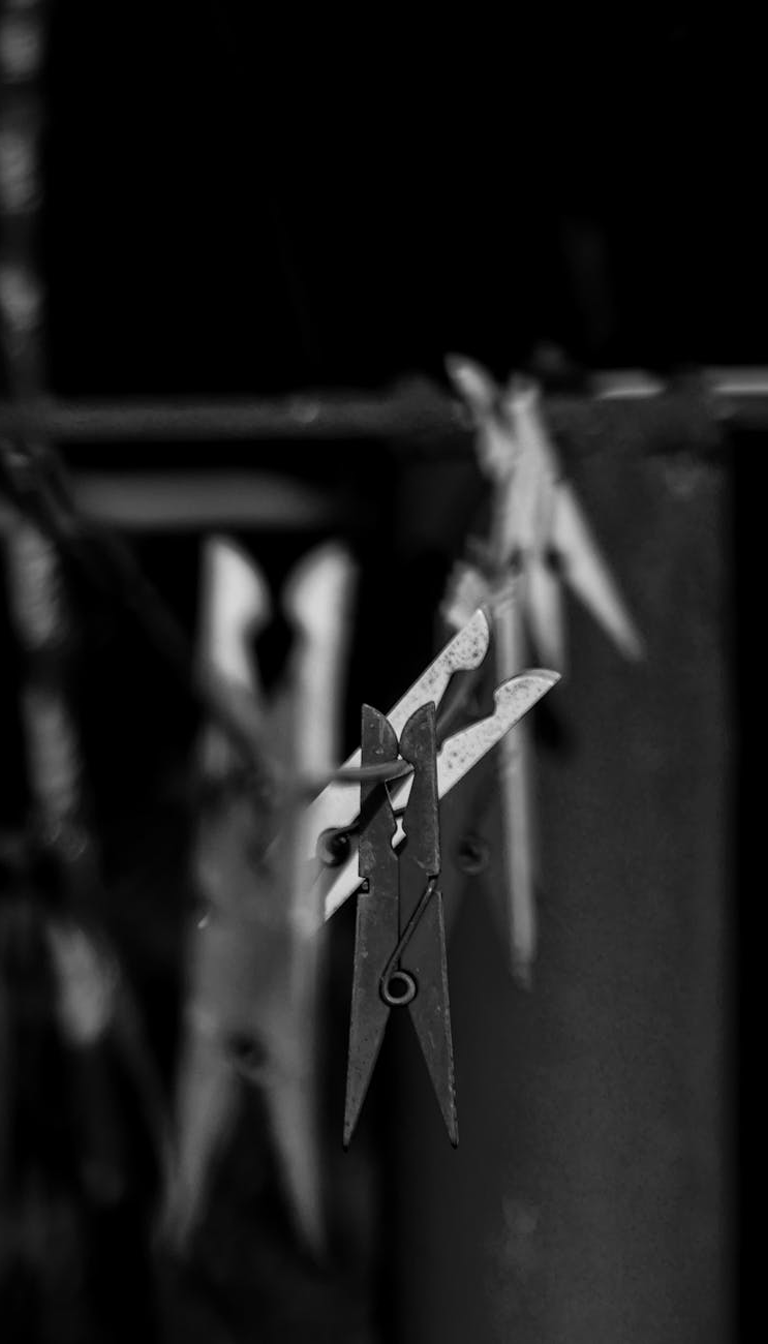
The clothespin was two pieces of wood and a spring. You squeezed it open and put the wet shirt on the line and let go and the spring held the shirt and the wind dried the shirt and gravity pulled the water to the sidewalk. The clothespin was the handshake between the laundry and the air. The dryer has no handshake. The dryer is a monologue.
My mother kept clothespins in a canvas bag that hung on the clothesline pole. The bag had a hundred clothespins in it and every clothespin was the same and none of them had a brand name. Nobody knew who made the clothespin. The clothespin was anonymous. It did its job and it asked for nothing. The clothespin was the most humble piece of technology in the household. It held things together and it did not take credit.
The clothespin had a second life. You put a clothespin on a playing card and attached it to the bicycle wheel and the card hit the spokes and the bicycle sounded like a motorcycle. Every kid on the block had a clothespin motorcycle. The clothespin turned a bicycle into a vehicle with a sound. The sound was the upgrade. The speed was the same but the sound made you faster because speed is a feeling and feelings start in the ears.
A clothespin cost a penny. A box of fifty cost forty cents. The clothespin lasted until it broke and it broke when the spring gave out and the spring gave out after ten years. You cannot buy a clothespin at most stores now because most people do not hang clothes on a line because most buildings do not allow clotheslines because the clothesline is considered unsightly. The clothespin lost its job when the building lost its line. The clothespin is unemployed. The dryer sheet has its job now and the dryer sheet lasts one cycle and costs more than the clothespin cost for a decade.
See also: Clothesline Pole, Washboard