 DAVID PEEL
Clerestory
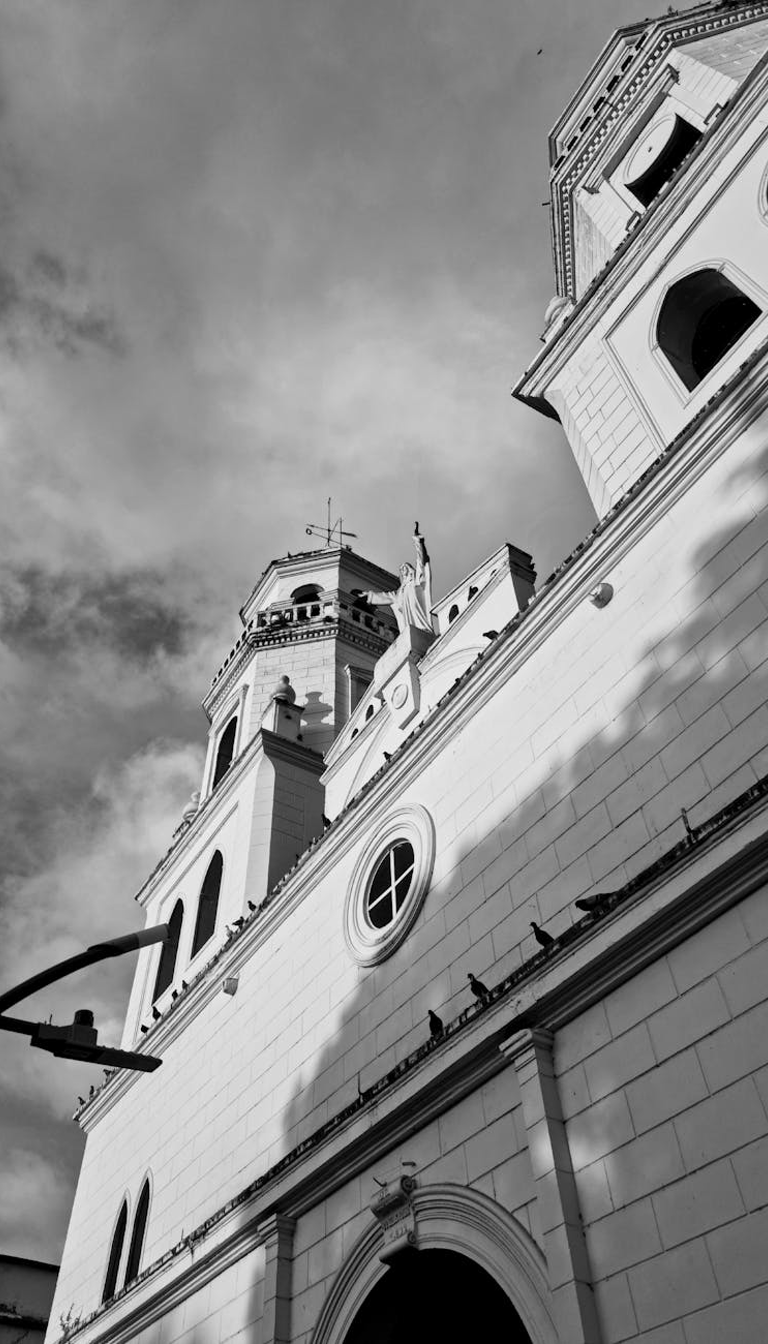
The clerestory was a row of windows above the roofline. The nave of the church rose higher than the aisles and the difference in height created a wall and the wall had windows and the windows let the light in from above. The clerestory was architecture way of saying the light comes from a higher place. The light did not come through the front door. The light came from above the sightline. You had to look up to find the source. The architect made you look up. That was the whole sermon.
The clerestory was structural honesty turned into theology. The nave was tall because the nave was the main space. The aisles were short because the aisles were the secondary space. The height difference was functional. The windows in the height difference were practical. The light through the windows was divine. Three facts. The builder saw structure. The priest saw God. The congregation saw both and could not tell where one ended and the other began. That was the genius. The building made the practical look sacred.
The factory took the clerestory from the church. The sawtooth roof of the industrial building was a row of clerestories. Each tooth faced north because north light is even and does not cast shadows and the workers needed even light to see the looms and the lathes and the needles. The factory owner did not care about God. The factory owner cared about productivity. The same window that brought divine light into the nave brought productive light into the factory floor. The window did not know the difference. The light does not know what it illuminates.
The clerestory ventilated. Hot air rises and the clerestory windows were the highest openings in the building and the hot air found them and left. The stack effect. The building breathed upward through its clerestory the way a chimney breathes upward through its flue. Open the clerestory windows on a summer day and the hot air exits and cool air enters through the lower windows and the building circulates without a machine. The building was its own air conditioner. The thermostat was a crank on a high window.
They do not build clerestories in houses. The house is one height. The roof covers everything equally. The light comes through the wall. The light is democratic. Every room gets the same light from the same height. The clerestory was hierarchical. The main space got the high light. The secondary space got the low light. The hierarchy was not popular. The suburb wanted equality. Every room the same. Every window the same height. The light is equal and the light is ordinary. The clerestory said some spaces deserve more light than others. That was uncomfortable. That was also true.