 DAVID PEEL
Clapboard
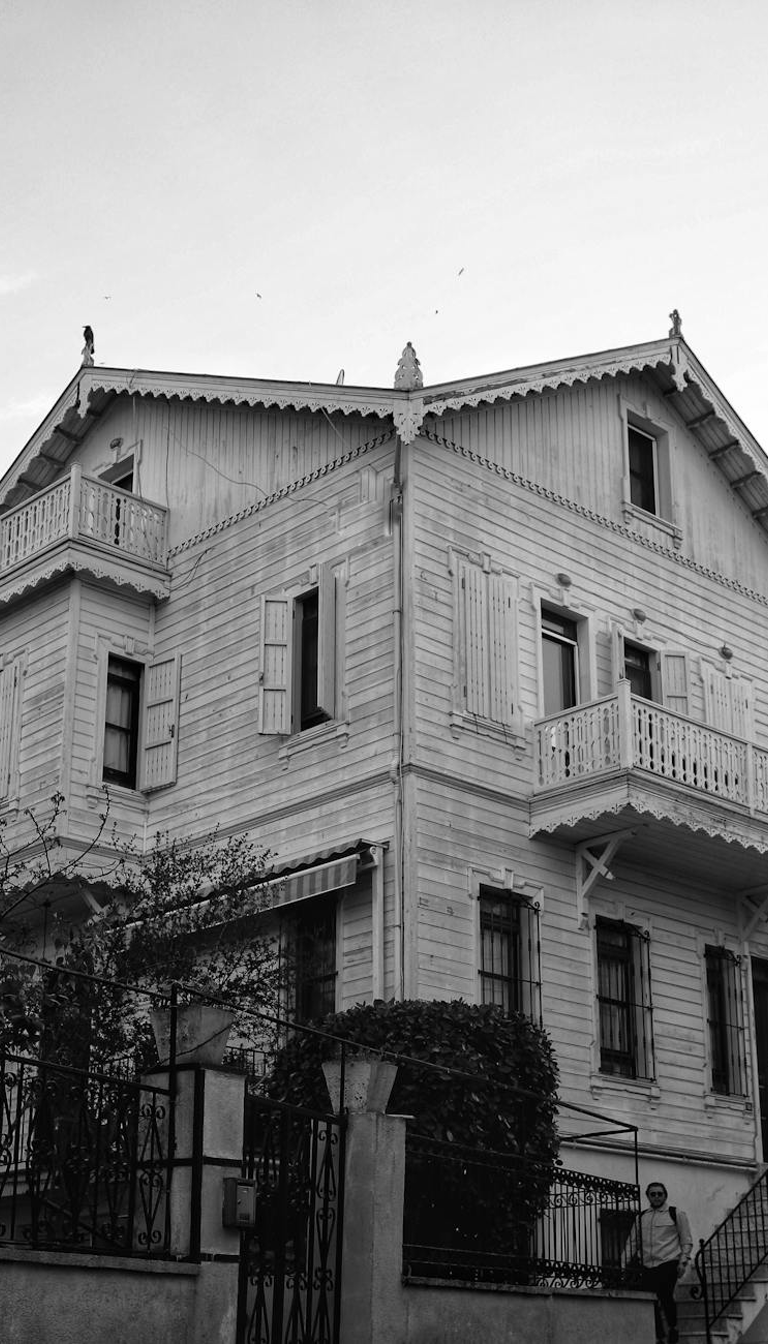
The clapboard was a plank of wood nailed to the side of the house. Each board overlapped the one below it like fish scales. The overlap was the engineering. Rain hit the clapboard and ran down the face and dripped off the bottom edge onto the board below and ran down again. The water never got behind the wall because the overlap sent it away. The clapboard was the house's raincoat. Simple and effective and it worked for three hundred years.
The clapboard was split by hand. Before the sawmill a man took a log and split it with a froe and the split followed the grain and the grain was the wood's natural armor. A split clapboard lasted longer than a sawn clapboard because the grain was not cut. The froe followed the tree's plan. The sawmill followed the mill's plan. The tree's plan was better because the tree had been planning for a hundred years.
You painted the clapboard. White or red or sometimes green. The paint was the clapboard's sunscreen. Without paint the sun dried the wood and the wood cracked and the cracks let the water in and the water rotted the wood from the inside. Painting clapboard was the most honest conversation between a homeowner and a house. The house said protect me. The homeowner said I will. Every five years the homeowner kept the promise. The vinyl siding makes no promises because the vinyl siding needs nothing from you.
The clapboard weathered. Unpainted clapboard turned silver-gray in the salt air and the silver was the color of endurance. Cape Cod. Nantucket. Every shingle-style house on the New England coast turned silver because the homeowner trusted the wood to take care of itself. The silver clapboard was wood that had made peace with the weather. The painted clapboard was wood that fought the weather. Both strategies worked. The vinyl siding does not have a strategy. The vinyl siding has a warranty.
They covered the clapboard with vinyl. Snapped it on over the old wood and never looked at what was underneath again. The vinyl does not rot. The vinyl does not crack. The vinyl does not need you. Under the vinyl the old clapboard is still there. Still doing its job. Still overlapping. The vinyl is the cover story. The clapboard is the story. Nobody reads the story anymore because the cover is good enough.