 DAVID PEEL
Cinder Block
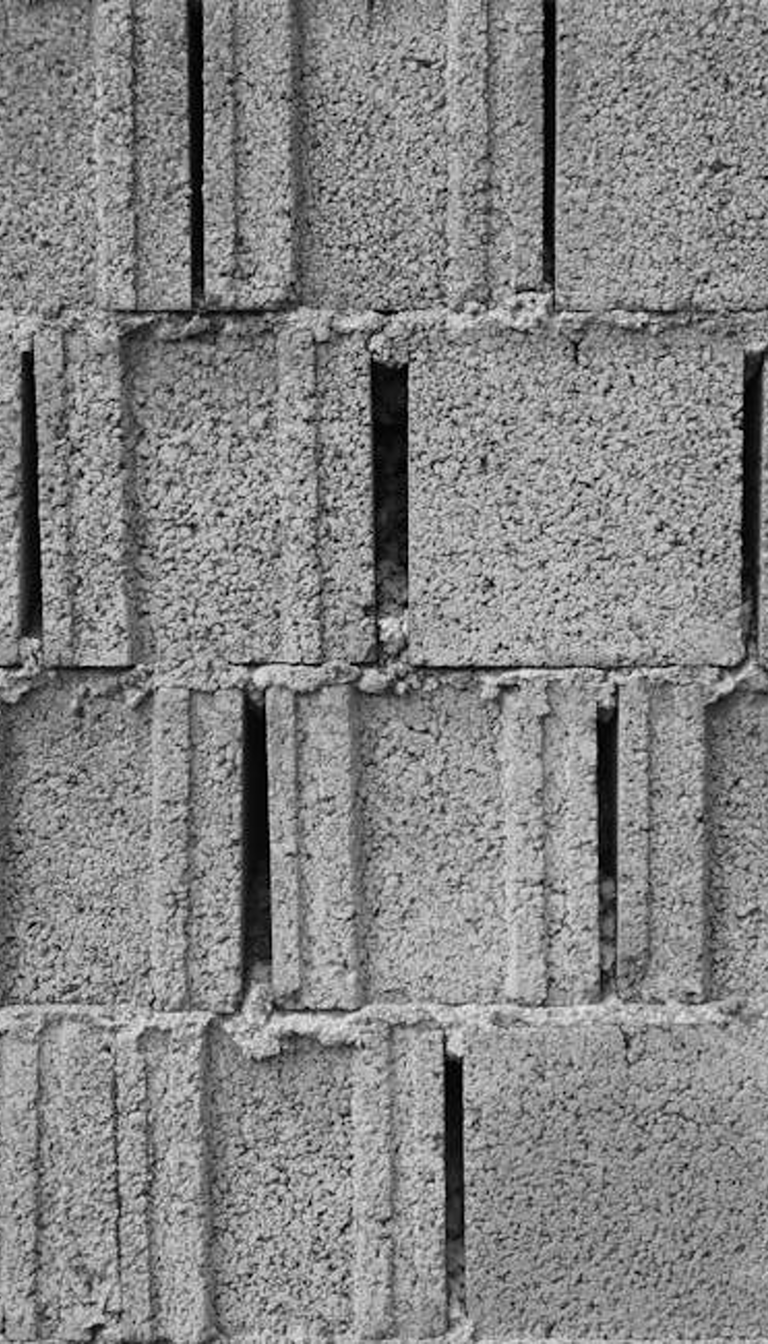
The cinder block was the brick of the poor. Eight inches by sixteen inches by eight inches. Gray. Hollow. Made from cement and coal ash and whatever the factory had left over from the last batch. The cinder block did not pretend to be beautiful. The cinder block showed up and did its job.
You could build a wall in a day with cinder blocks. Two men and a level and a bucket of mortar and by sundown you had a wall. The wall would not be pretty. The wall would not be featured in a magazine. But the wall would stand and the wall would hold and the wall would be there when you came back in the morning. The cinder block was the blue collar of building materials.
My uncle built a garage on East Fourth Street with cinder blocks he found behind a construction site on the Bowery. Sixty blocks. Free. He carried them home two at a time in a wheelbarrow. The garage stood for thirty years. When they tore it down the cinder blocks were harder to break than the concrete around them. The blocks outlasted the purpose.
The cinder block was the bookshelf of the college student. Two blocks and a board was a shelf. Four blocks and two boards was a bookcase. The cinder block was the furniture of the person who could not afford furniture. The cinder block did not judge your income. The cinder block held your books the same way it held a wall.
Nobody builds with cinder block in Manhattan anymore. Too ugly. Too heavy. Too honest. They build with glass and steel and composite panels that look like stone but weigh nothing. The new buildings are light. The new buildings are smooth. The new buildings do not show you what they are made of. The cinder block showed you everything. The cinder block had nothing to hide.
See also: Cobblestone, Slate Sidewalk