 DAVID PEEL
Cigar Store
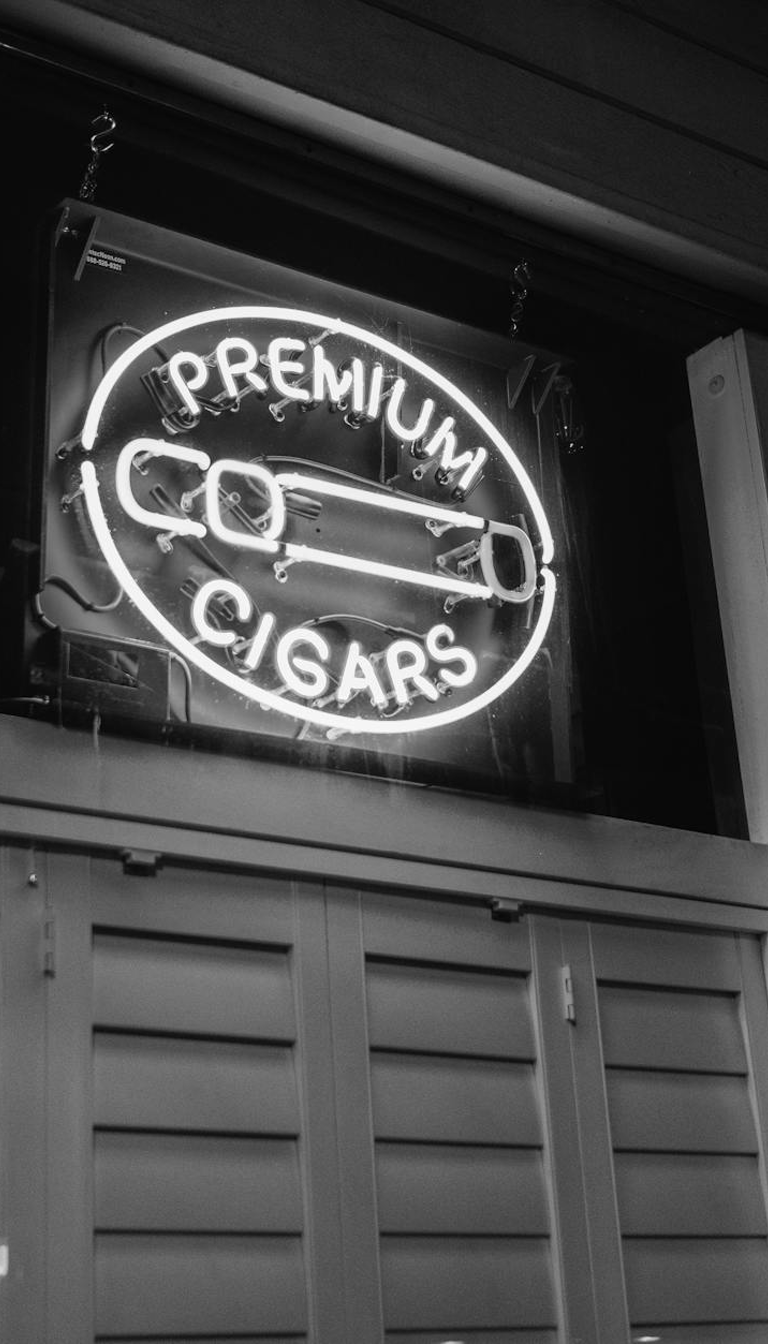
The cigar store was the office of the street. The man who ran it knew everything that happened on the block because everybody came in and everybody talked. You bought a cigar and you heard about the fire on Clinton Street. You bought a newspaper and you heard about the landlord on Avenue C. The cigar store was the news wire of the neighborhood. No subscription. No broadcast. Just a man behind a counter who listened to everybody and repeated the good parts.
The wooden Indian stood outside. Nobody knew why a wooden Indian sold cigars but nobody questioned it. The Indian was the sign. If the Indian was there the store was open. If the Indian was gone somebody stole it. The wooden Indian was stolen more than any other object in the history of New York City. Bars stole them. Fraternity houses stole them. The wooden Indian was the most kidnapped citizen of the Lower East Side.
My cigar store was on Second Avenue near Tenth Street. The man behind the counter was named Murray and Murray had been selling cigars since 1949 and he could tell you what you wanted before you said it. He knew your brand. He knew your day. If you came in looking tired he gave you the strong one. If you came in looking broke he let you pay tomorrow. Murray ran a credit system based entirely on your face. No paperwork. No interest. Just a man who remembered what you owed because he remembered who you were.
The back of the cigar store had a table. The table had a card game. The card game had been running since the Eisenhower administration and nobody knew the stakes because the stakes changed depending on who was winning. The cigar store was the casino of the poor. No velvet. No chips. Just a table and five chairs and a pot that held maybe twelve dollars and the pride of five men who would rather lose twelve dollars than admit they could not play cards.
There are no cigar stores on Second Avenue now. The block has a vape shop. The vape shop does not have a wooden Indian. The vape shop does not have Murray. The vape shop has a teenager behind the counter who does not know your brand and does not know your day and does not let you pay tomorrow. The vape shop is a transaction. The cigar store was a relationship. Murray retired in 1988 and the store became a copy shop and the copy shop became a nail salon and the nail salon became the vape shop and every version of that address lost something that Murray had. Murray had your name. The vape shop has your credit card number.
See also: Candy Store, Newspaper Stand