 DAVID PEEL
Cigar Box
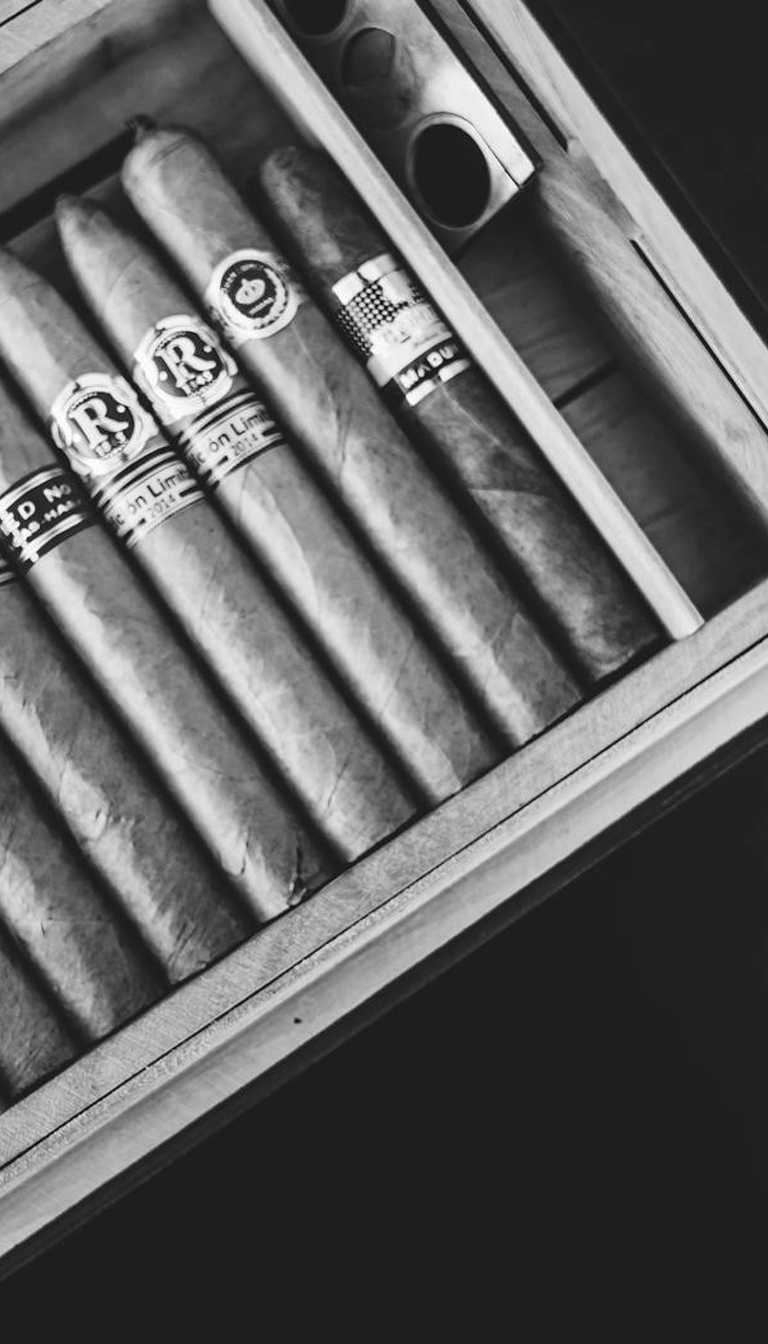
The cigar box was the first filing cabinet. Every family had one and inside the cigar box was everything that mattered. The birth certificate and the rent receipt and the Social Security card and the letter from the old country and the photograph of the grandmother who never made it over. The cigar box held your identity. It smelled like tobacco and cedar and the past.
The cigar box guitar was the first instrument on the street. You took the box and you nailed a broomstick to it and you strung it with wire and you had a guitar. It sounded terrible and it sounded perfect. The cigar box guitar did not care about tuning. It cared about intention. If you wanted to play you played. The cigar box did not ask for credentials.
I built a cigar box guitar on East Seventh Street in 1967. The box said La Flor de Cuba on the lid and the broomstick came from the hardware store on Avenue B and the strings were picture wire from the five-and-dime. The whole thing cost thirty-five cents. I played it on the corner of St. Marks Place and a man stopped and listened and said that is either the worst guitar or the best box he had ever heard. He was right about both.
The cigar box had a second life as a treasure chest. Every kid had one. You kept your marbles in it and your baseball cards and your best rock and the key to nothing. The cigar box was the safe deposit box of the poor. It locked with a rubber band. The security system was honor. Nobody opened somebody else's cigar box. That was the law.
You cannot find a cigar box anymore. The cigars come in plastic tubes and the plastic tube holds one cigar and then you throw it away. The cigar box held fifty cigars and then it held your life. The plastic tube holds nothing after the cigar is gone. The cigar box was a container that outlived its contents. The plastic tube is a container that barely survives them.
See also: Candy Store, Pawn Ticket