 DAVID PEEL
Cast Iron Stove
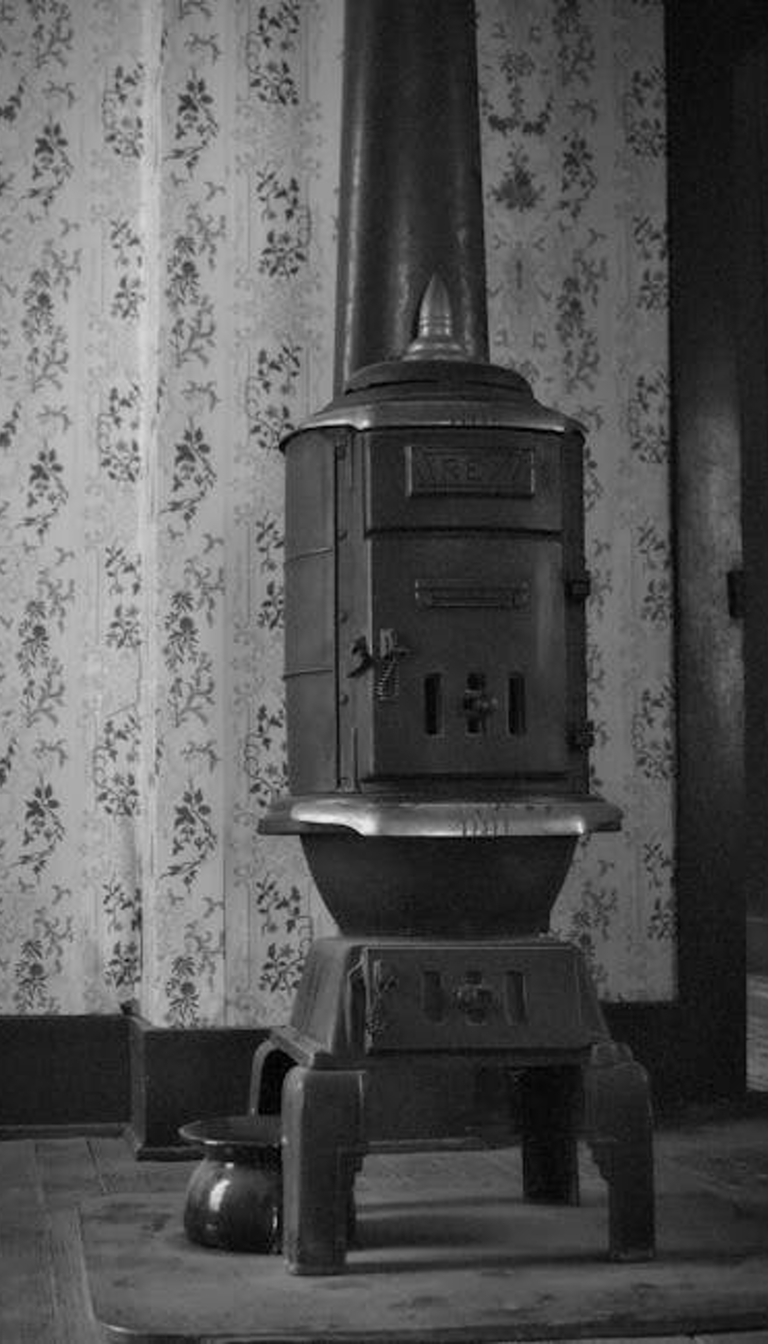
The cast iron stove sat in the kitchen like a monument. Black. Heavy. Hot to the touch from October to April. The stove heated the apartment and cooked the food and dried the clothes and warmed the hands and the stove did not care which job you gave it. The cast iron stove was the engine of the tenement.
My mother's stove on East Third Street was older than the building. Someone had brought it in before the walls went up. The stove had four burners and an oven and a flat top where you could put a pot of water and the water would be warm by morning. The stove never turned off in winter. Turning off the stove meant the pipes would freeze and the pipes freezing meant the building would flood and the building flooding meant the landlord would blame you. The stove stayed on.
The cast iron stove weighed three hundred pounds. When someone moved out of the building the stove stayed. Nobody could carry it down four flights of stairs. Nobody wanted to. The stove belonged to the apartment the way the floor belonged to the building. Tenants came and went. The stove remained. The stove had more seniority than the super.
You could tell the temperature outside by the color of the stove. Cherry red meant January. Orange meant February. Dull red meant March and you could start opening windows. The stove was the thermometer in reverse. The colder it got outside the hotter the stove got inside. The stove was always arguing with the weather.
They ripped out the cast iron stoves and put in gas ranges. Stainless steel. Clean lines. No weight. The gas range does not heat the apartment. The gas range does not dry the clothes. The gas range makes dinner and then it is done. The cast iron stove never clocked out. The gas range has office hours. I miss the stove that never stopped working.
See also: Brick Oven, Copper Pipe