 JOHN SINCLAIR
CAPSTONE
You place the capstone and the capstone is the last stone that completes the structure. The capstone sits on top and the sitting on top means the capstone is the final act. The wall rises course by course and each course is a layer of brick or stone and the laying of each course brings the wall closer to finished but the wall is not finished until the capstone is placed. The capstone covers the top of the wall and the covering the top protects the wall from rain. Water enters the wall from above. Water seeps into the mortar joints and the seeping into the mortar joints weakens the bond and the weakening the bond means the wall erodes from the inside. The capstone prevents this. The capstone is the hat the wall wears to stay alive.
The aluminum capstone of the Washington Monument weighs one hundred ounces and in eighteen eighty four aluminum was more precious than silver. The capstone is a small pyramid nine inches tall and the nine inches sits at the top of five hundred and fifty five feet of marble and granite and bluestone gneiss. Colonel Thomas Lincoln Casey chose aluminum because aluminum would not corrode and the not corroding meant the capstone would outlast a bronze or copper cap. The casting was done by William Frishmuth in Philadelphia and the casting in Philadelphia meant Frishmuth displayed the capstone on the floor of his workshop and invited people to step over it so they could say they had stepped over the top of the Washington Monument. The capstone was placed on December sixth eighteen eighty four and the placing on December sixth completed thirty six years of construction. The aluminum was engraved on its four sides with the names of the engineers and officials and the engraving on the sides means the capstone carries the credits the way the last frame of a film carries the credits. The capstone is also the lightning rod. The aluminum tip attracts lightning and conducts it down copper cables to the ground and the conducting to the ground means the capstone protects the monument twice. Once from rain. Once from lightning.
The capstone of the Great Pyramid of Giza was a pyramidion of gold-plated electrum and the gold-plated electrum caught the first light of morning before any other surface in Egypt. The pyramidion sat at the apex of four hundred and eighty one feet of limestone and the sitting at the apex meant the capstone was the closest point to the sun. The Egyptians called the capstone the benben and the benben was sacred because the benben represented the first mound of earth that rose from the primordial waters at the creation of the world. The benben stone at Heliopolis was kept in the Temple of the Sun and the keeping in the Temple meant the original benben was a cult object before it was an architectural element. The capstone of the Great Pyramid has been missing for thousands of years. No one knows when it disappeared. The pyramid stands without its capstone and the standing without means the pyramid is unfinished and the being unfinished is the state of everything that has lost its top. The Great Seal of the United States places a floating eye above an unfinished pyramid and the floating eye above the unfinished pyramid is the capstone that has not yet been placed. The work is not done. The capstone is waiting.
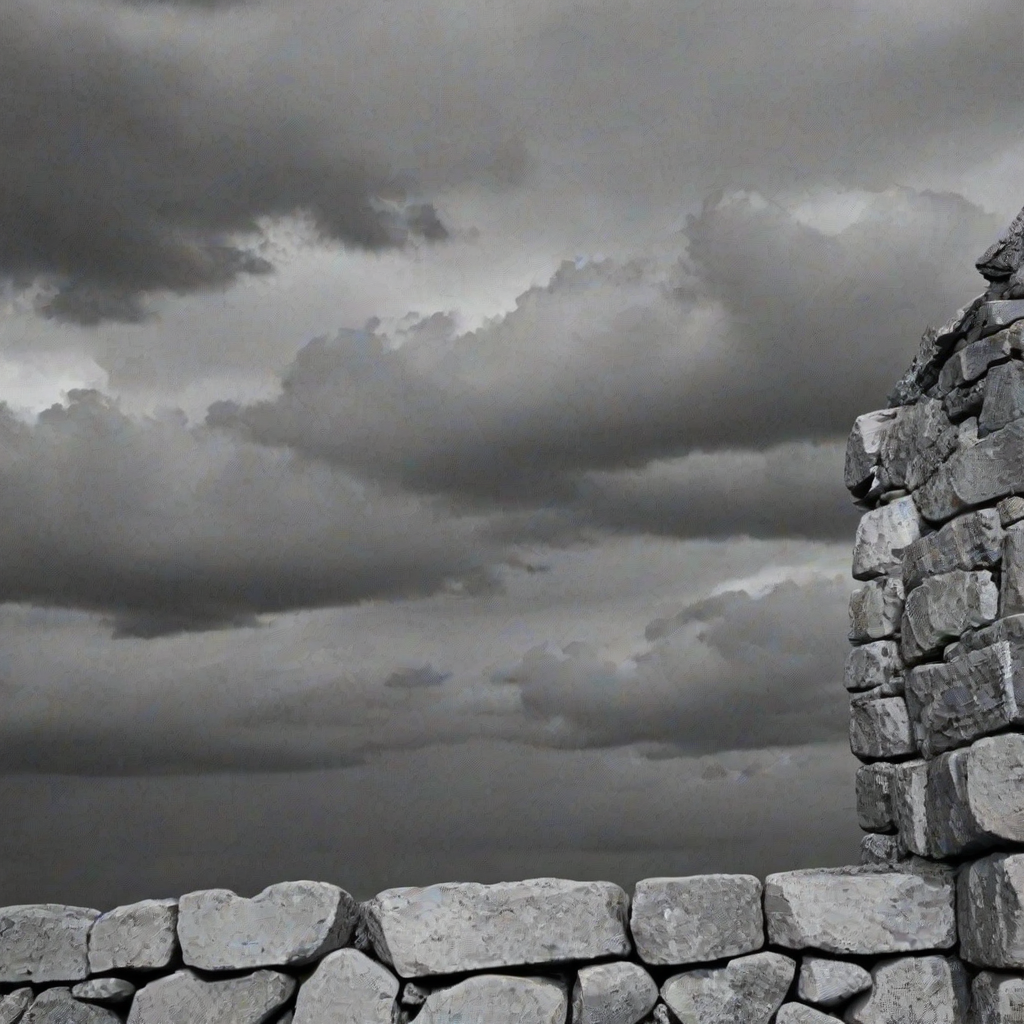
The capstone of every garden wall is the stone that keeps the rain out of the wall's heart. The garden wall capstone is not dramatic. The garden wall capstone is not aluminum or gold. The garden wall capstone is a flat stone or a shaped stone set in mortar on top of the wall and the setting in mortar means the capstone sheds water to both sides. A wall without a capstone is a wall with an open wound at the top. Rain enters. Frost follows. The frost expands in the mortar joints and the expanding in the mortar joints pushes the stones apart. One winter without a capstone can destroy a wall that took a mason a week to build. The capstone costs less than any other part of the wall. The capstone saves more than any other part. The cheapest stone does the most important work.
You look up at the capstone and the capstone looks down at everything the wall has built. The capstone. The last stone. The hat. The lightning rod. The one hundred ounces of aluminum at the Washington Monument. The missing gold at the Great Pyramid. The flat stone on the garden wall. The final act. The structure rises. The capstone completes it. The rain falls. The capstone sheds it. The work begins at the foundation and ends at the capstone and the ending at the capstone means the capstone is the period at the end of the sentence the building writes.