 JOHN SINCLAIR
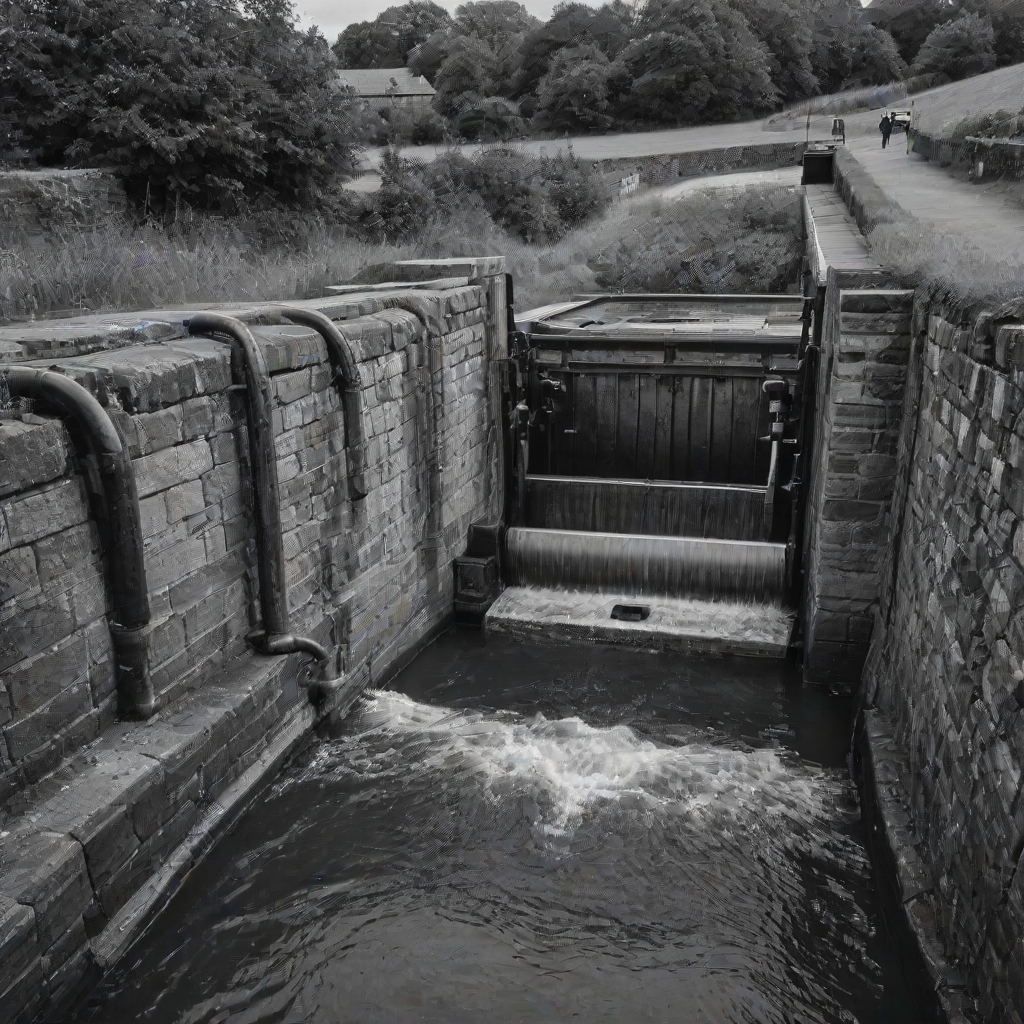
CANAL LOCK
You watch the canal lock fill and the filling is the water lifting the boat and the lifting the boat is the lock solving the problem of elevation. Water does not flow uphill. Boats do not float uphill. The canal lock makes the boat go uphill by raising the water the boat sits on and the raising the water the boat sits on is the lock's trick which is not to move the boat but to move the water. The boat enters the lock. The gate closes behind. The valve opens. The water rises. The boat rises with it. The upper gate opens. The boat proceeds. The lock is a room made of water and the room changes height.
The Panama Canal has six locks and the six locks lift ships eighty five feet above sea level and the lifting eighty five feet connects the Atlantic to the Pacific. The canal was built between nineteen oh four and nineteen fourteen and the building between nineteen oh four and nineteen fourteen cost twenty five thousand lives mostly from malaria and yellow fever and the twenty five thousand lives is the human price of connecting two oceans. The Gatun Locks on the Atlantic side are three chambers in a row and each chamber lifts the ship twenty eight feet and the three lifts of twenty eight feet raise the ship to Gatun Lake which is eighty five feet above sea level. The ship crosses the lake. The Pedro Miguel and Miraflores Locks on the Pacific side lower the ship back down. The lock chambers are a thousand feet long and a hundred and ten feet wide and the thousand feet long and hundred and ten feet wide was large enough for every ship in the world in nineteen fourteen but by the twenty first century the ships had outgrown the locks and the outgrowing the locks required the new Neopanamax locks which opened in twenty sixteen.
The Caen Hill flight in Wiltshire has twenty nine locks in two miles and the twenty nine locks were the engineering that made the Kennet and Avon Canal possible. John Rennie designed the flight in seventeen ninety four and the flight climbs two hundred and thirty seven feet from the Avon valley to the summit level. The locks are spaced so close together that each lock's top gate is the next lock's bottom gate and the top gate being the bottom gate of the next means the flight looks like a staircase and the looking like a staircase is exactly what it is. A boat ascending Caen Hill takes five hours to pass through twenty nine locks and the five hours is five hours of opening gates and closing gates and filling chambers and draining chambers and the opening and closing and filling and draining is the labor of the lock which is the labor of lifting water.
The Erie Canal had eighty three locks between Albany and Buffalo and the eighty three locks were what connected the Great Lakes to the Atlantic Ocean and the connecting the Great Lakes to the Atlantic changed American history. Before the Erie Canal goods moved from the interior by wagon and the wagon cost a hundred dollars per ton to move from Buffalo to New York. After the Erie Canal the cost dropped to four dollars per ton and the dropping to four dollars meant the West could sell its grain and timber to the East and the selling to the East made New York the busiest port in America. The locks of the Erie Canal were built by men who had never built a lock before and the never built a lock before meant they learned by building and the learning by building was the American way. The canal opened in eighteen twenty five. Within ten years New York had surpassed Philadelphia and Boston as the commercial capital of the country. The locks did that. Eighty three rooms of water lifting boats that carried grain that fed the city that became the center.
You watch the gate close and the chamber fills and the filling takes eight minutes and the eight minutes is the patience of the lock. The lock does not rush. The lock cannot rush because water fills at the speed water fills and the speed water fills is gravity and gravity does not hurry. The boat rises slowly. The captain stands on deck and waits. The water climbs the walls of the chamber and the climbing the walls is the water measuring its own progress. The boat rises a foot. Two feet. Five feet. Ten feet. The water reaches the level of the upper canal and the reaching the level means the gate can open and the gate opens and the boat moves forward and the moving forward is the boat continuing its journey at a higher elevation. The canal lock. The chamber. The gate. The valve. The water that rises and lifts the boat. The staircase that water climbs. The room that changes height. The patience. The eight minutes. The boat goes up. The water does the work.