 JOHN SINCLAIR
CAISSON
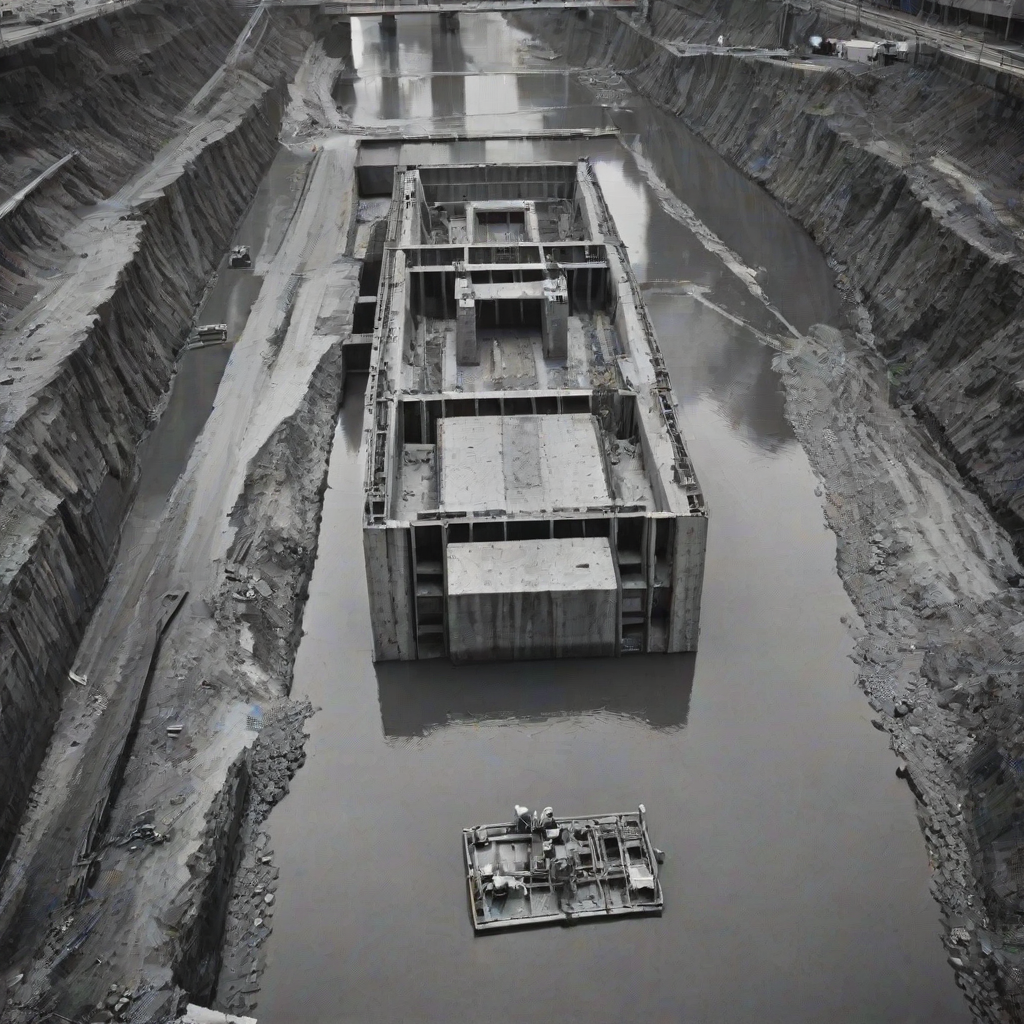
You descend into the caisson and the caisson is the box that lets you work underwater in dry air. The caisson is a chamber sunk into the riverbed and the chamber is sealed and the sealed chamber is pumped full of compressed air and the compressed air pushes the water out and the pushing the water out means men can work at the bottom of the river as if they were on dry land. The caisson is the room beneath the water. The caisson is the foundation beneath the foundation. The bridge starts at the caisson because the caisson is where the bedrock is and the bedrock is where the weight must go.
The caissons of the Brooklyn Bridge went seventy eight feet below the East River and the seventy eight feet took three years and killed twenty men. Washington Roebling supervised the construction from the caisson and the supervising from the caisson meant Roebling spent hours in compressed air at the bottom of the river. The caisson on the Brooklyn side was a timber box one hundred and sixty eight feet long and one hundred and two feet wide and the timber box was the size of a city block. The men inside the caisson dug through sand and mud and boulders in candlelight and the digging in candlelight at the bottom of the river was the work and the work was dangerous because the compressed air caused caisson disease. The men called it the bends. The men came up too fast and the coming up too fast meant the nitrogen in their blood formed bubbles and the bubbles caused paralysis and pain and death. Roebling himself got the bends. Roebling was partially paralyzed for the rest of his life. He watched the bridge being completed through a telescope from his bedroom window.
The sandhogs who dug the caissons for the Lincoln Tunnel worked in fifty pounds per square inch of compressed air. The Lincoln Tunnel connects New York to New Jersey under the Hudson River and the connecting under the Hudson meant the caisson had to be sunk through river silt and rock. The sandhogs were a special breed of laborer. The sandhogs descended into the shaft and entered the caisson through an airlock and the airlock was the door between normal pressure and compressed air. The transition took minutes. The body adjusted. The ears popped. The voice changed pitch in the dense air. The sandhogs worked four hour shifts because four hours was the maximum safe exposure at fifty pounds. The sandhogs dug with shovels and dynamite and the shovels and dynamite carved the tunnel through the rock foot by foot. The Holland Tunnel before it used the same method. The sandhogs union Local 147 has been digging under New York since eighteen eighty and the digging since eighteen eighty means four generations of sandhogs have built the tunnels and foundations that hold the city up.
The pneumatic caisson was invented by Thomas Cochrane in eighteen thirty and the inventing in eighteen thirty meant engineers could finally build foundations below the waterline. Before the caisson foundations were built by piling. The piles were driven into the riverbed and the driving into the riverbed meant the foundation sat on whatever the piles could reach. If the piles could not reach bedrock the foundation sat on sand and the sitting on sand meant the structure could settle or shift. The caisson went deeper. The caisson went to bedrock. The caisson meant the foundation was permanent because bedrock is permanent. The Eads Bridge in Saint Louis used caissons that went a hundred and thirty six feet below the Mississippi and the hundred and thirty six feet was the deepest anyone had ever dug with compressed air. James Eads lost twelve men to caisson disease during the construction. The bridge opened in eighteen seventy four. The bridge still stands because the caissons reached the rock.
You stand in the caisson and the air is thick and the thick air is the pressure and the pressure is what keeps the river from coming in. The walls sweat. The candles burn brighter in the dense air. The sound is muffled. The men dig and the digging sends the caisson deeper inch by inch and the deeper inch by inch is the progress and the progress is measured in feet per week. The caisson. The box at the bottom of the river. The seventy eight feet under the East River. The fifty pounds of compressed air. The sandhogs of Local 147. The bends. The bedrock. The room where the bridge begins. You are below the water and the water does not know you are there. The caisson holds. The air holds. The men dig. The bridge above does not know what it cost to stand.