 JOHN SINCLAIR
BUS STATION
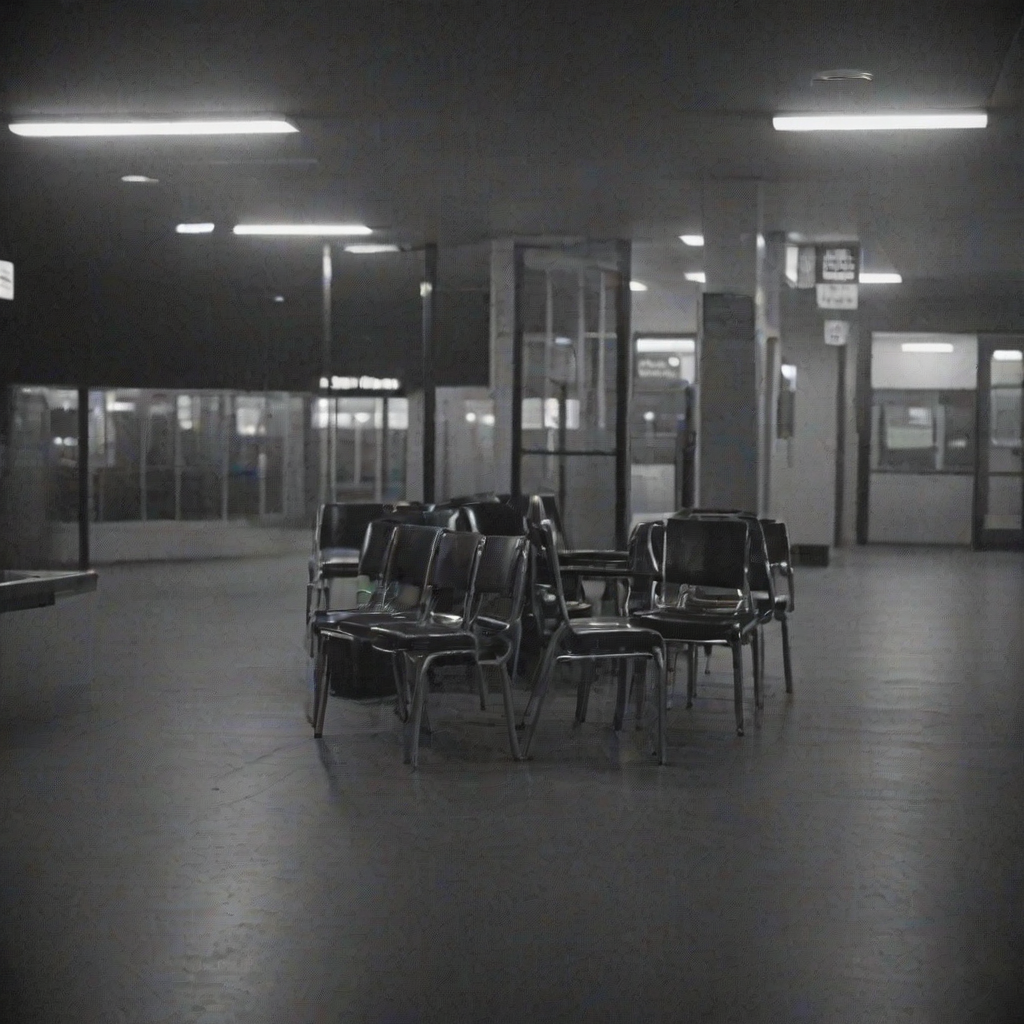
You sat in the bus station and the bus station smelled like diesel and floor wax and the combination was the smell of leaving. The bus station was the airport of the poor. The bus station did not have a first class lounge. The bus station had plastic chairs bolted to the floor and the bolting was the same as the laundromat and the same as the public pool and the sameness was the design language of American institutions that serve people who cannot afford alternatives. You bought a ticket at the counter and the ticket had a destination and the destination was the promise. The promise was that in fourteen hours you would be somewhere else and the somewhere else was the product and the product was escape or reunion or starting over and the starting over was the reason most people were in the bus station at two in the morning.
Carl Eric Wickman started what became Greyhound in nineteen fourteen in Hibbing Minnesota. Wickman was a Swedish immigrant who could not sell a Hupmobile so he drove it between Hibbing and Alice for fifteen cents a ride and the fifteen cents was the founding of the largest intercity bus network in the world. By nineteen thirty Greyhound had routes across the country and the routes were the democracy of distance. The railroad required a station and the station required a town and the town required a population. The bus required a road and America had roads everywhere. The bus could stop at a gas station or a drugstore or a crossroads with a sign and the stopping at a crossroads with a sign meant the bus served towns that the railroad had never heard of. Greyhound's Art Deco terminals were designed by W. S. Arrasmith in the nineteen thirties and forties and the terminals had curved walls and chrome trim and neon signs and the design said that traveling by bus was modern and the modern was the dignity that the bus needed because the bus was already being called the poor man's transportation and the calling was the class and the class was the wound.
The bus station was where the Freedom Riders changed America. On May fourth nineteen sixty one thirteen riders boarded two buses in Washington D.C. and headed south to test the Supreme Court's ruling that segregated interstate bus terminals were unconstitutional. The ruling was Boynton v. Virginia and the ruling said the law and the bus stations said otherwise. In Anniston Alabama a mob firebombed one bus and beat the riders on the other. In Birmingham Bull Connor's police gave the Klan fifteen minutes to attack before intervening. In Montgomery the riders were beaten with pipes and baseball bats on the loading platform of the bus station and the loading platform was where the law met the hatred and the hatred won that day but lost the year. The Freedom Riders proved that the bus station was not just a building. The bus station was the place where the federal government's promise met the local government's refusal and the meeting was violent and the violence was broadcast and the broadcasting changed everything.
The waiting room was the room where time moved differently. You arrived two hours early because missing the bus meant waiting eight hours for the next one and the waiting eight hours was the punishment that the bus station inflicted on the unpunctual. You sat in the waiting room and you watched the departure board and the departure board was the list of possibilities. Nashville. Memphis. Little Rock. El Paso. Los Angeles. The cities were listed in order of departure time and the order was the narrative and the narrative was that America is a country you can cross for eighty nine dollars if you are willing to sit in a seat that does not recline all the way and eat from vending machines and sleep with your head against a window that vibrates. The person next to you was a soldier or a grandmother or a man who had just been released from prison and the just been released was not a guess. The man told you because the bus station was the confessional of American transportation. The bus station was where people told strangers things they had never told anyone because the stranger was getting off in Memphis and the getting off in Memphis meant the secret left with the stranger.
The bus station is vanishing because the bus is vanishing. Greyhound carried twenty six million passengers in two thousand and nineteen. Greyhound carried twelve million in two thousand and twenty three. The vanishing is not because people stopped needing to travel. The vanishing is because the car became cheaper relative to the bus and the cheaper meant that the bus lost its riders to used Corollas and the used Corollas did not stop in Anniston or Montgomery or any of the towns that the bus once connected. Greyhound has closed hundreds of stations. The small towns that the bus once served are now served by nothing and the nothing is the isolation that America does not measure. The bus station that remains is smaller than it was. The waiting room has fewer chairs. The departure board has fewer cities. The vending machines have fewer options. But the bus station is still the place where you can buy a ticket to somewhere else and the somewhere else is still the product and the product is still escape or reunion or starting over and the starting over still costs eighty nine dollars and the eighty nine dollars is still the cheapest price in America for the chance to become someone new.