 JOHN SINCLAIR
BRICK
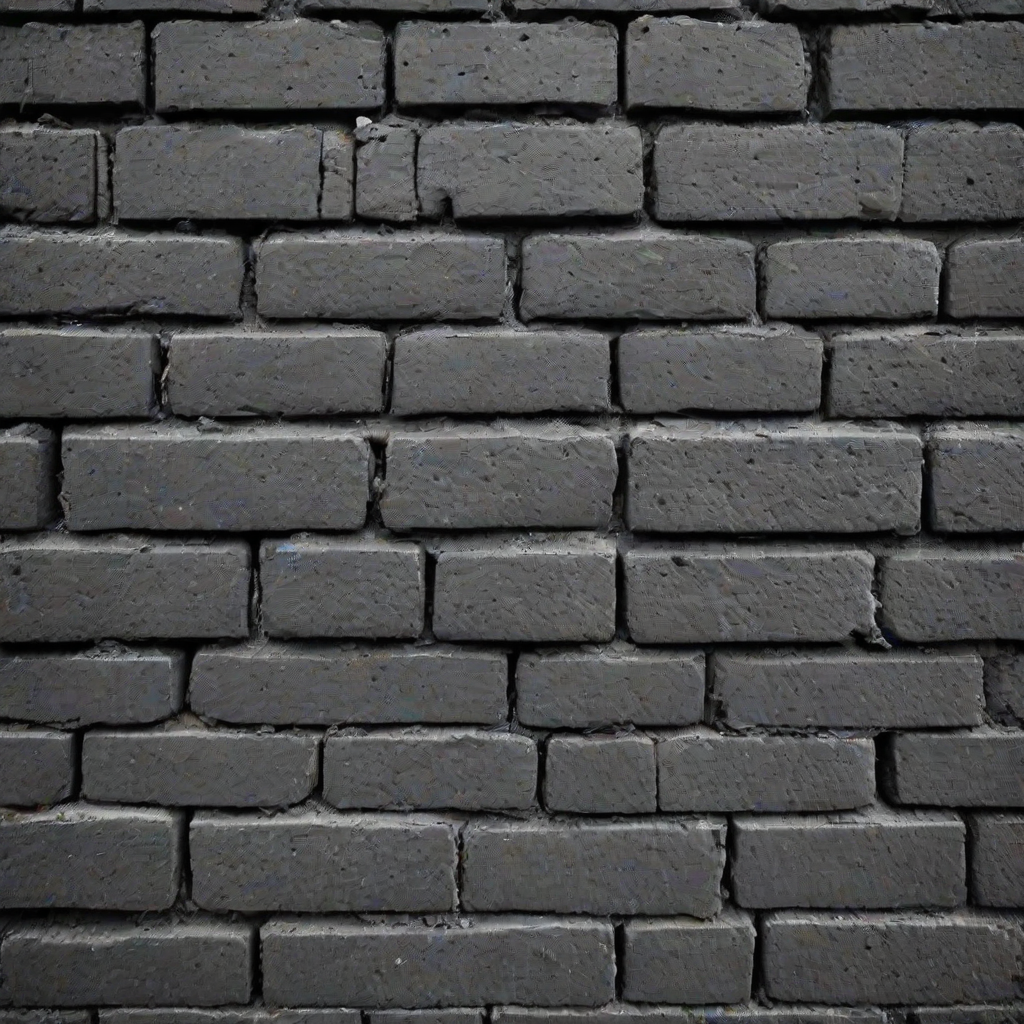
You look at the brick and the brick is the oldest manufactured building material still in daily use. The brick is clay and water and fire. The clay is dug from the earth and the water is mixed with the clay and the fire hardens the mixture and the hardening is the brick and the brick is the beginning. The brick is small enough to hold in one hand. The brick is heavy enough to stay where you put it. The brick is the unit of the wall and the wall is the unit of the building and the building is the unit of the city. The city is made of bricks. The city has always been made of bricks.
The bricks of Mohenjo-daro in the Indus Valley were fired four thousand five hundred years ago and the fired four thousand five hundred years ago means the brick outlasted the civilization that made it. The civilization is gone. The people are gone. The language is lost. The bricks remain. The bricks are still there in the ruins of Mohenjo-daro and the bricks are still the same dimensions they were when the brickmaker formed them and the same dimensions after four thousand five hundred years is the brick's permanence and the permanence is the message which is that the brick endures. The Romans made bricks. The Babylonians made bricks. The Chinese made bricks for the Great Wall and the Great Wall is thirteen thousand miles of bricks and the thirteen thousand miles of bricks is the longest wall ever built and the longest wall ever built is made of the simplest unit ever invented.
The London stock brick built the city that ruled a quarter of the earth. The London stock brick is yellow-brown and the yellow-brown comes from the clay of the Thames Valley and the clay of the Thames Valley has been made into bricks since the Romans occupied London. The Georgian terraces are London stock brick. The Victorian warehouses are London stock brick. The council estates are London stock brick. London is a brick city and the brick city is the city that burns less. After the Great Fire of sixteen sixty six London rebuilt in brick instead of wood because the brick does not burn and the not burning was the lesson of the fire and the lesson of the fire was paid for by the destruction of thirteen thousand houses. Brick replaced wood because fire taught London that wood kills.
In Sinclair's Detroit the brick was everywhere. The brick factories on the east side made the bricks that built the houses that the auto workers lived in and the auto workers living in brick houses was the middle class and the middle class was built of brick. The bungalows of Detroit are brick. The apartment buildings of Detroit are brick. The factories of Detroit are brick. Albert Kahn designed the factories of Detroit and Albert Kahn built them in brick and concrete and the brick and concrete was the architecture of industry. The Packard Plant is brick. The Michigan Central Station has a brick base. The abandoned houses of Detroit are brick and the brick of the abandoned houses is being stripped and sold and the stripping and selling is the scavengers turning Detroit's buildings back into units and the turning back into units is the brick returning to the market.
You pick up a brick and the brick fits your hand and the fitting your hand is the design. The brick was designed for the hand. The brick was sized so that a man could hold it in one hand and lay mortar with the other and the holding in one hand and laying mortar with the other is the bricklayer's rhythm and the bricklayer's rhythm is the building going up one brick at a time. One brick at a time. That is how every brick building was built. One brick at a time. The Empire State Building has ten million bricks. Ten million times a bricklayer picked up a brick and set it in mortar and moved to the next one. The brick. The unit. The clay rectangle. The fired earth. The oldest manufactured thing still being manufactured. The thing you hold in one hand that becomes a wall that becomes a building that becomes a city. One at a time. One at a time. One at a time.