 JOHN SINCLAIR
BREAKWATER
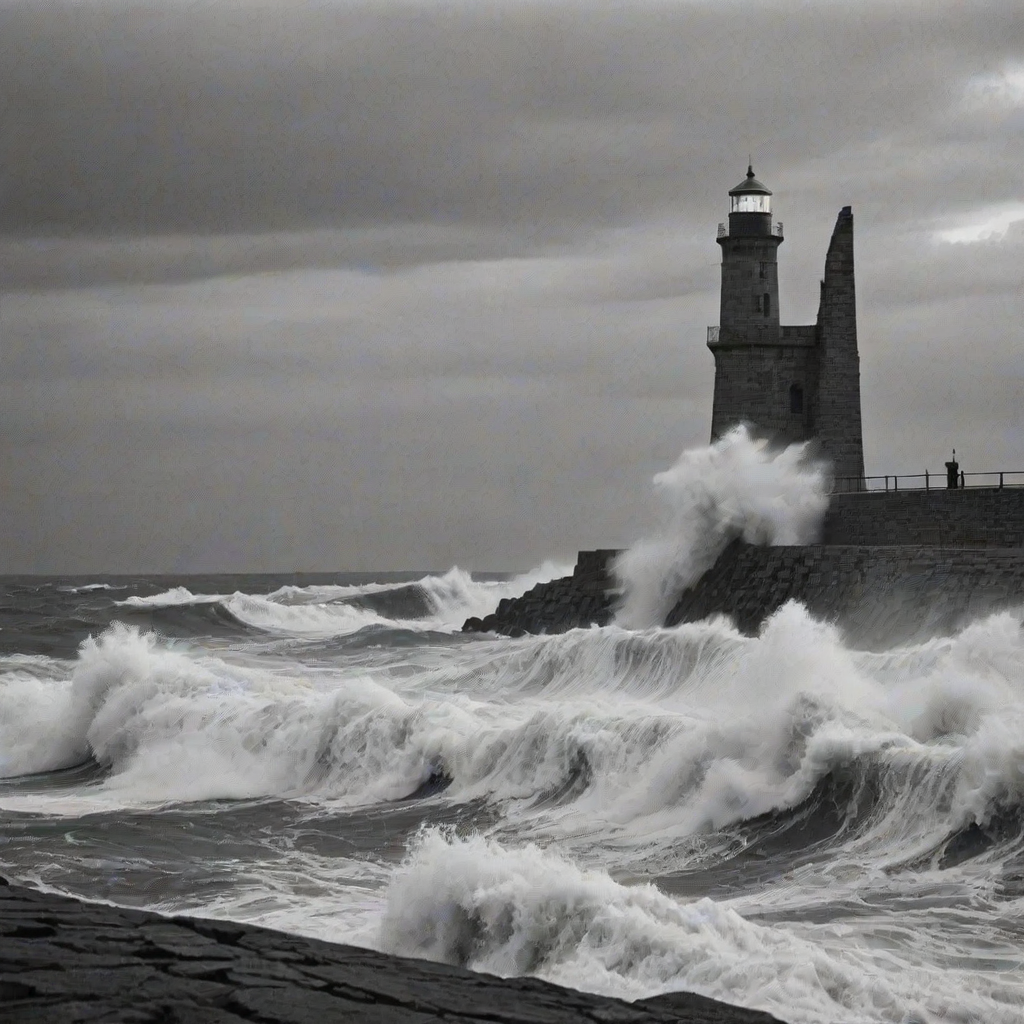
You see the breakwater and the breakwater is the wall that fights the sea. The breakwater sits in the water. The breakwater is not on the shore. The breakwater is out in the harbor or across the mouth of the bay and the out in the harbor means the breakwater meets the waves before the waves reach the ships and the meeting the waves before they reach the ships is the breakwater's purpose. The breakwater absorbs. The breakwater deflects. The breakwater takes the energy of the open ocean and turns it into calm water on the other side and the calm water on the other side is the harbor.
The Plymouth Breakwater took twenty four years to build and the building for twenty four years was the longest battle between stone and ocean in British history. John Rennie designed the breakwater in eighteen eleven and the Royal Navy needed it because Plymouth Sound was exposed to Atlantic storms and the exposed to Atlantic storms meant the fleet could not anchor safely. The breakwater is one mile long. The breakwater sits in sixty feet of water. Four million tons of limestone were dumped into the sea to build the base and the four million tons of limestone is a number that means nothing until you imagine four million tons of rock being quarried and loaded onto barges and sailed out to the site and dumped into the water and the dumping into the water meant most of the rock sank into the seabed and disappeared. The sea ate the rock. More rock was dumped. The sea ate that too. Rennie kept dumping. The breakwater rose above the waterline in eighteen forty one. Thirty years of dumping rock into the sea.
The breakwaters of Cherbourg protected Napoleon's fleet and the protecting Napoleon's fleet took seventy years because the sea at Cherbourg destroyed every attempt to build. Louis the Sixteenth began the breakwater in seventeen eighty three by sinking ninety wooden cones filled with stone into the harbor mouth. The sea smashed the cones. Napoleon ordered a new design in eighteen oh three. The sea smashed that too. The breakwater was finally completed in eighteen fifty three under Napoleon the Third. Seventy years. Three rulers. The same sea. The breakwater at Cherbourg is the longest artificial breakwater in the world at two and a half miles and the two and a half miles encloses the largest artificial harbor in the world. The harbor that took seventy years to build sheltered the Allied fleet on D-Day in nineteen forty four. The breakwater that protected Napoleon's fleet protected Eisenhower's fleet a century later.
In the Great Lakes the breakwaters protected the harbors that the ore boats used. The breakwater at Duluth extends two miles into Lake Superior and the extending two miles into Lake Superior was necessary because Lake Superior produces waves as large as ocean waves and the waves as large as ocean waves would destroy any ship docked at the harbor without the breakwater. The ore boats from the Mesabi Range entered between the breakwaters and the entering between the breakwaters was the passage from the open lake to the calm harbor. The lighthouse at the end of the Duluth breakwater is the most photographed lighthouse in America because the lighthouse sits at the end of the wall that holds back the lake and the holding back the lake is the drama and the drama is photogenic.
You stand on the breakwater and the waves hit the seaward side and the hitting the seaward side is the impact and the impact shakes the stone beneath your feet. The spray comes over the top. The wind pushes you. On the other side the water is still. On the other side the boats sit quietly at their moorings. The difference between the two sides of the breakwater is the difference between destruction and safety and the difference between destruction and safety is three feet of stone. The breakwater. The wall in the water. The mile of limestone. The seventy years at Cherbourg. The four million tons at Plymouth. The wall that does not stop the sea because you cannot stop the sea. The wall that breaks the sea. That takes the force and absorbs it and gives back calm. The breakwater. The sea hits it. The harbor is still.