 JOHN SINCLAIR
BOWLING ALLEY
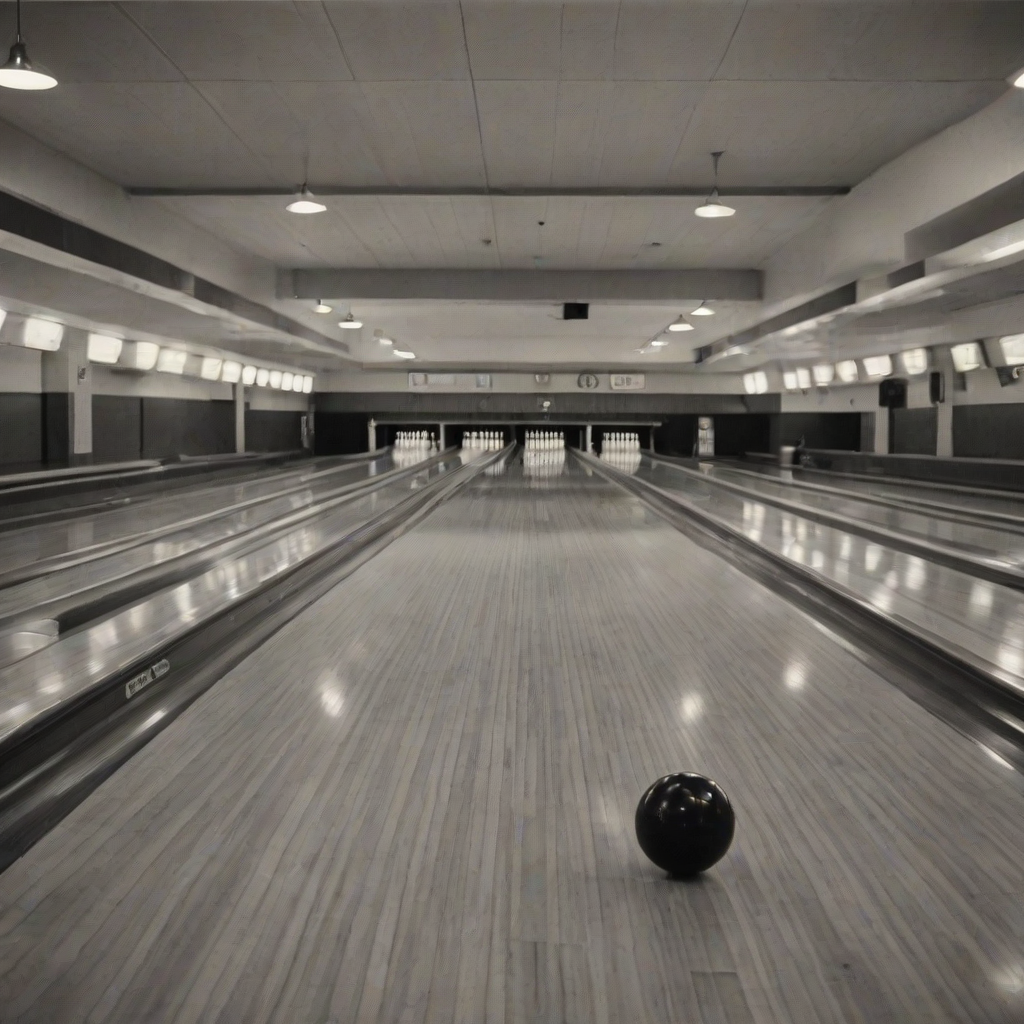
The bowling alley was the loudest quiet place in America. The crash of the pins was constant but the crash was expected and expected noise is not noise. Expected noise is atmosphere. You did not hear the pins after the first five minutes. You heard your team. You heard the conversation. The bowling alley was a bar with a sport attached and the sport was the excuse to be there on a Tuesday night when you had no other excuse. Nobody said I am going to the bowling alley because I am lonely. They said I am going bowling. But the bowling was not the reason. The reason was the same reason it was for the front porch and the roller rink and the drive-in. The reason was other people. The reason was always other people.
The American Bowling Congress was founded in eighteen ninety five in Beethoven Hall in New York City and the founding was an act of standardization. Before the Congress the pins were different sizes in different cities and the lanes were different lengths and the balls were different weights and the game was whatever the alley owner said it was. The Congress standardized everything. The lane is sixty feet from the foul line to the head pin. The pins are fifteen inches tall and weigh between three pounds six ounces and three pounds ten ounces. The ball weighs no more than sixteen pounds and has a circumference no greater than twenty seven inches. The standardization meant that a spare in Akron was the same as a spare in Albuquerque and the sameness created a national community of bowlers who could argue about scores across state lines because the scores meant the same thing everywhere. The standardization was democratic. The rules were the same for the factory worker and the doctor and the rules did not care who you were. The rules cared how you rolled the ball.
The pin boy was the first job for a million American teenagers. Before the automatic pinsetter the pins were reset by hand by a boy who sat on a shelf above the pit and jumped down after each ball and gathered the fallen pins and placed them back in the triangle and jumped back up on the shelf before the next ball arrived. The pin boy was fast and underpaid and often hit by flying pins and the bruises were the wages. The American Machine and Foundry Company introduced the automatic pinsetter in nineteen fifty two and the machine replaced the pin boy overnight and the pin boy became a gas station attendant or a stock clerk and nobody mourned the pin boy because nobody mourns the job that a machine does better. But the machine did not do it better. The machine did it faster and cheaper and more reliably but the machine did not have a face. The pin boy had a face and the regular bowlers knew the pin boy's name and tipped the pin boy at the end of league night and the tip was the relationship and the relationship was the thing that the machine could not replicate.
The bowling league was the backbone of the bowling alley. Wednesday night was league night and league night was sacred. The teams had names and the names were sponsored by local businesses and the sponsorship paid for the shirts and the shirts had the business name on the back and the bowler's name on the front and the shirt was the uniform of belonging. You belonged to the Ace Hardware team or the Rotary Club team or the VFW Post 1138 team and the belonging was real even though the bowling was recreational. The league ran from September to April and the season followed the school year because the bowlers were parents and the parents needed the children in bed before they could leave for the alley. The trophy was plastic and gold colored and cost the league four dollars and the trophy meant everything because the trophy was evidence. The trophy said you showed up every Wednesday for thirty two weeks and you were part of something and the something was small and local and it was enough.
Robert Putnam wrote Bowling Alone in two thousand and published it and the title became a phrase that meant the decline of American community. Putnam's data showed that more Americans were bowling than ever before but fewer Americans were bowling in leagues. The solo bowler spent less time at the alley and drank less beer and talked to fewer people and the alley made less money per visit and the margins thinned and the alleys closed. The ones that survived added laser lights and glow in the dark pins and bumper lanes for children and cosmic bowling on Saturday nights and the additions were desperate and some of them worked. But the additions changed what the bowling alley was. The bowling alley was not a spectacle. The bowling alley was a room where you rolled a ball at ten pins and talked to your neighbor between frames and the talking was the product and the bowling was the packaging. You cannot sell talking. You cannot charge admission for conversation. So the bowling alleys sold bowling and hoped the conversation came with it and for fifty years it did and then it stopped and Putnam wrote the book and the book told America what the empty lanes already knew. You can bowl alone. But alone is not bowling.