 JOHN SINCLAIR
BOILER
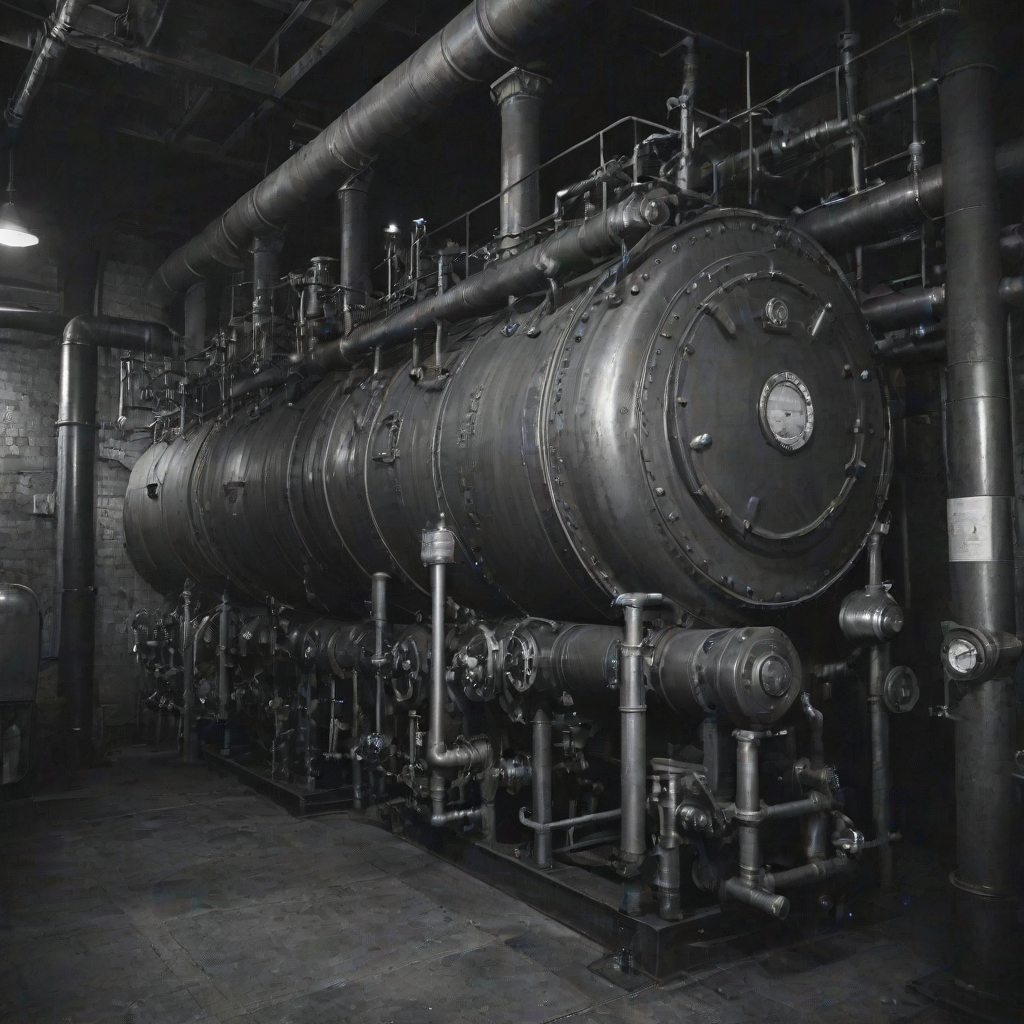
You hear the boiler and the hearing is the low roar of water becoming steam. The boiler is a closed vessel filled with water and the water is heated and the heating turns the water into steam and the steam expands and the expanding creates pressure and the pressure is energy and the energy is what the steam engine runs on. The boiler is the heart of the steam age. The boiler made the factory possible because the boiler powered the engines that turned the shafts that spun the belts that ran the machines. Before the boiler there was the waterwheel. After the boiler there was everything.
The boilers of the Titanic burned eight hundred and twenty five tons of coal a day and the eight hundred and twenty five tons heated water into the steam that turned the engines that pushed forty six thousand tons across the Atlantic at twenty three knots. The Titanic had twenty nine boilers and the twenty nine boilers were arranged in six boiler rooms and the six boiler rooms occupied the entire lower deck of the ship. The firemen shoveled coal into the furnaces twenty four hours a day and the shoveling twenty four hours meant the firemen worked four hours on and eight hours off because the heat in the boiler room was a hundred and twenty degrees. The coal had to be brought from the bunkers to the furnaces by hand and the bringing by hand meant a man carried coal in a wheelbarrow across a steel floor in a hundred and twenty degree room while the ship rolled. When the Titanic sank the boilers exploded from the cold water hitting the hot metal and the exploding boilers were the sounds the survivors heard underwater as the ship went down.
The Hartford steam boiler explosion of eighteen fifty four killed twenty one men and blew the building two hundred feet into the air. Before eighteen fifty four there was no regulation of steam boilers. Any man could build a boiler. Any man could operate a boiler. Any man could overpressure a boiler and the overpressuring meant the boiler exploded and the exploding meant the building exploded and the building exploding meant everyone inside died. Between eighteen hundred and eighteen eighty there were ten thousand boiler explosions in America and the ten thousand explosions killed fifty thousand people. The Hartford explosion led to the founding of the Hartford Steam Boiler Inspection and Insurance Company in eighteen sixty six and the founding in eighteen sixty six was the first time anyone inspected boilers for safety. The company sent inspectors to every factory and the inspectors tested the pressure and checked the rivets and measured the thickness of the metal. The Hartford company exists today as part of the insurance industry because the insurance industry was born from the need to make boilers safe.
In the tenements of New York the boiler was in the basement and the boiler in the basement heated the building through pipes that ran up through the floors and the pipes that ran up through the floors connected to radiators and the radiators heated the rooms. The building superintendent tended the boiler and the tending the boiler meant waking at four in the morning in winter to shovel coal into the firebox so the building was warm when the tenants woke. The radiators clanked. The radiators hissed. The radiators were too hot or not hot enough and the too hot or not hot enough was the constant complaint of the tenants. The boiler room smelled of coal and oil and rust and the smelling of coal and oil and rust was the smell of winter in New York. The boiler room was the warmest room in the building and the warmest room in the building was where the super lived in many tenements because the super lived near the machine he served.
You stand by the boiler and the boiler rumbles. The pressure gauge reads a hundred and fifty pounds and the hundred and fifty pounds is the force inside the vessel and the force inside the vessel is the steam wanting out. The safety valve sits on top and the safety valve is the last defense because the safety valve releases the pressure before the pressure releases itself. The boiler. The closed vessel. The eight hundred and twenty five tons on the Titanic. The explosion at Hartford. The tenement basement at four in the morning. The pressure vessel that powered the industrial world. The water goes in cold. The steam comes out hot. The boiler converts. The boiler transforms. The boiler takes water and fire and makes power and the making power is the oldest alchemy that actually works.