 JOHN SINCLAIR
BOARDING HOUSE
You rented a room and the room came with dinner. The boarding house was the first American institution that understood the most basic equation of arrival which was that a person who has just come to a new city needs a bed and a meal and does not yet know anyone who will provide either. The boarding house was run by a woman and the running by a woman was not incidental. The boarding house was one of the few businesses a woman could operate in the nineteenth century because the boarding house was an extension of the home and the extension of the home was the loophole that allowed women to earn money in a country that had decided women should not earn money. The landlady set the rules and the rules were the civilization. No drinking. No visitors after nine. Dinner at six and if you were late the food was cold and the cold food was the consequence.
The boarding house built America's cities. In eighteen fifty more than half the population of New York City either lived in a boarding house or took in boarders and the more than half meant the boarding house was not an alternative to the American home. The boarding house was the American home. Irish immigrants arriving at Castle Garden stepped off the boat and walked to a boarding house on the Lower East Side and the walking to a boarding house was the first act of every American life that began with a crossing. The boarding house near the factory was where the mill workers lived in Lowell Massachusetts and the living near the factory was the company's design because the Lowell mill girls were young women from New England farms and their parents would not let them go to the city unless the city provided a boarding house with a landlady who enforced a curfew and the enforcing of a curfew was the supervision that made industrialization possible. By eighteen eighty there were over a hundred thousand boarding houses in America and the hundred thousand was the infrastructure of migration that no government built and no government funded.
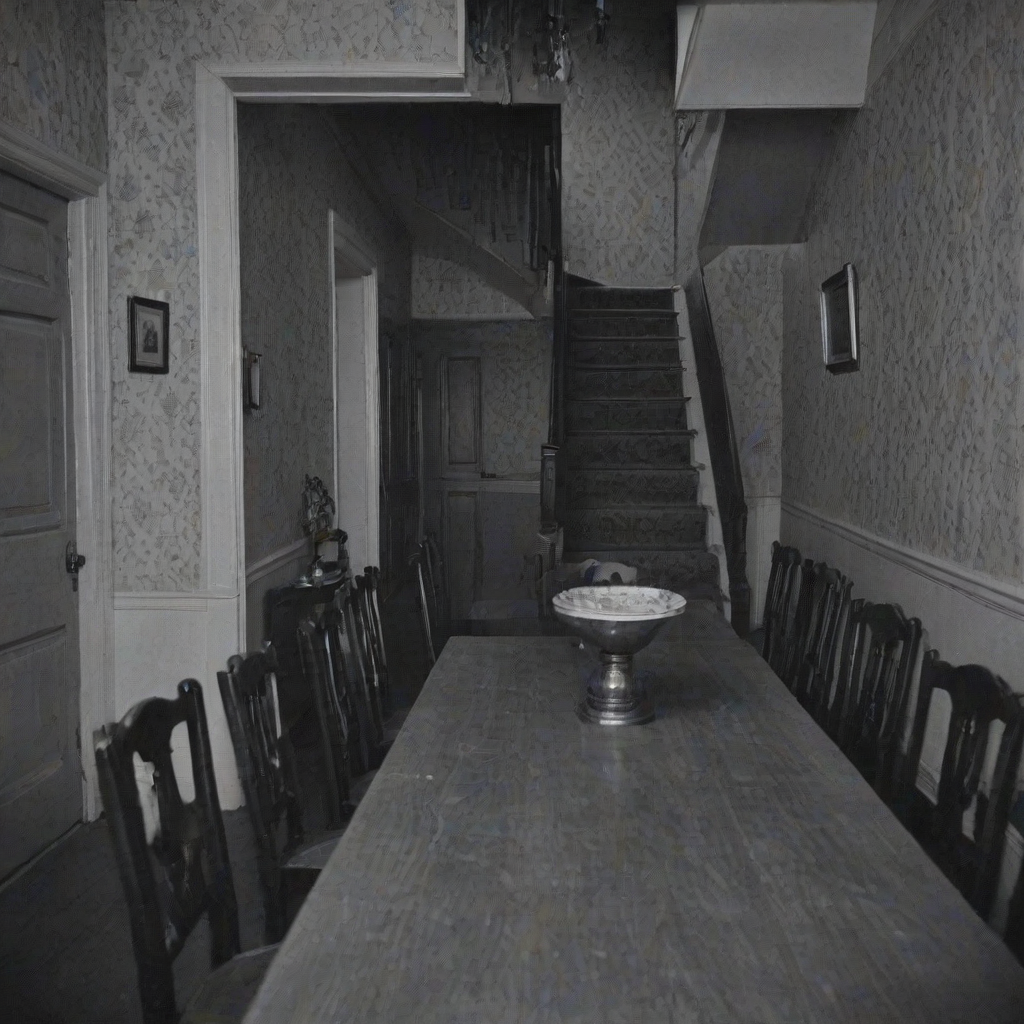
The boarding house table was where strangers became a household. You sat at a long table with twelve people and the twelve people were a clerk and a teacher and a telegraph operator and a traveling salesman and a widow and a man who said he was a doctor and might have been. The landlady served the food family style and the serving family style meant you passed the potatoes to a person whose name you had learned yesterday and the passing of potatoes to a person whose name you had learned yesterday was the intimacy and the intimacy was involuntary and the involuntary was the democracy. The boarding house was where Abraham Lincoln lived when he first came to Springfield Illinois. The boarding house was where Stephen Crane wrote Maggie: A Girl of the Streets. The boarding house was where countless American stories began because the boarding house was the staging ground and the staging ground was where you lived while you figured out who you were going to become in this city that did not yet know your name.
The parlor was the room where the boarders gathered after dinner and the gathering was the society. The parlor had a piano that someone could play and the someone who could play was the entertainment. The parlor was where courtships happened under the landlady's eye and the landlady's eye was the chaperon that propriety required. The parlor was where the boarders read the newspaper aloud and discussed the election and the discussing of the election in a room full of strangers who shared a bathroom was the political discourse of nineteenth century America. The single room upstairs had a bed and a washstand and a hook on the door for your coat and the hook on the door for your coat was all the closet space you had and the all the closet space you had was enough because you owned one suit. The room cost between two and five dollars a week and the two to five dollars included three meals a day and the three meals a day was the economy that made the boarding house work because the landlady could feed twelve people for less than twelve people could feed themselves.
The boarding house is gone. Zoning laws killed it. Cities passed ordinances in the early twentieth century that separated residential from commercial and the separating meant a house could not also be a business and the house that could not also be a business was the end of the boarding house. The single room occupancy hotel replaced the boarding house and the replacing was the downgrade because the hotel did not serve dinner and the not serving dinner meant you ate alone and the eating alone was the isolation that the boarding house had solved. The apartment replaced the boarding house for the middle class and the replacing was the privacy that Americans decided they wanted more than community and the wanting privacy more than community was the choice that defined the twentieth century. Nobody passes the potatoes to a stranger anymore. Nobody sits at a long table with twelve people they did not choose. Nobody lives in a room with a hook on the door for their coat and eats three meals cooked by a woman whose rules are the civilization. The boarding house understood something about arrival that America has forgotten which is that the person who has just come to a new city needs not just a bed and a meal but a table with other people at it and the other people at the table are the difference between arrival and loneliness.