 JOHN SINCLAIR
BENCH
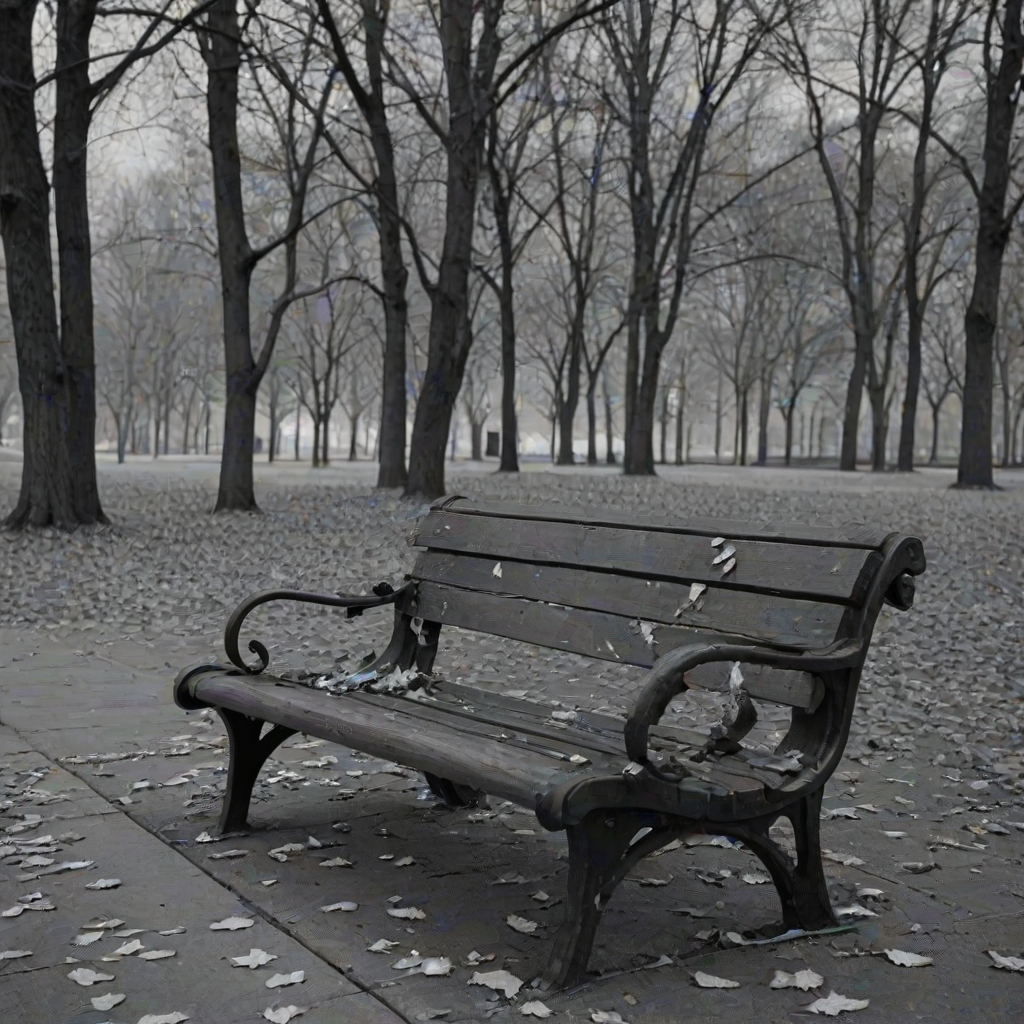
You sit on the bench and you are not going anywhere. The bench is the only piece of public furniture that asks nothing of you. The bench does not ask you to buy something. The bench does not ask you to move along. The bench does not ask your name. The bench says sit and you sit and the sitting is the entire transaction. The bench has been in the same spot for years and the bench has held thousands of people and the bench does not remember any of them and the bench does not need to because the bench is not in the memory business. The bench is in the sitting business and business is good.
Forrest Gump told his entire life story from a bench at a bus stop in Savannah Georgia because the bench is where you wait and waiting makes people talk. The bench gave Forrest an audience. The audience did not choose to be there. The audience was waiting for a bus and Forrest was waiting for a bus and the waiting created the conditions for a story. That is what the bench does. The bench creates the conditions. The bench puts two strangers in the same place with nothing to do and the nothing becomes something because human beings cannot sit next to each other in silence forever. Someone will speak. The bench knows this. The bench has been engineering conversations between strangers since the Romans put stone seats in the forum.
In the nineteen nineties cities started putting armrests in the middle of park benches. The armrests were not for resting arms. The armrests were for stopping homeless people from lying down. The design community calls this hostile architecture and hostile architecture is the most dishonest form of design because hostile architecture pretends to be helpful while being cruel. The bench with the armrest says sit but do not sleep. The bench with the armrest says you are welcome here for thirty minutes but not for eight hours. The bench with the armrest makes a distinction between the person who sits and the person who has nowhere else to go and the distinction is a metal bar bolted to a wooden plank and the metal bar is a policy decision disguised as furniture.
In Central Park there are nine thousand benches and each bench can be adopted for a donation and each adopted bench gets a small bronze plaque and the plaques say things like For Sarah who loved this park and In memory of our walks together and Happy 50th anniversary and the plaques turn the benches into monuments. The bench becomes a gravestone that you can sit on. The bench becomes a love letter that strangers read. The park is full of these tiny dedications and the dedications turn the park into a library of human feeling written in bronze on wood and the library is free and the library is open all day and all night and you do not need a card.
You sit on the bench and the sun hits your face and you close your eyes and for one minute you are not late and you are not behind and you are not in debt and you are not failing. You are sitting on a bench. The bench does not know about your problems. The bench has its own problems. The bench has weather and pigeons and teenagers and rain and the bench endures all of it because the bench was built to endure. The bench is the most patient object in the city. The bench waits for you every day and the bench does not care if you come or not but the bench is there if you do. The bench is the closest thing to unconditional love that the city offers. The bench asks nothing. The bench gives a place to sit. Sometimes a place to sit is everything.