 DAVID PEEL
Baseboard
The baseboard was the last piece of wood the carpenter nailed in. The molding where the wall met the floor. The baseboard covered the gap. Every building has a gap between the wall and the floor because the floor is wood and the wall is plaster and wood and plaster do not agree. The baseboard was the diplomacy.
The baseboard in my grandmother's apartment was six inches tall. Oak. A profile with a curve at the top and a flat face and a quarter-round at the bottom where it met the floor. The carpenter who cut that profile is dead. The machine that cut that profile is in a museum. The baseboard is still there. The baseboard outlived everything except the building.
You learned the apartment by the baseboard. Where the paint was chipped. Where the radiator pipe came through. Where the mouse got in. The baseboard was the autobiography of the floor. Every scar was a story. The dent where the bed frame hit it. The scratch where the refrigerator was dragged across the kitchen. The nail hole where the Christmas tree stand was anchored twenty years in a row.
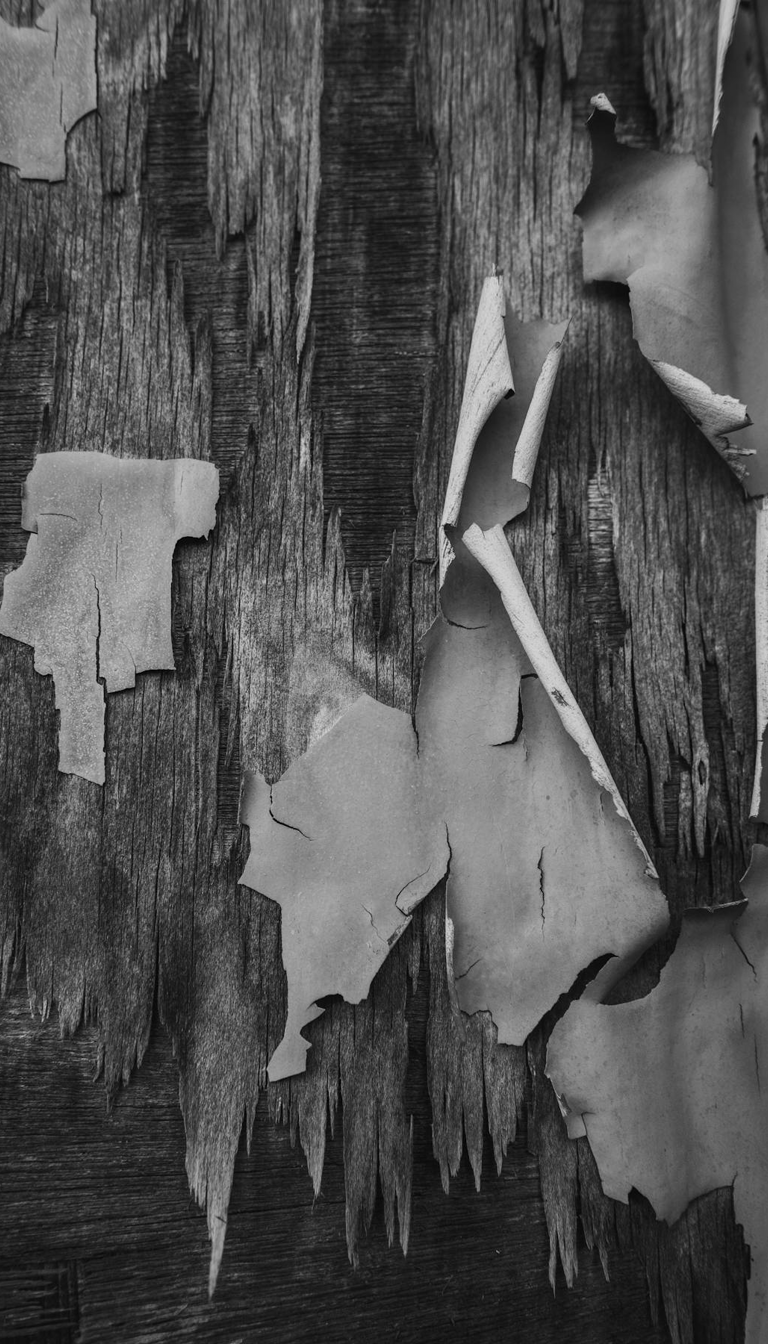
Paint covered everything. Layer after layer. White over cream over green over brown over whatever the original color was. The baseboard held forty years of paint and the paint held the baseboard together. If you stripped the paint the wood underneath was soft in places. The paint was the preservation. The paint was the armor. The baseboard was the knight and the paint was the shield.
They put in vinyl baseboard now. A rubber strip glued to the wall. The vinyl baseboard does not chip. The vinyl baseboard does not hold paint. The vinyl baseboard does not have a profile. It has a curve and that is all. The vinyl baseboard is faster to install and cheaper to replace and it will never be the autobiography of anything. Nobody will read the vinyl baseboard in a hundred years and know who lived here.
See also: Parlor Floor, Plaster Wall