 JOHN SINCLAIR
BARBERSHOP
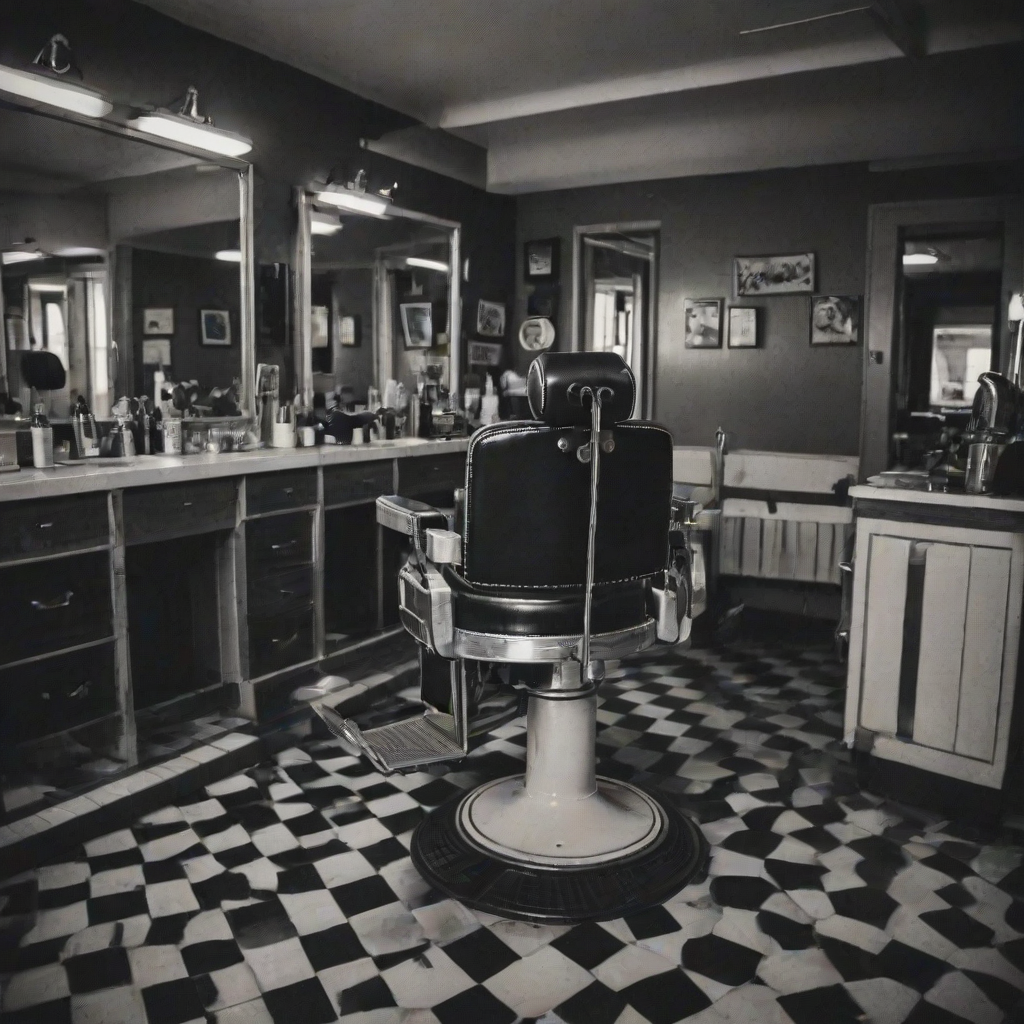
You sit in the barbershop chair and the barber knows everything. The barber knows who is getting divorced and who got the job and who lost the job and whose kid got into college and whose kid got into trouble. The barber knows because the barber listens and the barber listens because the chair is a confessional and the haircut is the ritual and the ritual makes people talk. You do not go to the barbershop just for the haircut. You go for the twenty minutes in the chair when someone is paying attention to you and only you and the attention loosens your tongue and the tongue tells the truth because the barber has heard everything and the barber does not judge.
The barbershop in Black America has been the newsroom and the town hall and the therapy office since Reconstruction. When the newspapers would not print your news the barbershop printed it by mouth. When the town hall would not let you in the barbershop became the town hall. When the therapy office cost money you did not have the barbershop charged you for a haircut and gave you the session for free. Alonzo Herndon was born into slavery in Georgia and opened a barbershop in Atlanta in eighteen seventy eight and the barbershop became the foundation of a fortune and the fortune built Atlanta Life Insurance and the insurance company insured Black lives when no other company would. The barbershop was the first Black-owned business on the block because the barbershop required a chair and a pair of scissors and skill and skill does not require capital.
Malcolm X worked at a barbershop in Roxbury Massachusetts before he became Malcolm X. He was Malcolm Little then and he conked hair with lye and the lye burned and the burning was the price of looking like something you were not. Years later Malcolm said the conk was his first act of self-degradation and the barbershop was where he learned what assimilation costs. The barbershop taught him both things. The barbershop taught him to change his appearance and the barbershop taught him to question why he wanted to. The barbershop is honest like that. The barbershop shows you what you look like and the mirror does not lie and sometimes what you see in the mirror after the haircut is not what you expected and that is when the barbershop becomes something more than a place that cuts hair.
In Seville Spain the barber was also the surgeon. The barber pulled teeth and set bones and cut hair and shaved faces and the red and white pole outside the barbershop represents the blood and the bandages. The barber was the most trusted man on the street because the barber held the blade and the blade could heal or harm and the barber chose to heal. The trust required to sit in the barber's chair is ancient. You tilt your head back and close your eyes and someone puts a straight razor against your neck and you do not flinch because you trust the hand and the hand has done this ten thousand times and the ten thousand times is the credential.
You leave the barbershop and you look different and the looking different changes how you walk. The haircut is not just a haircut. The haircut is a reset. The haircut says today is different from yesterday. The haircut says I am starting something. The barbershop knows this. The barbershop has watched people walk in slouching and walk out straight. The barbershop has watched people walk in crying and walk out laughing. The barbershop is the smallest theater in the city because the barbershop transforms the person in the chair and the transformation takes twenty minutes and costs fifteen dollars and the audience is everyone else waiting their turn and the audience watches and waits and knows that their turn is coming.