 JOHN SINCLAIR
BACK ALLEY
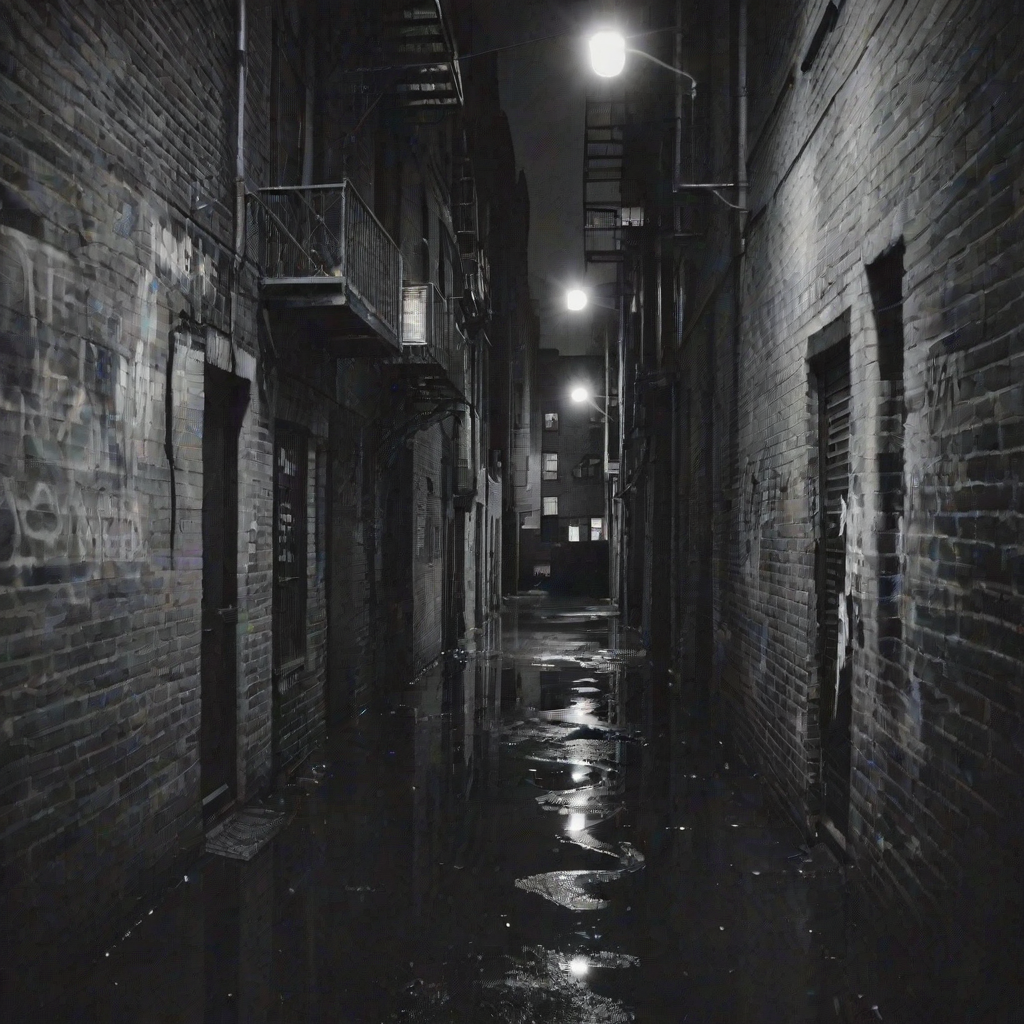
You learn more in the back alley than you learn on the main stage. The back alley is where the musicians go after the show to smoke and talk about what went wrong and what went right and whether the drummer was rushing the bridge. The back alley is where the real conversation happens because the audience is gone and the lights are off and nobody is performing anymore. The alley does not applaud. The alley listens.
Charlie Parker used to stand in the alley behind the Reno Club in Kansas City when he was fifteen years old and listen to the band through the back door. He was too young to go inside. He stood in the dark with his saxophone and listened to Lester Young and Count Basie and he memorized every solo he heard through that door. When Parker finally got on stage he played like a man who had been listening from the outside for years. The alley was the conservatory. The back door was the classroom. The greatest alto saxophone player in the history of jazz got his education standing in garbage next to a dumpster.
Graffiti writers tagged the alleys because the alleys were the only gallery that would show their work. The subway cars got famous but the alleys came first. TAKI 183 started on walls and fences and alley doors in Washington Heights before he ever touched a train. The alleys were the rehearsal space for an art form that the city called vandalism and the museums now call contemporary art. A painting in a gallery costs money to see. A painting in an alley is free and it belongs to whoever walks past it. The alley does not charge admission. The alley does not curate. The alley takes whatever you give it and holds it until the rain washes it away or somebody paints over it or the building comes down.
In Detroit the alleys between the houses were where the neighborhood lived. The front yard was for the landlord. The back alley was for the people. Kids played in the alleys. Deals were made in the alleys. Music came out of open windows into the alleys and the alleys mixed it all together. Motown was a front porch operation but the blues was a back alley operation and Detroit had both. Berry Gordy put a sign on the front of the building that said Hitsville USA but the musicians came in through the back and the back is where the magic happened. Studio A at Hitsville was a converted garage and a garage is just a back alley with a roof.
You walk down the back alley and nobody knows your name. The alley does not care who you are. The alley does not care if you are famous or broke or lost or looking for something you cannot name. The alley is the most democratic space in the city because the alley belongs to no one and therefore belongs to everyone. The front of the building is for business. The back of the building is for truth. Every city has a front and a back and the back is where you find out what the city actually thinks about itself.