 DAVID PEEL
Ashlar
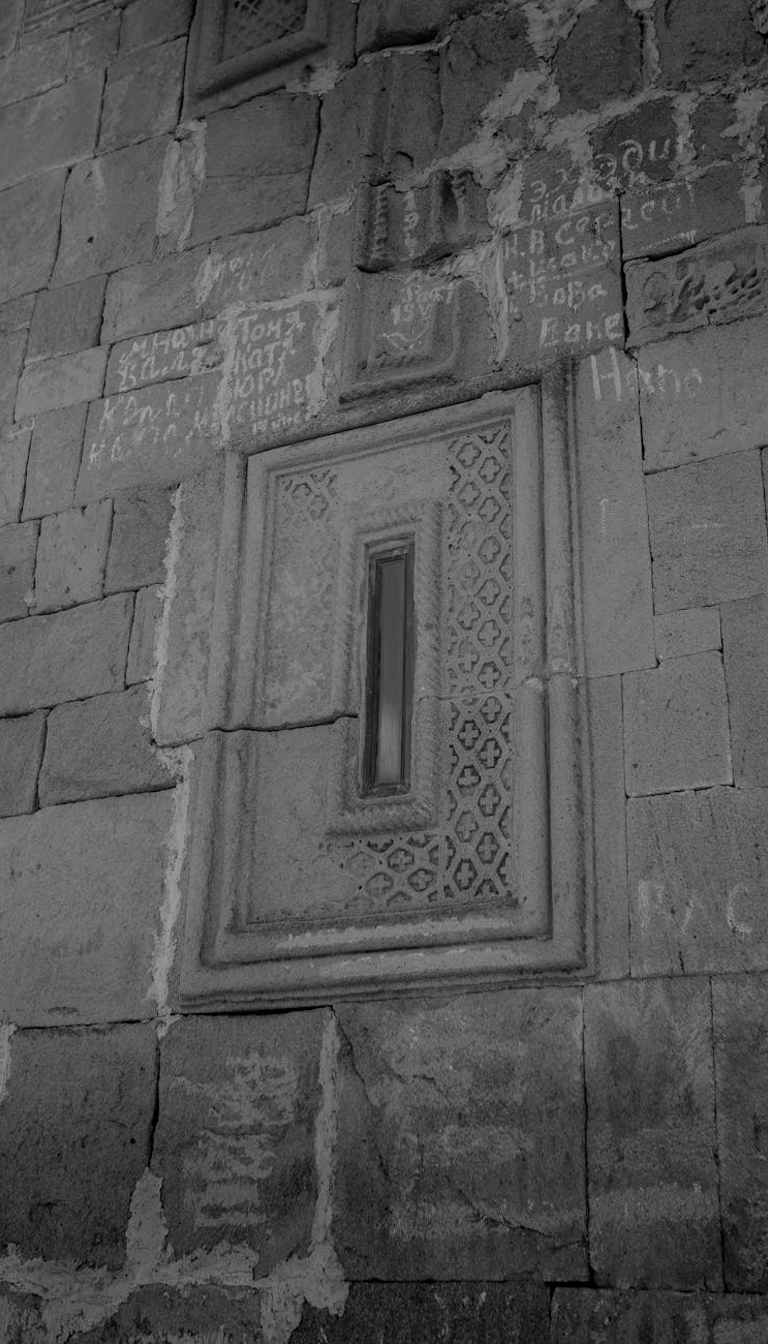
The ashlar was a stone cut square. A block of limestone or granite or sandstone dressed flat on every face and laid in courses with thin mortar joints. The ashlar wall was the opposite of the rubble wall. The rubble wall used whatever stones you found. The ashlar wall used stones you shaped. The rubble wall was folk music. The ashlar wall was a symphony. Both were stone. One was arranged.
The ashlar was expensive. Every face had to be cut flat and every edge had to be cut square and the cutting took time and time cost money. A rubble wall went up in a week. An ashlar wall went up in a month. The month was the price of the geometry. The geometry was the price of the elegance. The elegance was the price of the statement. The statement was I can afford to wait for the mason to cut the stone square. The concrete block looks square from the factory. The factory did not wait for anything.
The ashlar had a face. The face was the surface you saw from the street. The face could be smooth or rusticated or tooled or rock-faced. Smooth said bank. Rusticated said fortress. Tooled said courthouse. Rock-faced said church. Every finish was a sentence and every sentence told you what the building thought of itself. The smooth concrete panel says nothing about itself. The smooth concrete panel says factory.
The ashlar was bonded. Every course was offset from the course below so the joints never lined up. The offset was the bond and the bond was the strength. If the joints lined up the wall would crack along the line of joints like tearing paper along a fold. The mason staggered the joints and the stagger made the wall act as one piece instead of a stack of pieces. The bond was the mason's argument against gravity. Gravity pulls down. The bond pushes sideways. The bond wins.
Nobody cuts ashlar anymore. The stone facade on the modern building is a veneer. An inch of stone glued to a concrete wall. The veneer looks like ashlar but the veneer is not ashlar. The ashlar was the structure. The veneer is a photograph of the structure. A photograph of a wall does not hold anything up. The veneer says I look like stone. The ashlar said I am stone. The difference is the difference between being something and looking like something. The building used to be. The building now looks like.