 JOHN SINCLAIR
ANVIL
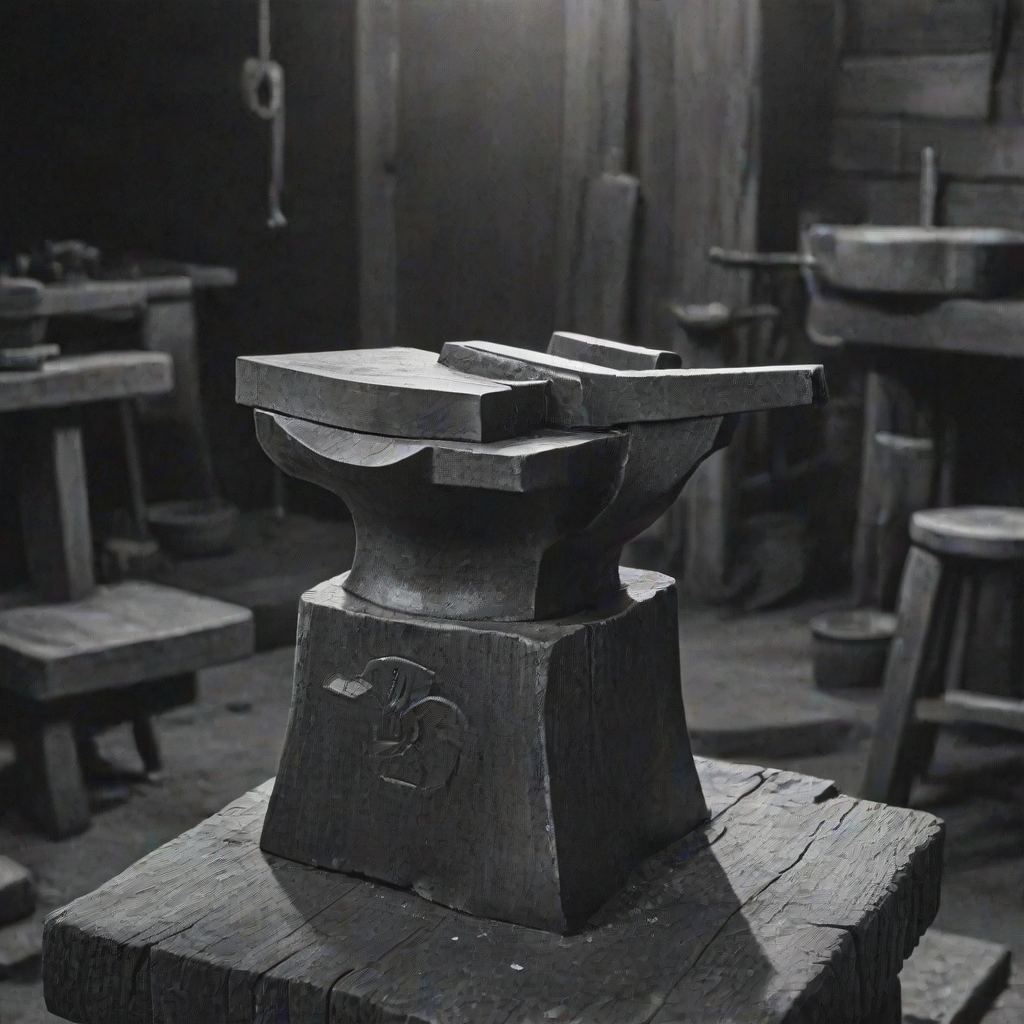
You hear the anvil before you see the smithy and the hearing is the ring that carries for a quarter mile. The anvil rings because the anvil is steel and the steel vibrates when struck and the vibrating when struck is the physics and the physics is the sound and the sound is the oldest industrial music on earth. The anvil sits on a stump. The stump is oak or elm and the oak or elm absorbs the shock that would crack a stone floor. The anvil weighs between a hundred and five hundred pounds and the weighing between a hundred and five hundred pounds means the anvil does not move when the hammer falls. The hammer moves. The iron moves. The anvil stays. That is the relationship. The anvil is the immovable thing against which everything else is shaped.
The London anvil of eighteen hundred weighed five hundred pounds and the five hundred pounds was the mass that absorbed the force of ten thousand hammer blows a day. The face of the anvil was hardened steel and the hardened steel meant the face could take the blows without denting because a dented anvil transfers its dents to the work and the transferring dents to the work means a damaged anvil ruins everything it touches. The horn of the anvil was the curved end and the curved end was where the smith bent the iron into curves. The hardy hole was the square hole in the face and the square hole held the cutting tools and the bending tools and the swaging tools. The pritchel hole was the round hole and the round hole was where the smith punched holes through the iron. Every feature of the anvil had a purpose. Every square inch of the anvil's surface was a different tool. The anvil was not one tool. The anvil was a dozen tools cast into a single block.
The Peter Wright anvils of Dudley England were forged by a company that made eight hundred anvils a week for a hundred years. The company started in eighteen fifty two and the starting in eighteen fifty two meant Peter Wright anvils equipped the blacksmith shops that built the British Empire. The anvils were stamped PETER WRIGHT PATENT SOLID WROUGHT with an image of a man striking an anvil and the image of a man striking an anvil became the most recognized trademark in the smithing world. The Wright anvil had a wrought iron body with a tool steel face and the wrought iron body with a tool steel face was the innovation because the wrought iron absorbed the shock and the tool steel resisted the wear and the combination of absorbing shock and resisting wear meant the anvil lasted generations. Farmers in Iowa still use Peter Wright anvils that their grandfathers ordered from catalogs in nineteen hundred. The anvils outlasted the company. The company closed in nineteen oh two. The anvils are still ringing.
In colonial America the anvil was the center of the town. The blacksmith's anvil shod the horses and made the nails and forged the hinges and repaired the plows and the shoeing and making and forging and repairing meant every object in the colonial town passed through the blacksmith's hands and the blacksmith's hands worked on the anvil. The village smithy stood under the spreading chestnut tree and Longfellow wrote the poem in eighteen forty and the writing in eighteen forty was already nostalgia because the factory was replacing the forge. But the anvil survived the factory. The railroad needed anvils for repair shops. The cavalry needed anvils for field forges. The Army hauled anvils across the frontier on wagons and the hauling anvils on wagons meant the anvil was heavy enough to slow an army but too important to leave behind.
You stand before the anvil and the anvil is cold. The fire is out. The smith is gone. But the anvil is still here because the anvil is always still here. The anvil outlasts the smith and the shop and the town and the century. You tap the face with a hammer and the ring fills the room and the ring filling the room is the anvil answering. The anvil. The five hundred pounds. The ten thousand blows. The Peter Wright trademark. The colonial center. The ring that carries for a quarter mile. The surface where the raw iron meets the hammer and the meeting the hammer is the shaping and the shaping is the making and the making is the work. The anvil. You strike it. It rings. It does not move.